News / National
Chamisa vows to stop Mnangagwa
15 Dec 2025 at 08:48hrs |
0 Views
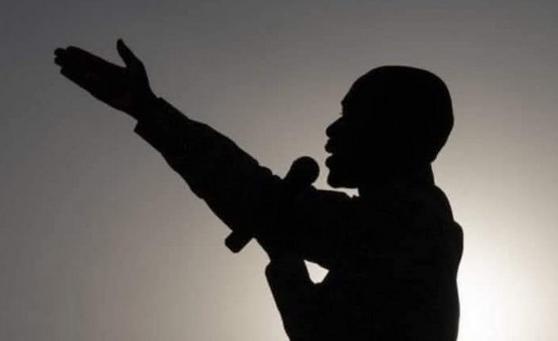
FORMER Citizens Coalition for Change (CCC) leader Nelson Chamisa has issued a sharp warning to Zanu-PF against any attempt to amend the Constitution to extend President Emmerson Mnangagwa's term of office, branding the move "reckless political theatre" that risks plunging the country into turmoil.
Zanu-PF adopted a resolution at its Annual National People's Conference in Bulawayo last year calling for Mnangagwa's incumbency to be extended to 2028. The proposal has since exposed deep fault lines within the ruling party, with senior members openly questioning its legality. Among them is former Zanu-PF central committee member Blessed Geza, who has argued that the resolution is unconstitutional and should be abandoned.
Geza was later expelled from the party after holding a series of press briefings in which he called for public demonstrations and demanded Mnangagwa's resignation. He maintained that any attempt to extend the President's term would violate the Constitution and provoke widespread resistance.
Speaking at the Zimbabwe Charity Dinner in Harare on Saturday night, Chamisa warned that the country could be brought to a standstill if Zanu-PF sought to bulldoze constitutional amendments to entrench Mnangagwa's rule.
"Next year is an extraordinary year. Hakudyiwi rinopisa. We will mobilise and organise ourselves. They can go to Parliament and fast-track the amendment, but it is nothing. People are the government. Don't play with the people. You can effect the amendment overnight but that's joking. This country belongs to the people," Chamisa said, drawing loud applause from the audience.
The opposition leader stressed that the Zanu-PF resolution was an internal party position with no authority beyond its own structures and could not be imposed on the nation without public consent. Any constitutional change affecting the entire country, he said, required the direct participation of citizens through a referendum.
"A resolution of an organisation cannot be a national resolution. Ndezvekumba kwenyu. You can do that at party level. At national level, we will all be involved and we must all have a say," Chamisa said.
He also dismissed claims that the opposition lacked the capacity to mobilise against the so-called 2030 agenda.
"Some may say, will you be able to do it? Yes, we can. We can bring this country to a standstill if we want at any time," he said.
Zimbabwe's 2013 Constitution places firm limits on presidential power. Section 91 restricts the President to two five-year terms, while Section 143 provides that the President's term is coterminous with the life of Parliament, meaning that any extension of presidential tenure would automatically affect the duration and legitimacy of Parliament itself.
Any such changes are governed by Section 328, which prescribes a rigorous amendment process. Amendments to entrenched provisions, including presidential term limits, require a two-thirds majority in Parliament and approval by a national referendum.
Constitutional lawyer and University of Zimbabwe lecturer Professor Lovemore Madhuku has repeatedly warned that extending Mnangagwa's term to 2028 is legally untenable. He argues that the Constitution would require two separate referendums for such a change, which cannot lawfully be conducted at the same time.
Supporters of term extension have cited Section 95(2)(b), which allows for a limited administrative extension of a President's tenure to prevent a temporary power vacuum between an election and the swearing-in of a successor. Legal experts, however, insist that this provision cannot be used to justify a substantive extension of a presidential term.
The proposed amendment has ignited a national debate. Mnangagwa has repeatedly stated that he will respect the Constitution and leave office when his term expires in 2028.
Even so, analysts caution against complacency, pointing to a pattern in which the President has previously signalled constitutional restraint before later shifting course. There are also reports that Zanu-PF intends to introduce the amendment Bill during the festive season, a period when public scrutiny is typically reduced as citizens focus on holidays rather than political developments.
Zanu-PF adopted a resolution at its Annual National People's Conference in Bulawayo last year calling for Mnangagwa's incumbency to be extended to 2028. The proposal has since exposed deep fault lines within the ruling party, with senior members openly questioning its legality. Among them is former Zanu-PF central committee member Blessed Geza, who has argued that the resolution is unconstitutional and should be abandoned.
Geza was later expelled from the party after holding a series of press briefings in which he called for public demonstrations and demanded Mnangagwa's resignation. He maintained that any attempt to extend the President's term would violate the Constitution and provoke widespread resistance.
Speaking at the Zimbabwe Charity Dinner in Harare on Saturday night, Chamisa warned that the country could be brought to a standstill if Zanu-PF sought to bulldoze constitutional amendments to entrench Mnangagwa's rule.
"Next year is an extraordinary year. Hakudyiwi rinopisa. We will mobilise and organise ourselves. They can go to Parliament and fast-track the amendment, but it is nothing. People are the government. Don't play with the people. You can effect the amendment overnight but that's joking. This country belongs to the people," Chamisa said, drawing loud applause from the audience.
The opposition leader stressed that the Zanu-PF resolution was an internal party position with no authority beyond its own structures and could not be imposed on the nation without public consent. Any constitutional change affecting the entire country, he said, required the direct participation of citizens through a referendum.
"A resolution of an organisation cannot be a national resolution. Ndezvekumba kwenyu. You can do that at party level. At national level, we will all be involved and we must all have a say," Chamisa said.
He also dismissed claims that the opposition lacked the capacity to mobilise against the so-called 2030 agenda.
"Some may say, will you be able to do it? Yes, we can. We can bring this country to a standstill if we want at any time," he said.
Zimbabwe's 2013 Constitution places firm limits on presidential power. Section 91 restricts the President to two five-year terms, while Section 143 provides that the President's term is coterminous with the life of Parliament, meaning that any extension of presidential tenure would automatically affect the duration and legitimacy of Parliament itself.
Any such changes are governed by Section 328, which prescribes a rigorous amendment process. Amendments to entrenched provisions, including presidential term limits, require a two-thirds majority in Parliament and approval by a national referendum.
Constitutional lawyer and University of Zimbabwe lecturer Professor Lovemore Madhuku has repeatedly warned that extending Mnangagwa's term to 2028 is legally untenable. He argues that the Constitution would require two separate referendums for such a change, which cannot lawfully be conducted at the same time.
Supporters of term extension have cited Section 95(2)(b), which allows for a limited administrative extension of a President's tenure to prevent a temporary power vacuum between an election and the swearing-in of a successor. Legal experts, however, insist that this provision cannot be used to justify a substantive extension of a presidential term.
The proposed amendment has ignited a national debate. Mnangagwa has repeatedly stated that he will respect the Constitution and leave office when his term expires in 2028.
Even so, analysts caution against complacency, pointing to a pattern in which the President has previously signalled constitutional restraint before later shifting course. There are also reports that Zanu-PF intends to introduce the amendment Bill during the festive season, a period when public scrutiny is typically reduced as citizens focus on holidays rather than political developments.
Source - newzimbabwe
Join the discussion
Loading comments…


