News / National
Mnangagwa life-presidency chief's troubles mount
18 Dec 2025 at 13:30hrs |
0 Views
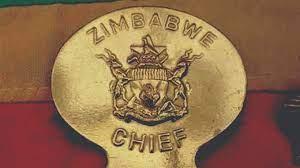
A legal challenge questioning the constitutionality of remarks made by a Chimanimani traditional leader who proposed life-presidency for President Emmerson Mnangagwa is set to be heard at the High Court.
The application was filed by Tafadzwa Pritchard Paradzayi, who accuses Chimanimani acting chief Tendai Saurombe of violating section 281 of the Constitution, which bars traditional leaders from engaging in partisan politics.
At the heart of the dispute is whether a traditional leader can publicly align himself with a political party without breaching the Constitution, which requires chiefs to remain politically neutral and to promote unity, dignity and impartiality within their communities.
According to court papers, Chief Saurombe allegedly made partisan remarks during a community drug abuse awareness event in Chimanimani, an occasion that was meant to be apolitical. In a video recording of the event, the chief is heard calling for Mnangagwa to be made a life president while chanting the ruling party slogan, "Pamberi neZanu-PF".
Paradzayi, represented by Obey Shava of the Zimbabwe Lawyers for Human Rights (ZLHR), initially gave the chief a 10-day ultimatum to retract the remarks and issue a public apology. A formal letter dated September 5, 2025, was served at the chief's homestead, warning that failure to comply would result in legal action.
After the chief allegedly failed to retract the statements or apologise, Paradzayi approached the High Court.
In his founding affidavit, Paradzayi argues that Chief Saurombe acted in a partisan manner by furthering the interests of Zanu-PF, thereby undermining the constitutional requirement that traditional leaders remain neutral. He contends that such conduct threatens democratic integrity and erodes public confidence in traditional institutions.
Chief Saurombe has opposed the application, describing it as malicious, politically motivated and aimed at destabilising his community. He has challenged Paradzayi's legal standing, arguing that the applicant is neither a resident nor a subject under his chieftaincy and therefore lacks the right to bring the matter before the court.
The chief has also disputed the admissibility of the video evidence, claiming it is based on an unauthenticated URL link and does not meet the legal threshold required for electronic evidence.
Paradzayi has strongly rebutted these claims, describing them as speculative and legally unsustainable. In his answering affidavit, he states that he is acting in his personal capacity as a citizen seeking to uphold constitutional values, not as a political actor.
He argues that constitutional violations by public office holders affect all citizens and are a legitimate subject of public interest litigation, regardless of the applicant's place of residence. On the issue of evidence, Paradzayi insists the video footage is authentic and will be properly verified during the proceedings, noting that courts routinely admit and assess electronic evidence.
The application also cites a recent High Court judgment involving Chief Seke, Stanley Chimanikire (Case No HCH 3233/24), in which the court ruled that chanting political slogans and making partisan remarks amounted to unconstitutional conduct. In that matter, the chief was ordered to retract his statements and publish a public apology. Paradzayi argues that the facts in the Saurombe case are similar and should be decided consistently.
The National Council of Chiefs and Local Government, Public Works and National Housing Minister Daniel Garwe, who are cited as respondents, have been served with court papers.
Human rights activists and legal experts have criticised Chief Saurombe's remarks, saying they violate the Constitution. A Harare-based lawyer described the comments as "plainly unconstitutional" and warned that allowing traditional leaders to openly campaign for political parties undermines democracy and risks dividing communities.
The High Court is expected to determine whether Chief Saurombe's conduct breached the Constitution and to clarify the limits of traditional authority in political matters. The case has renewed focus on the constitutional obligations of traditional leaders to remain politically neutral.
The legal challenge comes amid heightened controversy following a Zanu-PF resolution to initiate processes to extend Mnangagwa's term of office beyond 2028, when it constitutionally expires, to 2030.
The application was filed by Tafadzwa Pritchard Paradzayi, who accuses Chimanimani acting chief Tendai Saurombe of violating section 281 of the Constitution, which bars traditional leaders from engaging in partisan politics.
At the heart of the dispute is whether a traditional leader can publicly align himself with a political party without breaching the Constitution, which requires chiefs to remain politically neutral and to promote unity, dignity and impartiality within their communities.
According to court papers, Chief Saurombe allegedly made partisan remarks during a community drug abuse awareness event in Chimanimani, an occasion that was meant to be apolitical. In a video recording of the event, the chief is heard calling for Mnangagwa to be made a life president while chanting the ruling party slogan, "Pamberi neZanu-PF".
Paradzayi, represented by Obey Shava of the Zimbabwe Lawyers for Human Rights (ZLHR), initially gave the chief a 10-day ultimatum to retract the remarks and issue a public apology. A formal letter dated September 5, 2025, was served at the chief's homestead, warning that failure to comply would result in legal action.
After the chief allegedly failed to retract the statements or apologise, Paradzayi approached the High Court.
In his founding affidavit, Paradzayi argues that Chief Saurombe acted in a partisan manner by furthering the interests of Zanu-PF, thereby undermining the constitutional requirement that traditional leaders remain neutral. He contends that such conduct threatens democratic integrity and erodes public confidence in traditional institutions.
Chief Saurombe has opposed the application, describing it as malicious, politically motivated and aimed at destabilising his community. He has challenged Paradzayi's legal standing, arguing that the applicant is neither a resident nor a subject under his chieftaincy and therefore lacks the right to bring the matter before the court.
Paradzayi has strongly rebutted these claims, describing them as speculative and legally unsustainable. In his answering affidavit, he states that he is acting in his personal capacity as a citizen seeking to uphold constitutional values, not as a political actor.
He argues that constitutional violations by public office holders affect all citizens and are a legitimate subject of public interest litigation, regardless of the applicant's place of residence. On the issue of evidence, Paradzayi insists the video footage is authentic and will be properly verified during the proceedings, noting that courts routinely admit and assess electronic evidence.
The application also cites a recent High Court judgment involving Chief Seke, Stanley Chimanikire (Case No HCH 3233/24), in which the court ruled that chanting political slogans and making partisan remarks amounted to unconstitutional conduct. In that matter, the chief was ordered to retract his statements and publish a public apology. Paradzayi argues that the facts in the Saurombe case are similar and should be decided consistently.
The National Council of Chiefs and Local Government, Public Works and National Housing Minister Daniel Garwe, who are cited as respondents, have been served with court papers.
Human rights activists and legal experts have criticised Chief Saurombe's remarks, saying they violate the Constitution. A Harare-based lawyer described the comments as "plainly unconstitutional" and warned that allowing traditional leaders to openly campaign for political parties undermines democracy and risks dividing communities.
The High Court is expected to determine whether Chief Saurombe's conduct breached the Constitution and to clarify the limits of traditional authority in political matters. The case has renewed focus on the constitutional obligations of traditional leaders to remain politically neutral.
The legal challenge comes amid heightened controversy following a Zanu-PF resolution to initiate processes to extend Mnangagwa's term of office beyond 2028, when it constitutionally expires, to 2030.
Source - newsday
Join the discussion
Loading comments…


