News / National
Ama 2K prefer having HIV to being pregnant
19 Dec 2025 at 07:08hrs |
1361 Views
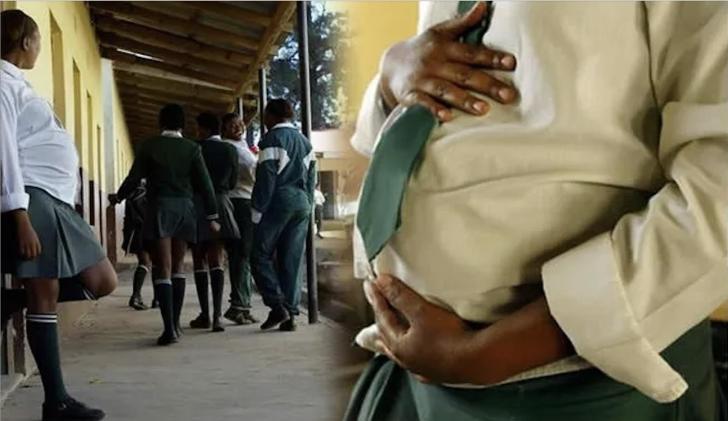
Ama 2K will never cease to amaze!
A recent street survey by B-Metro in Bulawayo has revealed startling perspectives among teenage girls on the relative burdens of HIV and pregnancy, sparking debate among educators, health professionals, and parents.
The survey asked 20 teenage girls: "Which would you rather have, HIV or pregnancy?" Eleven girls (55 percent) chose HIV, six (30 percent) preferred pregnancy, and three (15 percent) declined to answer.
The reasoning behind their choices reflects the unique outlook of Generation Z, often called Zoomers, iGeneration, Centennials, or Digital Natives. Those who preferred HIV cited privacy and manageability. "HIV is private. No one needs to know. I can take my medication in secret, but if I fall pregnant, everyone will know I was careless," one teen said. Others noted that babies are expensive and pregnancy brings visible social consequences.
Those favoring pregnancy emphasized long-term benefits and social security. "I choose pregnancy because a child is a blessing. I will have my own Barbie Doll to mould into my image, and it means my man will never leave me," said one respondent. Another noted that pregnancy ends in nine months, whereas HIV requires lifelong treatment.
A psychiatrist, speaking off the record, said the responses, though shocking to older generations, are consistent with today's teens. "Gen Z sees HIV as manageable, treatable, and increasingly private. Pregnancy is immediate, visible, and socially punishing. Teens are not wishing for HIV—they fear public shame, economic hardship, and losing control of their futures," the expert explained.
Respected gynaecologist Professor Solwayo Ngwenya warned that the survey underscores the need for stronger cultural and government guidance. "Teenagers must focus on school and avoid HIV. Medically, we promote protected sex. Culturally, sex is for marriage after lobola. Children must be protected to remain healthy and productive," he said.
Veteran teacher Thabani Tshuma said Gen Z's attitudes toward sex are concerning. "They are carefree about unprotected sex. They fear pregnancy more than an incurable disease. This mindset is dangerous and needs urgent attention," he noted.
Similarly, Thokozile Dlodlo of the Emganwini Church of the Nazarene highlighted the socio-economic weight of early parenthood. "ART and U=U campaigns have reduced the stigma of HIV, while early motherhood carries a social and financial penalty. Teens value autonomy and economic mobility above all," she said, calling for spiritual guidance alongside health education.
The survey paints a picture of a generation navigating modern medicine, cultural expectations, and economic pressures. Visible consequences like pregnancy are viewed as more immediate and disruptive than manageable but life-long conditions such as HIV.
As one teen summed it up during the vox-pop: "Most teenagers choose pregnancy without overthinking it. But many here in Bulawayo would rather take HIV than deal with a child."
The findings highlight the urgent need for comprehensive sexual health education, stronger parental and cultural guidance, and policies that address the unique challenges facing Zimbabwe's Generation Z.
A recent street survey by B-Metro in Bulawayo has revealed startling perspectives among teenage girls on the relative burdens of HIV and pregnancy, sparking debate among educators, health professionals, and parents.
The survey asked 20 teenage girls: "Which would you rather have, HIV or pregnancy?" Eleven girls (55 percent) chose HIV, six (30 percent) preferred pregnancy, and three (15 percent) declined to answer.
The reasoning behind their choices reflects the unique outlook of Generation Z, often called Zoomers, iGeneration, Centennials, or Digital Natives. Those who preferred HIV cited privacy and manageability. "HIV is private. No one needs to know. I can take my medication in secret, but if I fall pregnant, everyone will know I was careless," one teen said. Others noted that babies are expensive and pregnancy brings visible social consequences.
Those favoring pregnancy emphasized long-term benefits and social security. "I choose pregnancy because a child is a blessing. I will have my own Barbie Doll to mould into my image, and it means my man will never leave me," said one respondent. Another noted that pregnancy ends in nine months, whereas HIV requires lifelong treatment.
A psychiatrist, speaking off the record, said the responses, though shocking to older generations, are consistent with today's teens. "Gen Z sees HIV as manageable, treatable, and increasingly private. Pregnancy is immediate, visible, and socially punishing. Teens are not wishing for HIV—they fear public shame, economic hardship, and losing control of their futures," the expert explained.
Respected gynaecologist Professor Solwayo Ngwenya warned that the survey underscores the need for stronger cultural and government guidance. "Teenagers must focus on school and avoid HIV. Medically, we promote protected sex. Culturally, sex is for marriage after lobola. Children must be protected to remain healthy and productive," he said.
Veteran teacher Thabani Tshuma said Gen Z's attitudes toward sex are concerning. "They are carefree about unprotected sex. They fear pregnancy more than an incurable disease. This mindset is dangerous and needs urgent attention," he noted.
Similarly, Thokozile Dlodlo of the Emganwini Church of the Nazarene highlighted the socio-economic weight of early parenthood. "ART and U=U campaigns have reduced the stigma of HIV, while early motherhood carries a social and financial penalty. Teens value autonomy and economic mobility above all," she said, calling for spiritual guidance alongside health education.
The survey paints a picture of a generation navigating modern medicine, cultural expectations, and economic pressures. Visible consequences like pregnancy are viewed as more immediate and disruptive than manageable but life-long conditions such as HIV.
As one teen summed it up during the vox-pop: "Most teenagers choose pregnancy without overthinking it. But many here in Bulawayo would rather take HIV than deal with a child."
The findings highlight the urgent need for comprehensive sexual health education, stronger parental and cultural guidance, and policies that address the unique challenges facing Zimbabwe's Generation Z.
Source - BMetro
Join the discussion
Loading comments…





