News / National
Devine Lunga and Marvelous Nakamba not sellouts: MRP defends them
10 Jan 2026 at 19:33hrs |
0 Views
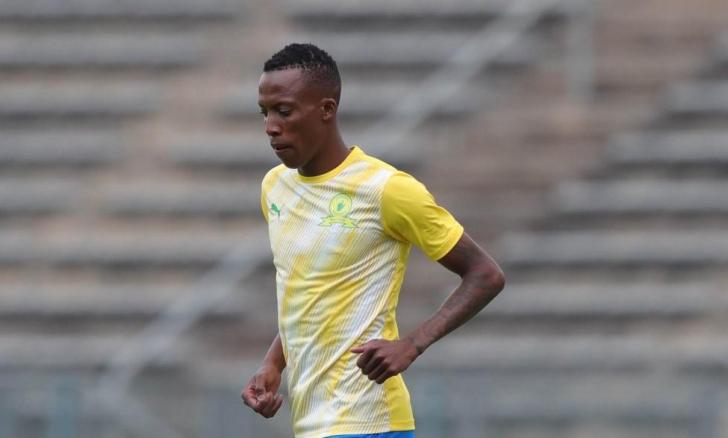
The Mthwakazi Republic Party (MRP) has come out strongly in defence of Warriors players Devine Lunga and Marvelous Nakamba, who were accused by some fans of "selling out" Zimbabwe's Africa Cup of Nations match against South Africa in Morocco.
The Warriors were eliminated from the tournament after a 3–2 defeat to Bafana Bafana, prompting a wave of online accusations targeting the two players. MRP leader Mqondisi Moyo condemned the attacks, saying the allegations were baseless and fuelled by tribal hostility.
"Football is one of the few spaces that can unite people across ethnicity, language, and political beliefs. It is deeply troubling when the outcome of a single match is exploited to advance tribal hostility, historical distortion, and political provocation," Moyo said.
He said Zimbabwe's loss was an ordinary football result shaped by tactics, brilliance and human error, not tribal loyalties. He criticised the singling out of Lunga and Nakamba, both of Ndebele origin, who were branded "sell-outs" and even compared to King Lobengula.
"This is unjust, reckless, and historically dishonest. Players may make decisions on the pitch that others disagree with, but that does not make them sell-outs. Every match contains moments of misjudgement across all teams and all ethnicities," he said.
Moyo said no evidence had been presented to suggest the players deliberately threw the match. "Until lawful football authorities conclude otherwise, they remain innocent professionals who represent their country. They do not deserve abuse, ethnic profiling, or historical demonisation."
He warned that inflammatory tribal language can trigger confrontation and violence, noting that violence often begins with dehumanising speech. He said the attacks on the players were worsened by the revival of a colonial myth that King Lobengula "sold out" his people.
"King Lobengula did not sell the Ndebele nation. Colonial agreements were extracted through deception and misrepresentation. The ‘sell-out' narrative was crafted to justify conquest and land theft," he said.
Moyo said invoking this myth in the context of a football match was an insult to African resistance history. He urged honest, evidence‑based historical accountability, noting that betrayals during colonial conquest and later political compromises were leadership decisions, not reflections of ethnic identity.
He said Matabeleland and Mashonaland were forcibly amalgamated without consent, and unresolved historical grievances continue to surface in everyday spaces, including sport. When political issues remain unresolved, he said, football becomes a symbolic battleground for identity and dominance.
MRP reiterated its rejection of tribal hatred and said its call for the restoration of the Mthwakazi State was rooted in self‑determination and peaceful coexistence. Moyo said in a restored Mthwakazi, sport would not be tribalised, athletes would not be profiled, and history would not be weaponised.
"Devine Lunga and Marvelous Nakamba are footballers — not symbols of tribal betrayal. King Lobengula was not a sell-out - but a victim of imperial deception. Football must never be turned into a tribunal for unresolved political grievances," he said.
He warned that reckless speech, historical dishonesty and refusal to confront structural injustice risk turning a simple game into a spark for division - a danger Zimbabweans must avoid.
The Warriors were eliminated from the tournament after a 3–2 defeat to Bafana Bafana, prompting a wave of online accusations targeting the two players. MRP leader Mqondisi Moyo condemned the attacks, saying the allegations were baseless and fuelled by tribal hostility.
"Football is one of the few spaces that can unite people across ethnicity, language, and political beliefs. It is deeply troubling when the outcome of a single match is exploited to advance tribal hostility, historical distortion, and political provocation," Moyo said.
He said Zimbabwe's loss was an ordinary football result shaped by tactics, brilliance and human error, not tribal loyalties. He criticised the singling out of Lunga and Nakamba, both of Ndebele origin, who were branded "sell-outs" and even compared to King Lobengula.
"This is unjust, reckless, and historically dishonest. Players may make decisions on the pitch that others disagree with, but that does not make them sell-outs. Every match contains moments of misjudgement across all teams and all ethnicities," he said.
Moyo said no evidence had been presented to suggest the players deliberately threw the match. "Until lawful football authorities conclude otherwise, they remain innocent professionals who represent their country. They do not deserve abuse, ethnic profiling, or historical demonisation."
"King Lobengula did not sell the Ndebele nation. Colonial agreements were extracted through deception and misrepresentation. The ‘sell-out' narrative was crafted to justify conquest and land theft," he said.
Moyo said invoking this myth in the context of a football match was an insult to African resistance history. He urged honest, evidence‑based historical accountability, noting that betrayals during colonial conquest and later political compromises were leadership decisions, not reflections of ethnic identity.
He said Matabeleland and Mashonaland were forcibly amalgamated without consent, and unresolved historical grievances continue to surface in everyday spaces, including sport. When political issues remain unresolved, he said, football becomes a symbolic battleground for identity and dominance.
MRP reiterated its rejection of tribal hatred and said its call for the restoration of the Mthwakazi State was rooted in self‑determination and peaceful coexistence. Moyo said in a restored Mthwakazi, sport would not be tribalised, athletes would not be profiled, and history would not be weaponised.
"Devine Lunga and Marvelous Nakamba are footballers — not symbols of tribal betrayal. King Lobengula was not a sell-out - but a victim of imperial deception. Football must never be turned into a tribunal for unresolved political grievances," he said.
He warned that reckless speech, historical dishonesty and refusal to confront structural injustice risk turning a simple game into a spark for division - a danger Zimbabweans must avoid.
Source - Byo24News
Join the discussion
Loading comments…





