News / National
Private schools licensing procedure in Zimbabwe
13 Jan 2026 at 21:01hrs |
0 Views
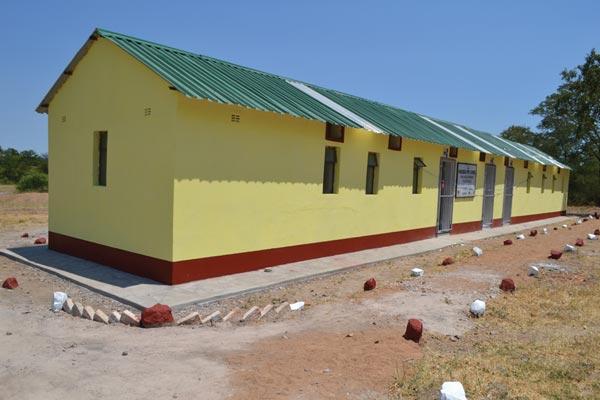
Schools across Zimbabwe officially opened for the 2026 first term on Tuesday, with the usual back-to-school activities marking the start of the academic year. However, in Masvingo Province, Riverton Academy Murinye made headlines after Chief Murinye, whose jurisdiction covers the area, blocked access to the new boarding school. The chief argued that the school had been constructed without his consent, sparking a standoff between local traditional authorities and the institution.
Riverton Academy Murinye is the latest school under the Riverton Academy banner, operated by prominent Masvingo businessman and educationist Philemon Mutangiri. The school is located on the Mutangiri family homestead in Machingura Village, within Murinye communal lands, approximately 65 kilometers southeast of Masvingo City. It opened its doors at the start of this year, welcoming students for the first term.
The incident has reignited public debate over the requirements for establishing a private school in Zimbabwe. According to the Ministry of Primary and Secondary Education (MoPSE), establishing a private school is a highly regulated process, requiring compliance with multiple stakeholders and statutory frameworks. The Education Act (Chapter 25:04) and the Education (Registered) Regulations provide the legal framework, while MoPSE works in coordination with local authorities and statutory inspectors to ensure full compliance.
Approval to establish and operate a private school depends on three main pillars: legal identity of the responsible authority, local authority and engineering compliance, and MoPSE registration through the ED1A process.
For the first pillar, the school must have a legally recognized responsible authority, which may take the form of a Private Limited Company, Trust, Association, or Non-Profit. The entity must register with ZIMRA for tax purposes, obtain a Tax Clearance Certificate, and provide governing documents such as a constitution or trust deed specifying education as a core objective, governance structures, and financial accountability.
The second pillar requires full local authority compliance. Land must be zoned for institutional or educational use, and if necessary, a rezoning or change of land use must be approved. The council must approve architectural and structural plans, ensuring compliance with building bylaws, classroom space, ventilation, lighting, ablution facilities, and fire safety requirements. Inspections by council engineers are conducted at multiple stages, from foundation to roof, and a certificate of occupation is mandatory before MoPSE can register the school.
The final pillar involves MoPSE registration through the ED1A process, which occurs in two phases. Phase A, the authority to establish, permits development but not operation, and requires submission of council-approved plans, feasibility assessments, and site clearance. Phase B, registration, occurs once construction is complete and includes verification of land ownership or lease, governing documents, qualified teaching staff, curriculum proposals, financial capacity, and readiness for instruction. Registration is initially provisional, valid for 12–24 months, and full registration is granted once all conditions are met. Teacher-pupil ratios, curriculum standards, and official school naming must comply with MoPSE regulations.
Rural schools, such as Riverton Academy Murinye, face additional requirements. These include staff accommodation, water security, minimum land sizes (12 hectares for primary, 24 hectares for secondary), specialized classrooms and laboratories, community consent, and certificates from local chiefs or headmen. Non-compliance in rural areas is a frequent cause of registration delays or rejections, as authorities assess the viability and sustainability of such schools.
The stand-off at Riverton Academy Murinye highlights the critical importance of obtaining both traditional authority consent and regulatory approval before establishing private educational institutions in Zimbabwe. With Chief Murinye blocking the road, the issue underscores the potential conflicts between communal land governance and the formal regulatory framework administered by MoPSE and local councils.
Riverton Academy Murinye is the latest school under the Riverton Academy banner, operated by prominent Masvingo businessman and educationist Philemon Mutangiri. The school is located on the Mutangiri family homestead in Machingura Village, within Murinye communal lands, approximately 65 kilometers southeast of Masvingo City. It opened its doors at the start of this year, welcoming students for the first term.
The incident has reignited public debate over the requirements for establishing a private school in Zimbabwe. According to the Ministry of Primary and Secondary Education (MoPSE), establishing a private school is a highly regulated process, requiring compliance with multiple stakeholders and statutory frameworks. The Education Act (Chapter 25:04) and the Education (Registered) Regulations provide the legal framework, while MoPSE works in coordination with local authorities and statutory inspectors to ensure full compliance.
Approval to establish and operate a private school depends on three main pillars: legal identity of the responsible authority, local authority and engineering compliance, and MoPSE registration through the ED1A process.
The second pillar requires full local authority compliance. Land must be zoned for institutional or educational use, and if necessary, a rezoning or change of land use must be approved. The council must approve architectural and structural plans, ensuring compliance with building bylaws, classroom space, ventilation, lighting, ablution facilities, and fire safety requirements. Inspections by council engineers are conducted at multiple stages, from foundation to roof, and a certificate of occupation is mandatory before MoPSE can register the school.
The final pillar involves MoPSE registration through the ED1A process, which occurs in two phases. Phase A, the authority to establish, permits development but not operation, and requires submission of council-approved plans, feasibility assessments, and site clearance. Phase B, registration, occurs once construction is complete and includes verification of land ownership or lease, governing documents, qualified teaching staff, curriculum proposals, financial capacity, and readiness for instruction. Registration is initially provisional, valid for 12–24 months, and full registration is granted once all conditions are met. Teacher-pupil ratios, curriculum standards, and official school naming must comply with MoPSE regulations.
Rural schools, such as Riverton Academy Murinye, face additional requirements. These include staff accommodation, water security, minimum land sizes (12 hectares for primary, 24 hectares for secondary), specialized classrooms and laboratories, community consent, and certificates from local chiefs or headmen. Non-compliance in rural areas is a frequent cause of registration delays or rejections, as authorities assess the viability and sustainability of such schools.
The stand-off at Riverton Academy Murinye highlights the critical importance of obtaining both traditional authority consent and regulatory approval before establishing private educational institutions in Zimbabwe. With Chief Murinye blocking the road, the issue underscores the potential conflicts between communal land governance and the formal regulatory framework administered by MoPSE and local councils.
Source - the herald
Join the discussion
Loading comments…


