News / National
Zimbabwe posts historic US$16bn foreign currency earnings
14 Jan 2026 at 08:00hrs |
0 Views
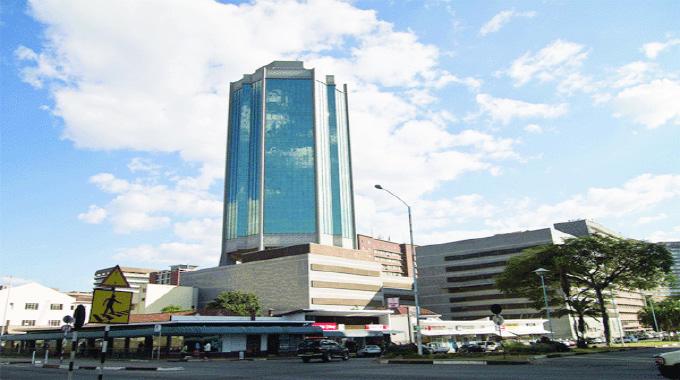
Zimbabwe recorded its highest-ever foreign currency earnings since independence after generating more than US$16 billion in 2025, a historic milestone that highlights the economy's growing resilience and export-led recovery under the Second Republic.
According to the Reserve Bank of Zimbabwe (RBZ), foreign currency receipts surged to US$16,2 billion in 2025, up from US$13,3 billion in 2024, representing a 21,8 percent increase and the highest level ever achieved by the country.
The record performance marks a near tripling of foreign currency earnings compared to 2017, when Zimbabwe earned about US$5,5 billion, underscoring the scale of growth achieved in recent years. In 2023, the country had generated approximately US$11 billion, reflecting a steady upward trajectory in forex inflows.
The RBZ said the strong performance reflects the success of Government's export-led growth strategy, macroeconomic stabilisation reforms, improved mineral and agricultural output, and rising diaspora remittances, all of which have strengthened Zimbabwe's foreign currency generation capacity.
In its quarterly snapshot on recent monetary, currency, price and financial developments, the central bank noted that export earnings dominated foreign currency inflows, accounting for an average 59,7 percent of total receipts in 2025. This was followed by loan proceeds at 14,8 percent and diaspora remittances at 13,5 percent.
"The resilience in the country's foreign currency generation capacity has seen a notable increase of 21,8 percent to US$16,2 billion recorded in 2025 from US$13,3 billion in 2024," the RBZ said.
Mining and agriculture drive growth
The surge in forex earnings was largely driven by strong export performance, particularly in mining and agriculture, which remain the backbone of Zimbabwe's external earnings.
Global gold prices, which climbed to record highs in 2025 amid geopolitical tensions and inflation concerns, played a major role in boosting export receipts. Gold remained the single largest contributor to foreign currency inflows, supported by increased deliveries from small-scale miners following Government's formalisation drive, improved access to finance and incentives under the gold mobilisation programme.
Prices for lithium, platinum and chrome are also expected to remain firm, driven by sustained demand from the electric vehicle and manufacturing industries.
Agriculture continued to play a critical role, with tobacco once again delivering strong export earnings after another successful selling season.
In recent years, Government has prioritised value addition, export diversification and targeted incentives for exporters, measures that have improved the ease of doing business, attracted fresh capital into mining and manufacturing, and positioned Zimbabwe to benefit from global demand for battery minerals and industrial metals.
Diaspora remittances and policy stability
Diaspora remittances have emerged as a key pillar of foreign currency inflows, accounting for an average 13,5 percent of total receipts in 2025. The RBZ attributed the growth to improved remittance channels, lower transaction costs and increased use of formal money transfer platforms.
Government engagement with the diaspora, combined with financial sector reforms and exchange rate stability, has encouraged more Zimbabweans abroad to remit funds through official channels, strengthening forex reserves and supporting household incomes.
RBZ Governor Dr John Mushayavanhu said the 2025 monetary policy framework had delivered measurable gains, particularly in inflation control and exchange rate stability.
"Sustaining this trajectory in 2026 will require continuing to walk the talk in prudent money supply management, foreign currency reserve accumulation and strong fiscal and monetary policy complementarity," he said.
By December 31, 2025, foreign currency reserves had risen to about US$1,2 billion, equivalent to one month of import cover. The reserves backing the local currency were about six times cover of ZiG reserve money and nearly double total ZiG deposits.
Exchange rate stability was maintained throughout 2025, with the interbank rate hovering around ZiG26 per US dollar, while the parallel market premium was contained below 20 percent for most of the year. ZiG annual inflation declined to 15 percent by end-2025, beating the 30 percent target, while month-on-month inflation averaged 0,4 percent between February and December.
Economic analyst Persistence Gwanyanya described the US$16 billion forex haul as historic.
"This is phenomenal. It is the highest figure we have ever recorded as a country since independence," he said.
"The foreign currency receipts speak of a pumping economy, a growing economy, and we have also seen tangible developments from these inflows."
The RBZ expects foreign currency earnings to remain strong in 2026, supported by firm global commodity prices, rising mineral output and continued growth in diaspora remittances.
According to the Reserve Bank of Zimbabwe (RBZ), foreign currency receipts surged to US$16,2 billion in 2025, up from US$13,3 billion in 2024, representing a 21,8 percent increase and the highest level ever achieved by the country.
The record performance marks a near tripling of foreign currency earnings compared to 2017, when Zimbabwe earned about US$5,5 billion, underscoring the scale of growth achieved in recent years. In 2023, the country had generated approximately US$11 billion, reflecting a steady upward trajectory in forex inflows.
The RBZ said the strong performance reflects the success of Government's export-led growth strategy, macroeconomic stabilisation reforms, improved mineral and agricultural output, and rising diaspora remittances, all of which have strengthened Zimbabwe's foreign currency generation capacity.
In its quarterly snapshot on recent monetary, currency, price and financial developments, the central bank noted that export earnings dominated foreign currency inflows, accounting for an average 59,7 percent of total receipts in 2025. This was followed by loan proceeds at 14,8 percent and diaspora remittances at 13,5 percent.
"The resilience in the country's foreign currency generation capacity has seen a notable increase of 21,8 percent to US$16,2 billion recorded in 2025 from US$13,3 billion in 2024," the RBZ said.
Mining and agriculture drive growth
The surge in forex earnings was largely driven by strong export performance, particularly in mining and agriculture, which remain the backbone of Zimbabwe's external earnings.
Global gold prices, which climbed to record highs in 2025 amid geopolitical tensions and inflation concerns, played a major role in boosting export receipts. Gold remained the single largest contributor to foreign currency inflows, supported by increased deliveries from small-scale miners following Government's formalisation drive, improved access to finance and incentives under the gold mobilisation programme.
Prices for lithium, platinum and chrome are also expected to remain firm, driven by sustained demand from the electric vehicle and manufacturing industries.
Agriculture continued to play a critical role, with tobacco once again delivering strong export earnings after another successful selling season.
In recent years, Government has prioritised value addition, export diversification and targeted incentives for exporters, measures that have improved the ease of doing business, attracted fresh capital into mining and manufacturing, and positioned Zimbabwe to benefit from global demand for battery minerals and industrial metals.
Diaspora remittances and policy stability
Diaspora remittances have emerged as a key pillar of foreign currency inflows, accounting for an average 13,5 percent of total receipts in 2025. The RBZ attributed the growth to improved remittance channels, lower transaction costs and increased use of formal money transfer platforms.
Government engagement with the diaspora, combined with financial sector reforms and exchange rate stability, has encouraged more Zimbabweans abroad to remit funds through official channels, strengthening forex reserves and supporting household incomes.
RBZ Governor Dr John Mushayavanhu said the 2025 monetary policy framework had delivered measurable gains, particularly in inflation control and exchange rate stability.
"Sustaining this trajectory in 2026 will require continuing to walk the talk in prudent money supply management, foreign currency reserve accumulation and strong fiscal and monetary policy complementarity," he said.
By December 31, 2025, foreign currency reserves had risen to about US$1,2 billion, equivalent to one month of import cover. The reserves backing the local currency were about six times cover of ZiG reserve money and nearly double total ZiG deposits.
Exchange rate stability was maintained throughout 2025, with the interbank rate hovering around ZiG26 per US dollar, while the parallel market premium was contained below 20 percent for most of the year. ZiG annual inflation declined to 15 percent by end-2025, beating the 30 percent target, while month-on-month inflation averaged 0,4 percent between February and December.
Economic analyst Persistence Gwanyanya described the US$16 billion forex haul as historic.
"This is phenomenal. It is the highest figure we have ever recorded as a country since independence," he said.
"The foreign currency receipts speak of a pumping economy, a growing economy, and we have also seen tangible developments from these inflows."
The RBZ expects foreign currency earnings to remain strong in 2026, supported by firm global commodity prices, rising mineral output and continued growth in diaspora remittances.
Source - The Herald
Join the discussion
Loading comments…


