News / National
Bulawayo unlocks prime land to attract investors
15 Jan 2026 at 09:16hrs |
947 Views
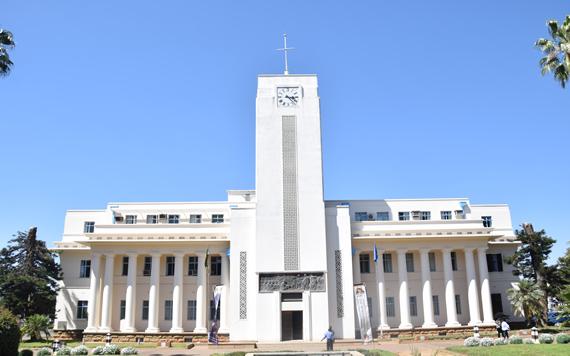
BULAWAYO City Council (BCC) has set aside a vast stretch of prime commercial land along the George Avenue Corridor in Suburbs, Selbourne Park and Barham Green as it moves to operationalise its Corridor Local Development Plan, a move expected to unlock fresh investment opportunities in the city.
The development follows the gazetting last year of Local Development Plan (LDP) No. 19, which provides for the transformation of traditionally low-density suburbs such as Suburbs, Kumalo and Parklands into mixed-use investment zones.
The shift reflects changing urban development trends, with several companies and organisations already relocating from the central business district (CBD) to these suburbs. Institutions such as World Vision, the Infrastructure Development Bank of Zimbabwe (IDBZ), non-governmental organisations and car dealerships are now operating from Suburbs and Kumalo.
In a notice issued yesterday, Bulawayo Town Clerk Mr Christopher Dube invited both local and international investors to take advantage of the newly unlocked opportunities.
"The City of Bulawayo is inviting high-value local and international investors to take advantage of investment opportunities that have been unlocked on the George Avenue Corridor and other areas in the city," said Mr Dube.
"High-value investors interested in the development of medical facilities, office parks, hotels, lodges, petroleum service stations and townhouses are encouraged to invest and contribute to the development of Bulawayo."
Most of the land earmarked for development is located along the George Avenue Corridor in Suburbs, with additional sites identified in Selbourne Park and Barham Green.
Mr Dube said interested investors are required to submit detailed proposals outlining the project concept, estimated investment value, implementation timelines, employment creation potential and proposed lease-rental or purchase prices.
"The investment opportunities fall under the City of Bulawayo's lease or rental with an option-to-buy arrangement," he said.
Prospective investors have until February 13 to submit their expressions of interest.
Proposed commercial and business uses include pharmacies, health and beauty shops, banks, car hire services, showrooms, cinemas, food courts and restaurants, homeware and interior design stores, indoor games facilities, medical suites and office parks. Specialised retail outlets may include boutiques, confectioneries, gift shops and jewellery stores.
Bulawayo Provincial Affairs and Devolution permanent secretary Mr Paul Nyoni welcomed the move, saying the operationalisation of local development plans was critical to unlocking investment.
"Following the approval of the Bulawayo Master Plan, it is important that more land opportunities be opened for development," he said. "The plan provides land for residential, office parks, hotels, lodges and medical facilities, which will unlock investment across these sectors."
Urban planning expert Dr Nicholas Muleya said the initiative would help decongest the CBD while revitalising underutilised land.
"This aligns with Bulawayo's Local Development Plan Number 19, which seeks to decongest the CBD by proposing office parks outside the city centre," he said. "Some of this land has remained idle for a long time, while some residential properties in the area have become dilapidated."
Dr Muleya added that redevelopment along George Avenue would enhance the city's image.
"This is a key corridor linking Bulawayo to South Africa and Harare, so redeveloping it will significantly spruce up the face of the city," he said.
Bulawayo businessman and former Zimbabwe National Chamber of Commerce (ZNCC) Matabeleland Chamber vice-president Mr Louis Herbst said the move signalled BCC's recognition of the need to unlock private capital and reposition the city for growth.
"As a businessman, I commend the City of Bulawayo for issuing a call for expressions of interest along the George Avenue corridor. It is an important signal that the city recognises the need to stimulate development and attract private investment," he said.
However, Mr Herbst warned that outdated regulatory frameworks could still deter investors.
"Many of the city's regulatory instruments and by-laws originate from the colonial era. Despite amendments, they are not designed for modern, technology-driven, high-density or mixed-use developments," he said, adding that slow approval processes and rigid planning interpretations increased costs and risks for investors.
While the challenges are not unique to Bulawayo, Mr Herbst said addressing them would be key to fully realising the investment potential of the George Avenue Corridor and other designated growth areas.
The development follows the gazetting last year of Local Development Plan (LDP) No. 19, which provides for the transformation of traditionally low-density suburbs such as Suburbs, Kumalo and Parklands into mixed-use investment zones.
The shift reflects changing urban development trends, with several companies and organisations already relocating from the central business district (CBD) to these suburbs. Institutions such as World Vision, the Infrastructure Development Bank of Zimbabwe (IDBZ), non-governmental organisations and car dealerships are now operating from Suburbs and Kumalo.
In a notice issued yesterday, Bulawayo Town Clerk Mr Christopher Dube invited both local and international investors to take advantage of the newly unlocked opportunities.
"The City of Bulawayo is inviting high-value local and international investors to take advantage of investment opportunities that have been unlocked on the George Avenue Corridor and other areas in the city," said Mr Dube.
"High-value investors interested in the development of medical facilities, office parks, hotels, lodges, petroleum service stations and townhouses are encouraged to invest and contribute to the development of Bulawayo."
Most of the land earmarked for development is located along the George Avenue Corridor in Suburbs, with additional sites identified in Selbourne Park and Barham Green.
Mr Dube said interested investors are required to submit detailed proposals outlining the project concept, estimated investment value, implementation timelines, employment creation potential and proposed lease-rental or purchase prices.
"The investment opportunities fall under the City of Bulawayo's lease or rental with an option-to-buy arrangement," he said.
Prospective investors have until February 13 to submit their expressions of interest.
Proposed commercial and business uses include pharmacies, health and beauty shops, banks, car hire services, showrooms, cinemas, food courts and restaurants, homeware and interior design stores, indoor games facilities, medical suites and office parks. Specialised retail outlets may include boutiques, confectioneries, gift shops and jewellery stores.
"Following the approval of the Bulawayo Master Plan, it is important that more land opportunities be opened for development," he said. "The plan provides land for residential, office parks, hotels, lodges and medical facilities, which will unlock investment across these sectors."
Urban planning expert Dr Nicholas Muleya said the initiative would help decongest the CBD while revitalising underutilised land.
"This aligns with Bulawayo's Local Development Plan Number 19, which seeks to decongest the CBD by proposing office parks outside the city centre," he said. "Some of this land has remained idle for a long time, while some residential properties in the area have become dilapidated."
Dr Muleya added that redevelopment along George Avenue would enhance the city's image.
"This is a key corridor linking Bulawayo to South Africa and Harare, so redeveloping it will significantly spruce up the face of the city," he said.
Bulawayo businessman and former Zimbabwe National Chamber of Commerce (ZNCC) Matabeleland Chamber vice-president Mr Louis Herbst said the move signalled BCC's recognition of the need to unlock private capital and reposition the city for growth.
"As a businessman, I commend the City of Bulawayo for issuing a call for expressions of interest along the George Avenue corridor. It is an important signal that the city recognises the need to stimulate development and attract private investment," he said.
However, Mr Herbst warned that outdated regulatory frameworks could still deter investors.
"Many of the city's regulatory instruments and by-laws originate from the colonial era. Despite amendments, they are not designed for modern, technology-driven, high-density or mixed-use developments," he said, adding that slow approval processes and rigid planning interpretations increased costs and risks for investors.
While the challenges are not unique to Bulawayo, Mr Herbst said addressing them would be key to fully realising the investment potential of the George Avenue Corridor and other designated growth areas.
Source - the chronicle
Join the discussion
Loading comments…





