News / National
Harare rains trigger transport chaos
15 Jan 2026 at 19:35hrs |
0 Views
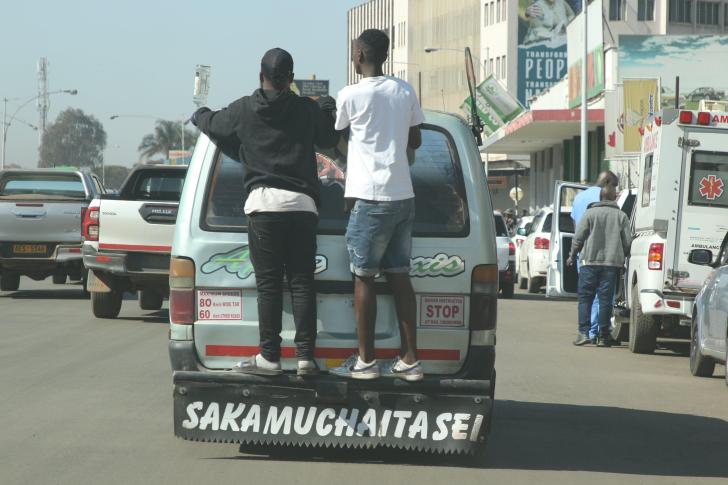
Heavy rainfall has disrupted public transport in Harare, leaving hundreds of commuters stranded and triggering sharp fare increases on some of the city's busiest routes.
Persistent downpours over the past few days have flooded major roads and transport hubs, slowing traffic and forcing commuter omnibuses, commonly known as kombis, to scale back services. The situation has resulted in long delays and overcrowding at key pick-up points across the capital.
At Market Square, one of Harare's main transport hubs, long queues were observed as passengers waited for hours to secure transport. Many commuters said they were left with little choice but to accept higher fares in order to get home.
Passengers travelling to high-density suburbs such as Glen View, Budiriro and Waterfalls reported that fares had increased from the usual US$1 to as much as US$1.50. Transport operators attributed the hikes to poor road conditions, longer travel times and increased vehicle wear and tear caused by flooded roads.
"This rain is making everything worse. We wait for a long time and still end up paying more," said commuter Tatenda Moyo, who was stranded at Market Square.
Passenger groups say the situation has once again exposed long-standing weaknesses in Harare's public transport system. The president of the Passengers Association of Zimbabwe (PAZ), Tafadzwa Goliathi, said many short-distance routes in the city do not have officially approved fare structures from the Ministry of Local Government and Public Works.
He added that some operators routinely ignore existing fare guidelines, particularly during the rainy season, leaving commuters vulnerable to arbitrary price increases.
Harare Residents Association director Ruben Akili said the city should be operating a mass public transport system to cushion residents during such disruptions.
"In a normal situation, the local authority should provide public transport, with commuter omnibuses playing a secondary, supportive role," Akili said. "Unfortunately, Harare does not have a council-run public transport system, even though this is provided for under the Urban Councils Act."
Akili also pointed to legal gaps in regulating fare increases, noting that local authorities have limited power to control kombi pricing.
"There are no clear provisions allowing the council to regulate fares. That responsibility lies with central government," he said.
As heavy rains continue, residents are calling on both local and central authorities to urgently repair damaged roads, enforce fare regulations and invest in a reliable and sustainable public transport system. For now, flooded streets, unregulated fare hikes and the absence of mass transit continue to leave many Harare commuters at the mercy of bad weather and non-compliant transport operators.
Persistent downpours over the past few days have flooded major roads and transport hubs, slowing traffic and forcing commuter omnibuses, commonly known as kombis, to scale back services. The situation has resulted in long delays and overcrowding at key pick-up points across the capital.
At Market Square, one of Harare's main transport hubs, long queues were observed as passengers waited for hours to secure transport. Many commuters said they were left with little choice but to accept higher fares in order to get home.
Passengers travelling to high-density suburbs such as Glen View, Budiriro and Waterfalls reported that fares had increased from the usual US$1 to as much as US$1.50. Transport operators attributed the hikes to poor road conditions, longer travel times and increased vehicle wear and tear caused by flooded roads.
"This rain is making everything worse. We wait for a long time and still end up paying more," said commuter Tatenda Moyo, who was stranded at Market Square.
Passenger groups say the situation has once again exposed long-standing weaknesses in Harare's public transport system. The president of the Passengers Association of Zimbabwe (PAZ), Tafadzwa Goliathi, said many short-distance routes in the city do not have officially approved fare structures from the Ministry of Local Government and Public Works.
Harare Residents Association director Ruben Akili said the city should be operating a mass public transport system to cushion residents during such disruptions.
"In a normal situation, the local authority should provide public transport, with commuter omnibuses playing a secondary, supportive role," Akili said. "Unfortunately, Harare does not have a council-run public transport system, even though this is provided for under the Urban Councils Act."
Akili also pointed to legal gaps in regulating fare increases, noting that local authorities have limited power to control kombi pricing.
"There are no clear provisions allowing the council to regulate fares. That responsibility lies with central government," he said.
As heavy rains continue, residents are calling on both local and central authorities to urgently repair damaged roads, enforce fare regulations and invest in a reliable and sustainable public transport system. For now, flooded streets, unregulated fare hikes and the absence of mass transit continue to leave many Harare commuters at the mercy of bad weather and non-compliant transport operators.
Source - The Herald
Join the discussion
Loading comments…




