News / National
ZAPU admits internal turmoil
16 Jan 2026 at 21:54hrs |
0 Views
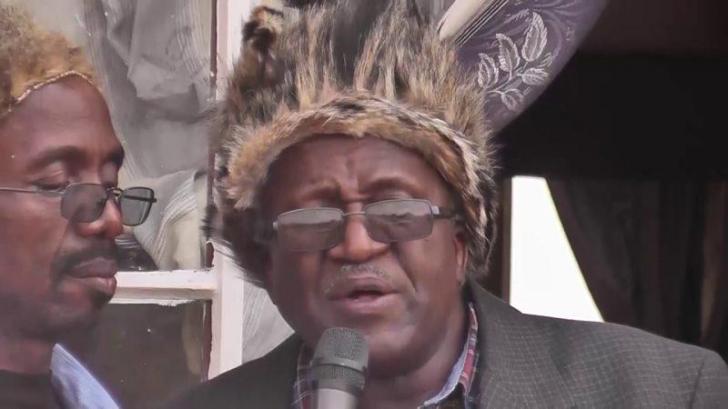
ZAPU president Sibangilizwe Nkomo has openly acknowledged growing turmoil within the opposition party he leads, warning of what he described as "negative and concerted efforts" from within its own ranks to undermine the party's stability and growth.
In an internal memo circulated on January 15, 2026, to senior party structures, Nkomo laid bare long-simmering internal tensions that have plagued ZAPU in recent years, as the party prepares for an elective congress expected later this year.
The developments within ZAPU mirror a broader pattern of instability across Zimbabwe's opposition landscape, where leadership disputes, factionalism and prolonged court battles have repeatedly weakened parties seeking to challenge the long-ruling Zanu-PF.
Addressed to members of ZAPU's National Council of Elders (NCoE), National People's Council (NPC) and National Executive Committee (NEC), the memo paints a picture of a party under sustained internal pressure.
"It is abundantly clear, especially in the tenure and life of the current ZAPU administration, that the people's movement is always under constant attack," Nkomo wrote, adding that threats to the party's survival were coming "more so from within its own ranks than from outside interference."
He claimed that certain forces were determined that "ZAPU must not be allowed to grow, thrive and prosper," accusing unnamed "enemies and their collaborators" of actively working against the party.
Nkomo's comments come amid persistent discontent from some party members and former leaders who have questioned his leadership style, legitimacy and political strategy. Critics have long argued that under his stewardship, ZAPU has failed to reassert itself as a formidable political force, while others have openly resisted his rise to the presidency.
In the memo, Nkomo acknowledged that resistance to his leadership predated his election, recalling attempts to block him from contesting at the party's October 2021 People's Congress.
He said an urgent High Court application was allegedly lodged at ZAPU offices on the eve of the congress in a bid to stop the gathering and prevent his candidacy.
"Thankfully, the courts dismissed the application, allowing congress to proceed," Nkomo wrote, adding that legal challenges continued even after his election. "The comrades not having been satisfied with the Congress outcome went on to open another court case to try and dethrone the newly elected and sitting President."
According to Nkomo, many of those who unsuccessfully challenged the party in court later broke away to form a rival group, Original ZAPU (O-ZAPU). He warned of what he described as "yet another impending effort" to further weaken the party from within.
Central to the internal contestation, Nkomo said, is the long-standing narrative that he "inherited" ZAPU from his father, the late Dr Joshua Mqabuko Nkomo — the party's founding president and a towering figure in Zimbabwe's liberation struggle.
That perception, he conceded, has been used by detractors to question his legitimacy.
"Others protested that I could not lead ZAPU because it was not an inheritance property bequeathed to me by my father," Nkomo wrote. "My short answer was that ZAPU is an inheritance for all of us, including myself, provided one is a true member in good standing."
While he sought to frame his leadership as grounded in collective ownership rather than lineage, the remarks underscore the sensitive legacy politics that continue to shape ZAPU's internal dynamics, where liberation history remains deeply intertwined with leadership legitimacy.
Nkomo also suggested that his presidency has been constrained by resistance from within party leadership structures. He accused some leaders of blocking grassroots mobilisation and even restricting the use of his official portrait on party materials, allegedly citing an old NEC resolution.
"I stayed in my lane and avoided anything that may be misconstrued as dictatorial, only to be labelled clueless, docile and weak," he wrote.
Despite these challenges, Nkomo insisted he still commands a strong mandate from the party's membership, saying he was elected through a "landslide victory" and dismissing attempts to unseat him.
"No amount of chicanery and backhanded vote-of-no-confidence putsch attempts will change that reality," he said.
His remarks reflect a leadership under pressure to assert authority while simultaneously calling for unity — a balance opposition leaders in Zimbabwe have struggled to strike.
In recent years, opposition parties, including various MDC formations and newer movements such as the Citizens Coalition for Change (CCC), have been consumed by splits, recalls and court battles, leaving voters disillusioned and fragmented.
Nkomo explicitly warned against repeating past opposition implosions.
"If we haven't learnt from the Zanu split of 1963 and the systematic destruction of the MDC project, then we have learned absolutely nothing," he cautioned.
He concluded the memo by declaring that he was "not going anywhere," describing his leadership as a "God-given, people-driven and ancestor-approved mission" to deliver what he termed "final and total freedom" for Zimbabweans.
Political analyst and critical studies scholar Dr Khanyile Mlotshwa said while Nkomo's rhetoric may galvanise loyal supporters, it also risks deepening divisions within a party already battling trust deficits and organisational fatigue.
"The party faces a critical test — whether it can translate these calls for unity into concrete organisational renewal, or whether internal fractures will continue to undermine its political agenda," Mlotshwa said.
He added that ZAPU's struggles reflect a broader challenge confronting Zimbabwe's opposition.
"There is a recurring inability to manage internal democracy and succession without descending into self-destructive conflict," Mlotshwa said. "Zanu-PF's dominance remains entrenched partly because opposition parties fail to get their act together, weakening meaningful political competition and participation."
In an internal memo circulated on January 15, 2026, to senior party structures, Nkomo laid bare long-simmering internal tensions that have plagued ZAPU in recent years, as the party prepares for an elective congress expected later this year.
The developments within ZAPU mirror a broader pattern of instability across Zimbabwe's opposition landscape, where leadership disputes, factionalism and prolonged court battles have repeatedly weakened parties seeking to challenge the long-ruling Zanu-PF.
Addressed to members of ZAPU's National Council of Elders (NCoE), National People's Council (NPC) and National Executive Committee (NEC), the memo paints a picture of a party under sustained internal pressure.
"It is abundantly clear, especially in the tenure and life of the current ZAPU administration, that the people's movement is always under constant attack," Nkomo wrote, adding that threats to the party's survival were coming "more so from within its own ranks than from outside interference."
He claimed that certain forces were determined that "ZAPU must not be allowed to grow, thrive and prosper," accusing unnamed "enemies and their collaborators" of actively working against the party.
Nkomo's comments come amid persistent discontent from some party members and former leaders who have questioned his leadership style, legitimacy and political strategy. Critics have long argued that under his stewardship, ZAPU has failed to reassert itself as a formidable political force, while others have openly resisted his rise to the presidency.
In the memo, Nkomo acknowledged that resistance to his leadership predated his election, recalling attempts to block him from contesting at the party's October 2021 People's Congress.
He said an urgent High Court application was allegedly lodged at ZAPU offices on the eve of the congress in a bid to stop the gathering and prevent his candidacy.
"Thankfully, the courts dismissed the application, allowing congress to proceed," Nkomo wrote, adding that legal challenges continued even after his election. "The comrades not having been satisfied with the Congress outcome went on to open another court case to try and dethrone the newly elected and sitting President."
According to Nkomo, many of those who unsuccessfully challenged the party in court later broke away to form a rival group, Original ZAPU (O-ZAPU). He warned of what he described as "yet another impending effort" to further weaken the party from within.
Central to the internal contestation, Nkomo said, is the long-standing narrative that he "inherited" ZAPU from his father, the late Dr Joshua Mqabuko Nkomo — the party's founding president and a towering figure in Zimbabwe's liberation struggle.
That perception, he conceded, has been used by detractors to question his legitimacy.
"Others protested that I could not lead ZAPU because it was not an inheritance property bequeathed to me by my father," Nkomo wrote. "My short answer was that ZAPU is an inheritance for all of us, including myself, provided one is a true member in good standing."
Nkomo also suggested that his presidency has been constrained by resistance from within party leadership structures. He accused some leaders of blocking grassroots mobilisation and even restricting the use of his official portrait on party materials, allegedly citing an old NEC resolution.
"I stayed in my lane and avoided anything that may be misconstrued as dictatorial, only to be labelled clueless, docile and weak," he wrote.
Despite these challenges, Nkomo insisted he still commands a strong mandate from the party's membership, saying he was elected through a "landslide victory" and dismissing attempts to unseat him.
"No amount of chicanery and backhanded vote-of-no-confidence putsch attempts will change that reality," he said.
His remarks reflect a leadership under pressure to assert authority while simultaneously calling for unity — a balance opposition leaders in Zimbabwe have struggled to strike.
In recent years, opposition parties, including various MDC formations and newer movements such as the Citizens Coalition for Change (CCC), have been consumed by splits, recalls and court battles, leaving voters disillusioned and fragmented.
Nkomo explicitly warned against repeating past opposition implosions.
"If we haven't learnt from the Zanu split of 1963 and the systematic destruction of the MDC project, then we have learned absolutely nothing," he cautioned.
He concluded the memo by declaring that he was "not going anywhere," describing his leadership as a "God-given, people-driven and ancestor-approved mission" to deliver what he termed "final and total freedom" for Zimbabweans.
Political analyst and critical studies scholar Dr Khanyile Mlotshwa said while Nkomo's rhetoric may galvanise loyal supporters, it also risks deepening divisions within a party already battling trust deficits and organisational fatigue.
"The party faces a critical test — whether it can translate these calls for unity into concrete organisational renewal, or whether internal fractures will continue to undermine its political agenda," Mlotshwa said.
He added that ZAPU's struggles reflect a broader challenge confronting Zimbabwe's opposition.
"There is a recurring inability to manage internal democracy and succession without descending into self-destructive conflict," Mlotshwa said. "Zanu-PF's dominance remains entrenched partly because opposition parties fail to get their act together, weakening meaningful political competition and participation."
Source - Cite
Join the discussion
Loading comments…




