News / National
US tariffs on Iran trade threaten Zimbabwe's ambitions
16 Jan 2026 at 21:54hrs |
0 Views
African countries seeking to deepen trade ties with Iran could face serious economic repercussions following the United States' decision to impose a 25% tariff on nations conducting business with Tehran, the Zimbabwe Independent can reveal.
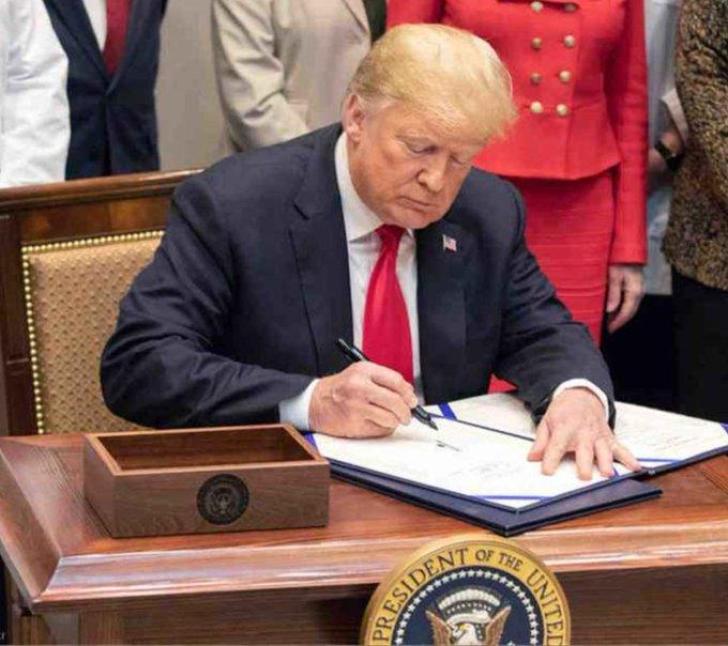
US President Donald Trump this week announced the punitive measure in response to Iran's violent crackdown on nationwide protests that have rocked the country for a third consecutive week. The unrest was triggered by a sharp devaluation of the Iranian currency, worsening living conditions in a country already under heavy US sanctions. Scores of demonstrators are reported to have been killed during the upheaval.
Analysts say the move is likely to have far-reaching consequences for countries such as Zimbabwe, which has openly declared ambitions to rapidly scale up trade with Iran.
Although current trade between Harare and Tehran remains modest — estimated at about US$30 million annually — the two countries signed cooperation agreements in 2024 aimed at boosting bilateral trade to an ambitious US$500 million a year.
Political analyst Reuben Mbofana said those plans are now under serious threat as Washington seeks to economically isolate Iran.
"The announcement of a 25% tariff on countries conducting business with Iran creates a formidable economic barrier for Zimbabwe's plans to expand its bilateral trade with Tehran," Mbofana said.
"The real impact lies in the potential disruption of the cooperation agreements signed in late 2023, which aimed to boost bilateral trade to a target of US$500 million through joint ventures in mining, energy and agriculture. The 25% tariff essentially acts as a massive transaction tax on any country maintaining these ties."
Zimbabwe has signed at least 12 Memoranda of Understanding with Iran covering sectors such as agriculture, mining, pharmaceuticals and tourism. Last year, Vice President Constantino Chiwenga attended the Africa-Iran Economic Investment Conference in Tehran, which sought to strengthen commercial relations between African states and Iran.
Total trade between Africa and Iran is estimated at around US$1,3 billion, with Zimbabwe accounting for roughly US$30 million of that figure.
Mbofana said Trump's latest policy places Zimbabwe in a difficult position.
"For Zimbabwean companies, this move forces a tough choice between pursuing the US$500 million growth target with Iran or protecting the price competitiveness of their goods in the global marketplace," he said.
"A 25% surcharge would likely make Zimbabwean tobacco and other commodities significantly more expensive for international buyers, effectively pricing local producers out of competitive markets. This creates a chilling effect on new investment, as the risk of being hit by such a steep tariff far outweighs the current rewards of the Iranian market."
He added that the policy could also derail plans for technology transfer.
"Beyond direct trade in goods, Zimbabwe has been looking to Iran for technology transfer in specialised sectors such as pharmaceutical manufacturing and medical equipment," Mbofana said.
"Because the tariff applies to those ‘doing business' with Tehran, any local firm that signs a contract for Iranian machinery or technical expertise could find its entire export portfolio penalised. This makes the procurement of Iranian technology — previously seen as an affordable alternative for our energy and health sectors — suddenly very expensive."
Mbofana argued that the broader effect would be to cap Zimbabwe's ability to diversify its trading partners.
"The impact is less about the loss of the current modest trade and more about the opportunity cost of the lost US$500 million growth target," he said. "As long as this tariff is in place, the private sector will likely remain cautious, prioritising the protection of existing global revenue over the risky expansion of new ties with Tehran."
Ricky Mukonza, a politics lecturer at Tshwane University of Technology, agreed that the US move would disrupt Zimbabwe's trade prospects.
"Zimbabwe has signed agreements with Iran to explore closer economic ties, particularly in agriculture, mining and pharmaceuticals. However, these diplomatic efforts have not yet translated into substantial trade volumes," Mukonza said.
"Current data shows that commercial ties with the United States and its allies remain far more extensive. This means Zimbabwe stands to suffer significantly due to the 25% tariff announced by the USA."
In a statement to the Independent, the Iranian embassy in Zimbabwe condemned Washington's decision, arguing that unilateral sanctions would ultimately fail.
"It must be taken into account that the MoUs signed between Iran and Zimbabwe have created a legal basis for cooperation between the two nations and their peoples," the embassy said.
"These MoUs are not only relevant to inter-governmental relations; more than that, they enable people-to-people ties. With a solid legal basis for cooperation, businesspeople from both countries can work together without fear of sanctions."
The embassy added that Washington could not dictate Zimbabwe's trading partners.
"Moreover, the United States cannot impose sanctions on Zimbabwe and then force it to avoid supplying its needs from another sanctioned country," it said.
Zimbabwe's already strained relations with the US have deteriorated further in recent months after Harare was added to a list of countries facing tighter American travel restrictions, including a US$15 000 bond requirement for some visitors.
Despite this, relations between Zimbabwe and Iran remain warm — a partnership rooted in political solidarity forged during the nearly four-decade rule of the late former president Robert Mugabe.
US President Donald Trump this week announced the punitive measure in response to Iran's violent crackdown on nationwide protests that have rocked the country for a third consecutive week. The unrest was triggered by a sharp devaluation of the Iranian currency, worsening living conditions in a country already under heavy US sanctions. Scores of demonstrators are reported to have been killed during the upheaval.
Analysts say the move is likely to have far-reaching consequences for countries such as Zimbabwe, which has openly declared ambitions to rapidly scale up trade with Iran.
Although current trade between Harare and Tehran remains modest — estimated at about US$30 million annually — the two countries signed cooperation agreements in 2024 aimed at boosting bilateral trade to an ambitious US$500 million a year.
Political analyst Reuben Mbofana said those plans are now under serious threat as Washington seeks to economically isolate Iran.
"The announcement of a 25% tariff on countries conducting business with Iran creates a formidable economic barrier for Zimbabwe's plans to expand its bilateral trade with Tehran," Mbofana said.
"The real impact lies in the potential disruption of the cooperation agreements signed in late 2023, which aimed to boost bilateral trade to a target of US$500 million through joint ventures in mining, energy and agriculture. The 25% tariff essentially acts as a massive transaction tax on any country maintaining these ties."
Zimbabwe has signed at least 12 Memoranda of Understanding with Iran covering sectors such as agriculture, mining, pharmaceuticals and tourism. Last year, Vice President Constantino Chiwenga attended the Africa-Iran Economic Investment Conference in Tehran, which sought to strengthen commercial relations between African states and Iran.
Total trade between Africa and Iran is estimated at around US$1,3 billion, with Zimbabwe accounting for roughly US$30 million of that figure.
Mbofana said Trump's latest policy places Zimbabwe in a difficult position.
"For Zimbabwean companies, this move forces a tough choice between pursuing the US$500 million growth target with Iran or protecting the price competitiveness of their goods in the global marketplace," he said.
"A 25% surcharge would likely make Zimbabwean tobacco and other commodities significantly more expensive for international buyers, effectively pricing local producers out of competitive markets. This creates a chilling effect on new investment, as the risk of being hit by such a steep tariff far outweighs the current rewards of the Iranian market."
He added that the policy could also derail plans for technology transfer.
"Because the tariff applies to those ‘doing business' with Tehran, any local firm that signs a contract for Iranian machinery or technical expertise could find its entire export portfolio penalised. This makes the procurement of Iranian technology — previously seen as an affordable alternative for our energy and health sectors — suddenly very expensive."
Mbofana argued that the broader effect would be to cap Zimbabwe's ability to diversify its trading partners.
"The impact is less about the loss of the current modest trade and more about the opportunity cost of the lost US$500 million growth target," he said. "As long as this tariff is in place, the private sector will likely remain cautious, prioritising the protection of existing global revenue over the risky expansion of new ties with Tehran."
Ricky Mukonza, a politics lecturer at Tshwane University of Technology, agreed that the US move would disrupt Zimbabwe's trade prospects.
"Zimbabwe has signed agreements with Iran to explore closer economic ties, particularly in agriculture, mining and pharmaceuticals. However, these diplomatic efforts have not yet translated into substantial trade volumes," Mukonza said.
"Current data shows that commercial ties with the United States and its allies remain far more extensive. This means Zimbabwe stands to suffer significantly due to the 25% tariff announced by the USA."
In a statement to the Independent, the Iranian embassy in Zimbabwe condemned Washington's decision, arguing that unilateral sanctions would ultimately fail.
"It must be taken into account that the MoUs signed between Iran and Zimbabwe have created a legal basis for cooperation between the two nations and their peoples," the embassy said.
"These MoUs are not only relevant to inter-governmental relations; more than that, they enable people-to-people ties. With a solid legal basis for cooperation, businesspeople from both countries can work together without fear of sanctions."
The embassy added that Washington could not dictate Zimbabwe's trading partners.
"Moreover, the United States cannot impose sanctions on Zimbabwe and then force it to avoid supplying its needs from another sanctioned country," it said.
Zimbabwe's already strained relations with the US have deteriorated further in recent months after Harare was added to a list of countries facing tighter American travel restrictions, including a US$15 000 bond requirement for some visitors.
Despite this, relations between Zimbabwe and Iran remain warm — a partnership rooted in political solidarity forged during the nearly four-decade rule of the late former president Robert Mugabe.
Source - online
Join the discussion
Loading comments…


