News / National
Mnangagwa reveals plot to sabotage Zimbabwe's 1980 Independence
17 Jan 2026 at 12:35hrs |
0 Views
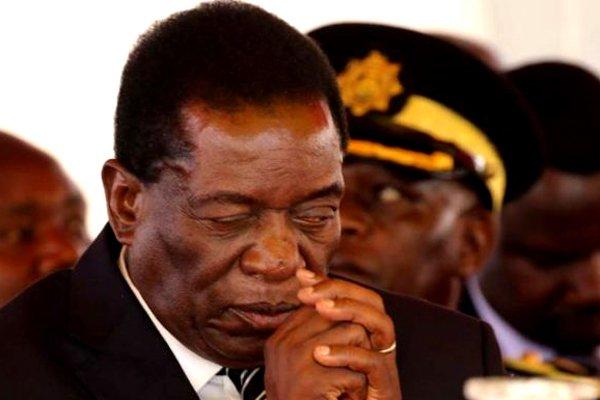
Zimbabwe's historic Independence Day celebrations on April 18, 1980, almost did not take place after Rhodesian forces plotted to sabotage the event, President Emmerson Mnangagwa has revealed.
Speaking in an interview with the Zimbabwe Broadcasting Corporation (ZBC), President Mnangagwa said the threat was neutralised through an intelligence network he quietly established during the tense transitional period that followed the February 1980 elections.
He recalled that the security situation between the elections and Independence Day was extremely volatile, with plans allegedly in place to attack the main celebrations scheduled for Rufaro Stadium in Harare.
"The Rhodesians wanted to blow us up here in Harare. They wanted to blow us up at the stadium," President Mnangagwa said.
He explained that timely intelligence enabled authorities to foil the plot, crediting information provided by a white informant he had recruited at the time.
"I recruited Dan Stannard, that white guy. So he tipped me about what was being planned, and we were able to diffuse it," he said.
According to the President, the danger did not subside even on Independence Day itself, as attempts to disrupt the celebrations continued.
"Even on the day of independence at the stadium, it was not easy. It was not easy because the Rhodesians had wanted to disrupt the independence celebrations in 1980," he said.
"But fortunately, I had developed systems and a network of informers."
Drawing on his background in both military and intelligence work, President Mnangagwa said he relied heavily on information-gathering networks to stay ahead of hostile forces opposed to the transfer of power.
He revealed that weapons intended for use in the sabotage had been hidden behind Harare Central Prison, a development he only discovered through intelligence reports.
"If you go to Harare Prison now, at the back of Harare Prison, there's an open area there… some isolated small hut somewhere at the back — that's where the arms were hidden," he said.
"So I was tipped and we were able to go in and diffuse, and we took away the arms. Each time the enemy would make tricks left and right, I would find out."
President Mnangagwa said the effectiveness of his intelligence network was such that the late former President Robert Mugabe often publicly remarked on his ability to know what was happening across the country.
"This is why Mugabe would say at the rally, ‘if you do anything behind that mountain and Emmerson is here, he will still know what is happening at the back there'," he said with a chuckle.
He further disclosed that his network penetrated the inner circles of the Rhodesian military command, allowing him access to sensitive discussions among senior officers, including then Rhodesian armed forces commander General Peter Walls.
"When Peter Walls and his generals were having dinner or whatever at KG6, most of the veterans who were serving them were blacks, and most of them were mine," President Mnangagwa said.
"They were discussing issues while being served beers and meals, so I knew what they were discussing."
The President said his role during the liberation struggle and the transition to independence earned him the confidence of President Mugabe, who entrusted him with key responsibilities, including participation in the 1979 Lancaster House talks.
"My boss, Mugabe, trusted me a lot, so I participated in most of these things. I was in Lancaster; I was everywhere. Where he went, he went with me," he said.
He also revealed that he was tasked with overseeing security and logistical preparations for the arrival of foreign dignitaries attending Zimbabwe's independence celebrations.
Among the leaders present were King Charles III, then Prince of Wales, Indian Prime Minister Indira Gandhi, Zambian President Kenneth Kaunda and Botswana President Seretse Khama.
"I led the first group to come here to prepare for the coming in of our leaders," President Mnangagwa said.
"I was sent in by Mugabe to prepare for the leadership to come. I stayed in Mushandirapamwe and made all the preparations, acquired all the accommodation and everything.
"When the leadership came, everything was sorted out. I was head of national security. I was an intelligence person, I was a military person — I blended the two, so Mugabe felt I was the most appropriate at the time."
Speaking in an interview with the Zimbabwe Broadcasting Corporation (ZBC), President Mnangagwa said the threat was neutralised through an intelligence network he quietly established during the tense transitional period that followed the February 1980 elections.
He recalled that the security situation between the elections and Independence Day was extremely volatile, with plans allegedly in place to attack the main celebrations scheduled for Rufaro Stadium in Harare.
"The Rhodesians wanted to blow us up here in Harare. They wanted to blow us up at the stadium," President Mnangagwa said.
He explained that timely intelligence enabled authorities to foil the plot, crediting information provided by a white informant he had recruited at the time.
"I recruited Dan Stannard, that white guy. So he tipped me about what was being planned, and we were able to diffuse it," he said.
According to the President, the danger did not subside even on Independence Day itself, as attempts to disrupt the celebrations continued.
"Even on the day of independence at the stadium, it was not easy. It was not easy because the Rhodesians had wanted to disrupt the independence celebrations in 1980," he said.
"But fortunately, I had developed systems and a network of informers."
Drawing on his background in both military and intelligence work, President Mnangagwa said he relied heavily on information-gathering networks to stay ahead of hostile forces opposed to the transfer of power.
He revealed that weapons intended for use in the sabotage had been hidden behind Harare Central Prison, a development he only discovered through intelligence reports.
"If you go to Harare Prison now, at the back of Harare Prison, there's an open area there… some isolated small hut somewhere at the back — that's where the arms were hidden," he said.
"So I was tipped and we were able to go in and diffuse, and we took away the arms. Each time the enemy would make tricks left and right, I would find out."
President Mnangagwa said the effectiveness of his intelligence network was such that the late former President Robert Mugabe often publicly remarked on his ability to know what was happening across the country.
"This is why Mugabe would say at the rally, ‘if you do anything behind that mountain and Emmerson is here, he will still know what is happening at the back there'," he said with a chuckle.
He further disclosed that his network penetrated the inner circles of the Rhodesian military command, allowing him access to sensitive discussions among senior officers, including then Rhodesian armed forces commander General Peter Walls.
"When Peter Walls and his generals were having dinner or whatever at KG6, most of the veterans who were serving them were blacks, and most of them were mine," President Mnangagwa said.
"They were discussing issues while being served beers and meals, so I knew what they were discussing."
The President said his role during the liberation struggle and the transition to independence earned him the confidence of President Mugabe, who entrusted him with key responsibilities, including participation in the 1979 Lancaster House talks.
"My boss, Mugabe, trusted me a lot, so I participated in most of these things. I was in Lancaster; I was everywhere. Where he went, he went with me," he said.
He also revealed that he was tasked with overseeing security and logistical preparations for the arrival of foreign dignitaries attending Zimbabwe's independence celebrations.
Among the leaders present were King Charles III, then Prince of Wales, Indian Prime Minister Indira Gandhi, Zambian President Kenneth Kaunda and Botswana President Seretse Khama.
"I led the first group to come here to prepare for the coming in of our leaders," President Mnangagwa said.
"I was sent in by Mugabe to prepare for the leadership to come. I stayed in Mushandirapamwe and made all the preparations, acquired all the accommodation and everything.
"When the leadership came, everything was sorted out. I was head of national security. I was an intelligence person, I was a military person — I blended the two, so Mugabe felt I was the most appropriate at the time."
Source - The Herald
Join the discussion
Loading comments…





