News / National
Beitbridge's hidden sex economy
18 Jan 2026 at 20:18hrs |
0 Views
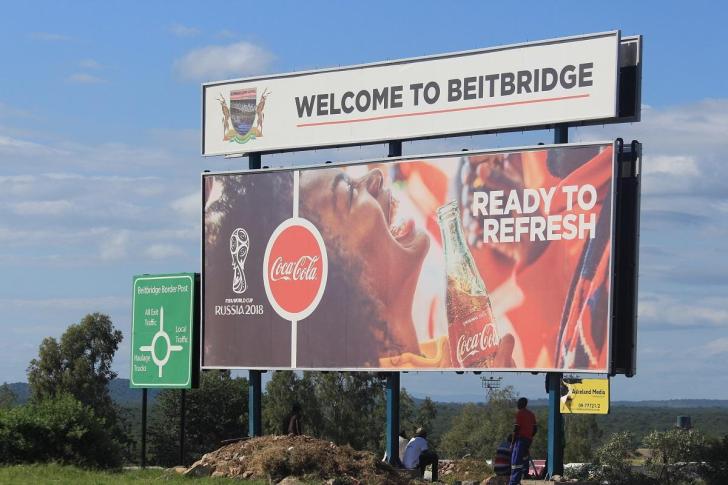
When the South African dream collapsed, Beitbridge — the bustling border town on Zimbabwe's southern frontier — quietly became a refuge for Marble Moyo*, a sex worker surviving on the margins of a harsh economy.
For Moyo and many other women, Beitbridge is less a choice than a last resort after failed attempts to secure stable employment across the Limpopo River. What was intended as a brief stopover has, for many, turned into a permanent and precarious home.
Investigations by Truth Diggers reveal that a significant number of sex workers operating in Beitbridge originate from Mashonaland, Midlands and Manicaland provinces, with many coming from Harare, Chitungwiza and other urban centres. Most left Zimbabwe hoping to find work as domestic workers or in the service industry in South Africa. Instead, economic hardship, exploitation and unemployment pushed them into sex work — a path they say they never imagined for themselves.
For Moyo, the truth is too painful to share with her family. Originally from Zengeza 2 in Chitungwiza, she admits she has lied to her relatives, telling them she works in South Africa as a maid.
"I tell my family I am still in South Africa working as a domestic worker," she said. "They would never understand what I am really doing."
Another woman, who asked to be identified only as Lolo and is from Marondera, said her journey into sex work began after her plans in South Africa fell apart. She said she had been an active churchgoer before leaving Zimbabwe to work as a maid.
"My boss later relocated to the United Kingdom and I failed to secure another job," she said. "A friend then introduced me to sex work."
Lolo said she eventually left South Africa after finding the work too dangerous, relocating to Beitbridge instead. Like Moyo, she has kept her situation secret from her family.
"I can't go back home and face my family because everyone is looking up to me," she said. "The little that I get here, I send it home."
Poverty in Zimbabwe remains widespread, but women bear a disproportionate burden, particularly in rural areas. Women face higher unemployment, are overrepresented in informal and insecure work and have less access to income-generating assets. According to the United Nations in Zimbabwe, female-headed households experience higher multidimensional deprivation — 19 percent compared to 13.3 percent for male-headed households — reflecting deeper poverty across education, health and living standards.
Moyo and Lolo's experiences mirror those of many other women in Beitbridge, caught between stigma, survival and responsibility. With few formal employment opportunities available, sex work has become one of the few viable sources of income.
Truth Diggers established that many sex workers live in makeshift brothels — ordinary houses converted into shared accommodation — mainly in Dulibadzimu, Beitbridge's oldest suburb. The women reportedly pay daily rentals of about 50 rand per person. Living conditions are cramped, with four to six women sharing a single room, often separated only by hanging curtains that offer little privacy.
By day, the neighbourhood appears quiet. By nightfall, it transforms as sex workers gather at a spot known locally as KuMadurawall, a well-known "touchline" where they solicit clients. Customers include truck drivers, border jumpers and travellers, and some women allege that police officers are also among their clientele.
Several sex workers reported facing verbal abuse, threats and non-payment. Few, however, feel safe reporting such cases to the police, citing fear and mistrust.
Some of the properties used as brothels are owned by former sex workers. One landlord, identified as Mai Chari, said she built her house during her years as a cross-border trader, supplementing her income through sex work.
"My tenants are mostly sex workers and I charge daily rentals," she said, adding that about 14 women share three rooms at her property.
Despite the risks, sex workers in Beitbridge are increasingly benefiting from targeted health interventions. The Beitbridge Wellness Centre, run by the National Aids Council in partnership with North Star Alliance and the Ministry of Health and Child Care, provides integrated services including HIV testing, treatment for sexually transmitted infections, contraception and psychosocial support.
Recognising that most sex work takes place at night, the programme also offers moonlight services — mobile outreach clinics that operate during evening hours. These services have improved access to healthcare for women who struggle to attend daytime clinics.
"At night, it's easier for us to get help," Moyo said. "We can talk freely and get services when we need them."
Beitbridge district Aids coordinator Edward Mlaudzi said the district has about 2 000 sex workers, including some aged between 15 and 19. The district's HIV prevalence stands at 14.5 percent, with HIV positivity among sex workers estimated to be three times higher than in the general population.
Mlaudzi said efforts were underway to empower young sex workers through skills training and education programmes, in collaboration with government ministries responsible for youth and women's development.
Development practitioner Takemore Mazuruse said Beitbridge's hidden sex economy reflects broader national challenges.
"These women are not just sex workers — they are migrants, mothers, daughters and breadwinners operating in a system that has failed them," he said. "Beitbridge may have become their sanctuary, but it is a sanctuary without security, and a refuge without rights."
*Name changed to protect identity.
(*Not real name)
For Moyo and many other women, Beitbridge is less a choice than a last resort after failed attempts to secure stable employment across the Limpopo River. What was intended as a brief stopover has, for many, turned into a permanent and precarious home.
Investigations by Truth Diggers reveal that a significant number of sex workers operating in Beitbridge originate from Mashonaland, Midlands and Manicaland provinces, with many coming from Harare, Chitungwiza and other urban centres. Most left Zimbabwe hoping to find work as domestic workers or in the service industry in South Africa. Instead, economic hardship, exploitation and unemployment pushed them into sex work — a path they say they never imagined for themselves.
For Moyo, the truth is too painful to share with her family. Originally from Zengeza 2 in Chitungwiza, she admits she has lied to her relatives, telling them she works in South Africa as a maid.
"I tell my family I am still in South Africa working as a domestic worker," she said. "They would never understand what I am really doing."
Another woman, who asked to be identified only as Lolo and is from Marondera, said her journey into sex work began after her plans in South Africa fell apart. She said she had been an active churchgoer before leaving Zimbabwe to work as a maid.
"My boss later relocated to the United Kingdom and I failed to secure another job," she said. "A friend then introduced me to sex work."
Lolo said she eventually left South Africa after finding the work too dangerous, relocating to Beitbridge instead. Like Moyo, she has kept her situation secret from her family.
"I can't go back home and face my family because everyone is looking up to me," she said. "The little that I get here, I send it home."
Poverty in Zimbabwe remains widespread, but women bear a disproportionate burden, particularly in rural areas. Women face higher unemployment, are overrepresented in informal and insecure work and have less access to income-generating assets. According to the United Nations in Zimbabwe, female-headed households experience higher multidimensional deprivation — 19 percent compared to 13.3 percent for male-headed households — reflecting deeper poverty across education, health and living standards.
Moyo and Lolo's experiences mirror those of many other women in Beitbridge, caught between stigma, survival and responsibility. With few formal employment opportunities available, sex work has become one of the few viable sources of income.
Truth Diggers established that many sex workers live in makeshift brothels — ordinary houses converted into shared accommodation — mainly in Dulibadzimu, Beitbridge's oldest suburb. The women reportedly pay daily rentals of about 50 rand per person. Living conditions are cramped, with four to six women sharing a single room, often separated only by hanging curtains that offer little privacy.
By day, the neighbourhood appears quiet. By nightfall, it transforms as sex workers gather at a spot known locally as KuMadurawall, a well-known "touchline" where they solicit clients. Customers include truck drivers, border jumpers and travellers, and some women allege that police officers are also among their clientele.
Several sex workers reported facing verbal abuse, threats and non-payment. Few, however, feel safe reporting such cases to the police, citing fear and mistrust.
Some of the properties used as brothels are owned by former sex workers. One landlord, identified as Mai Chari, said she built her house during her years as a cross-border trader, supplementing her income through sex work.
"My tenants are mostly sex workers and I charge daily rentals," she said, adding that about 14 women share three rooms at her property.
Despite the risks, sex workers in Beitbridge are increasingly benefiting from targeted health interventions. The Beitbridge Wellness Centre, run by the National Aids Council in partnership with North Star Alliance and the Ministry of Health and Child Care, provides integrated services including HIV testing, treatment for sexually transmitted infections, contraception and psychosocial support.
Recognising that most sex work takes place at night, the programme also offers moonlight services — mobile outreach clinics that operate during evening hours. These services have improved access to healthcare for women who struggle to attend daytime clinics.
"At night, it's easier for us to get help," Moyo said. "We can talk freely and get services when we need them."
Beitbridge district Aids coordinator Edward Mlaudzi said the district has about 2 000 sex workers, including some aged between 15 and 19. The district's HIV prevalence stands at 14.5 percent, with HIV positivity among sex workers estimated to be three times higher than in the general population.
Mlaudzi said efforts were underway to empower young sex workers through skills training and education programmes, in collaboration with government ministries responsible for youth and women's development.
Development practitioner Takemore Mazuruse said Beitbridge's hidden sex economy reflects broader national challenges.
"These women are not just sex workers — they are migrants, mothers, daughters and breadwinners operating in a system that has failed them," he said. "Beitbridge may have become their sanctuary, but it is a sanctuary without security, and a refuge without rights."
*Name changed to protect identity.
(*Not real name)
Source - Southern Eye
Join the discussion
Loading comments…





