News / National
War veterans, former detainees back Mnangagwa adviser
20 Jan 2026 at 09:03hrs |
0 Views
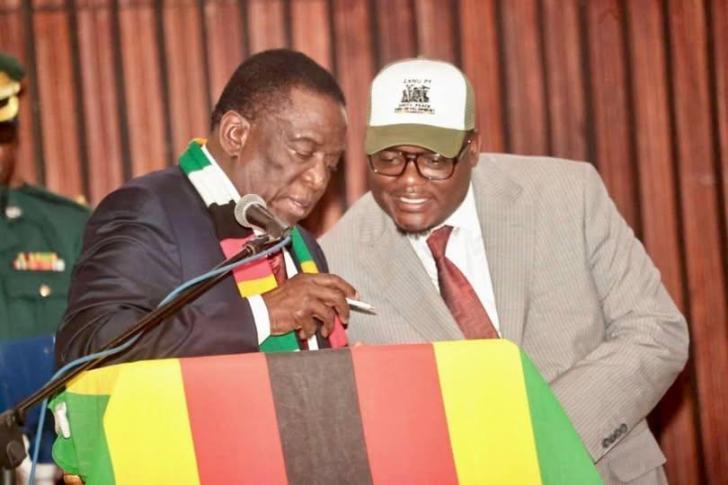
WAR veterans and former political detainees from across the country have rallied behind Presidential Special Adviser Mr Paul Tungwarara, citing his sustained engagement and tangible interventions aimed at improving their welfare and livelihoods.
The endorsement follows Mr Tungwarara's recent remarks reaffirming the central role played by liberation war fighters and former detainees in securing Zimbabwe's independence, sentiments that have resonated strongly within the veteran community.
Liberation war veteran Comrade Joseph Chinhamo of Mashonaland Central said Mr Tungwarara's approach reflects long-overdue recognition of the sacrifices made during the struggle.
"For years, many felt sidelined after giving everything to the struggle," said Chinhamo. "When Tungwarara speaks, he gives voice to our lived experiences. More importantly, his words are backed by action."
Mr Tungwarara has consistently acknowledged war veterans, former political prisoners, collaborators and families of fallen fighters as pillars of the nation, a stance that has earned him widespread respect among the groups.
In recent months, several Government-backed initiatives targeting veterans' welfare have gathered momentum. These include financial support packages for former political detainees, war collaborators and widows of fallen liberation heroes.
Key interventions such as the War Veterans Welfare Fund, interest-free loan facilities, borehole drilling programmes and housing schemes are being rolled out, providing practical relief to communities that have long called for structured support.
In Matabeleland South, former detainee Mr Sipho Moyo described the initiatives as both practical and symbolic.
"The borehole drilled in our village means more than access to water," he said. "It shows that our sacrifices are remembered. These programmes help heal wounds that have been carried for decades."
Mr Tungwarara has pledged that no eligible veteran will be left out of the support framework, a commitment that has been welcomed by beneficiaries.
Veterans have also framed their support for Mr Tungwarara as an endorsement of Zanu-PF's leadership and policy direction, pointing to the establishment of a dedicated war veterans' portfolio within the party as evidence of renewed political will to address their concerns.
War veteran Ms Abigail Chikomo said the values forged during the liberation struggle continue to shape their political outlook.
"We fought as disciplined cadres, united by a common purpose," she said. "That same discipline now drives our support for Vision 2030. Adviser Tungwarara and President Mnangagwa have provided clarity and direction, and we are fully behind that journey."
War collaborator Tinashe Madziva of Manicaland said Mr Tungwarara's leadership reflects a people-centred philosophy aligned with the ethos of the liberation struggle.
"We did not fight for titles or privilege, but for the masses," he said. "Seeing that same commitment in his work with the President on national programmes, including Vision 2030 and empowerment initiatives, gives us confidence in the future."
Observers say the growing alignment between Government leadership and liberation veterans points to a strengthening partnership grounded in recognition, inclusion and shared national goals.
As Zimbabwe advances its development agenda, the backing of war veterans and former detainees is seen as reinforcing a renewed sense of purpose rooted in acknowledging the past while building a more secure and inclusive future.
The endorsement follows Mr Tungwarara's recent remarks reaffirming the central role played by liberation war fighters and former detainees in securing Zimbabwe's independence, sentiments that have resonated strongly within the veteran community.
Liberation war veteran Comrade Joseph Chinhamo of Mashonaland Central said Mr Tungwarara's approach reflects long-overdue recognition of the sacrifices made during the struggle.
"For years, many felt sidelined after giving everything to the struggle," said Chinhamo. "When Tungwarara speaks, he gives voice to our lived experiences. More importantly, his words are backed by action."
Mr Tungwarara has consistently acknowledged war veterans, former political prisoners, collaborators and families of fallen fighters as pillars of the nation, a stance that has earned him widespread respect among the groups.
In recent months, several Government-backed initiatives targeting veterans' welfare have gathered momentum. These include financial support packages for former political detainees, war collaborators and widows of fallen liberation heroes.
Key interventions such as the War Veterans Welfare Fund, interest-free loan facilities, borehole drilling programmes and housing schemes are being rolled out, providing practical relief to communities that have long called for structured support.
In Matabeleland South, former detainee Mr Sipho Moyo described the initiatives as both practical and symbolic.
"The borehole drilled in our village means more than access to water," he said. "It shows that our sacrifices are remembered. These programmes help heal wounds that have been carried for decades."
Mr Tungwarara has pledged that no eligible veteran will be left out of the support framework, a commitment that has been welcomed by beneficiaries.
Veterans have also framed their support for Mr Tungwarara as an endorsement of Zanu-PF's leadership and policy direction, pointing to the establishment of a dedicated war veterans' portfolio within the party as evidence of renewed political will to address their concerns.
War veteran Ms Abigail Chikomo said the values forged during the liberation struggle continue to shape their political outlook.
"We fought as disciplined cadres, united by a common purpose," she said. "That same discipline now drives our support for Vision 2030. Adviser Tungwarara and President Mnangagwa have provided clarity and direction, and we are fully behind that journey."
War collaborator Tinashe Madziva of Manicaland said Mr Tungwarara's leadership reflects a people-centred philosophy aligned with the ethos of the liberation struggle.
"We did not fight for titles or privilege, but for the masses," he said. "Seeing that same commitment in his work with the President on national programmes, including Vision 2030 and empowerment initiatives, gives us confidence in the future."
Observers say the growing alignment between Government leadership and liberation veterans points to a strengthening partnership grounded in recognition, inclusion and shared national goals.
As Zimbabwe advances its development agenda, the backing of war veterans and former detainees is seen as reinforcing a renewed sense of purpose rooted in acknowledging the past while building a more secure and inclusive future.
Source - online
Join the discussion
Loading comments…



