News / National
Mpilo new cancer treatment equipment on it's way
21 Jan 2026 at 06:54hrs |
0 Views
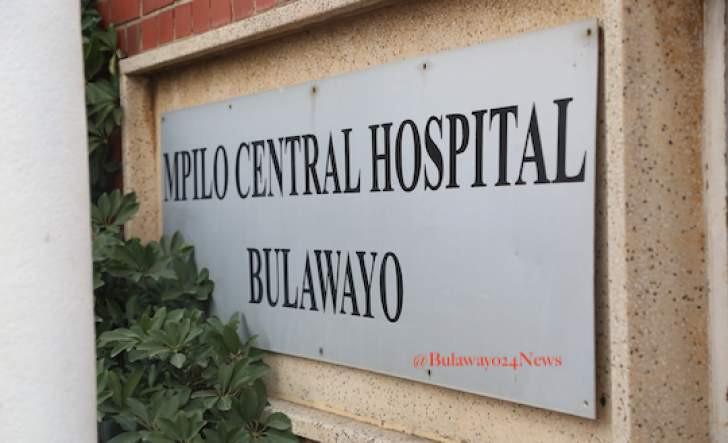
Zimbabwe is set to receive the first consignment of specialised radiotherapy machines for Parirenyatwa Group of Hospitals in Harare and Mpilo Central Hospital in Bulawayo, with the equipment already in transit after reaching Durban, South Africa.
The delivery marks a major milestone in Government's efforts to expand and modernise public cancer treatment services, which for years have been hampered by obsolete machinery, long waiting lists and limited access to care outside the two major cities.
Health and Child Care Minister Dr Douglas Mombeshora confirmed the development on Monday during an inspection of ongoing refurbishment works at Parirenyatwa, the country's largest referral hospital.
He said part of the first batch of machines was already en route to Harare, while additional units had been manufactured and were awaiting pre-shipment inspection before being dispatched to Zimbabwe.
"We are putting in new equipment and that equipment has been manufactured," said Dr Mombeshora.
"Part of the first consignment is already in Durban on its way to Parirenyatwa, and the second tranche has also been completed. We are now sending a technical team for pre-shipment inspection, after which it will be shipped. So, I think everything is in order."
The equipment is being procured using funds raised through the sugar tax introduced in the 2024 National Budget. The levy targets sweetened beverages as part of efforts to curb non-communicable diseases, while also financing critical health infrastructure.
Government has earmarked US$30 million from the sugar tax to revive radiotherapy services, marking the largest public-sector investment in cancer treatment infrastructure in decades.
According to the Ministry of Finance, Economic Development and Investment Promotion's 2026 Zimbabwe Infrastructure Investment Programme, Treasury has so far paid US$5,3 million as a deposit to suppliers to enable delivery and installation of the machines.
The new radiotherapy equipment will be installed at Parirenyatwa and Mpilo hospitals.
For years, cancer patients who cannot afford private care have endured long waiting periods or been forced to travel long distances to Harare and Bulawayo for treatment.
Dr Mombeshora said decommissioning of old radiotherapy machines had already begun at both hospitals in preparation for the new installations.
"Already we are looking at decommissioning the equipment at Mpilo and relocating it to Gweru Provincial Hospital," he said.
"We are working on the final modality so that when the new equipment arrives, there is already space created for it. We are actually creating a new cancer treatment centre in Gweru. For Parirenyatwa, I think everything is in place."
The second decommissioned unit will be redeployed to either Masvingo or Chinhoyi, a move expected to help decentralise specialised cancer services and reduce pressure on major referral hospitals.
The expansion of public radiotherapy services is expected to bring significant relief to thousands of Zimbabweans living with cancer, many of whom have struggled to access affordable treatment.
Currently, private chemotherapy costs range from US$100 to US$1 000 per dose, while radiotherapy can cost between US$5 000 and US$10 000 per course. Surgical procedures range from US$1 000 to US$10 000 depending on complexity, with many patients requiring multiple rounds of treatment.
Treasury said the broader equipment package includes Magnetic Resonance Imaging (MRI) machines, fusion and syringe pumps, vital signs monitors, fluid warmers, gas chromatographs, mass spectrometers, point-of-care blood gas analysers, chemistry analysers and video laryngoscopes.
"These technologies will strengthen cancer diagnosis, improve treatment precision, enhance intensive care services and modernise surgical and emergency care across major referral hospitals," Treasury said.
Speaking during Monday's tour, Finance Ministry Permanent Secretary Mr George Guvamatanga said the modernisation of public hospitals was a key pillar of National Development Strategy 2 (NDS2), which runs from 2026 to 2030 and places social services at the centre of economic transformation.
"NDS1 was about prioritising infrastructure so that we create the best platform for economic growth," he said.
"NDS2 is prioritising the social services — it is about health, education and making sure that we have got world-class facilities that you are seeing here."
The delivery marks a major milestone in Government's efforts to expand and modernise public cancer treatment services, which for years have been hampered by obsolete machinery, long waiting lists and limited access to care outside the two major cities.
Health and Child Care Minister Dr Douglas Mombeshora confirmed the development on Monday during an inspection of ongoing refurbishment works at Parirenyatwa, the country's largest referral hospital.
He said part of the first batch of machines was already en route to Harare, while additional units had been manufactured and were awaiting pre-shipment inspection before being dispatched to Zimbabwe.
"We are putting in new equipment and that equipment has been manufactured," said Dr Mombeshora.
"Part of the first consignment is already in Durban on its way to Parirenyatwa, and the second tranche has also been completed. We are now sending a technical team for pre-shipment inspection, after which it will be shipped. So, I think everything is in order."
The equipment is being procured using funds raised through the sugar tax introduced in the 2024 National Budget. The levy targets sweetened beverages as part of efforts to curb non-communicable diseases, while also financing critical health infrastructure.
Government has earmarked US$30 million from the sugar tax to revive radiotherapy services, marking the largest public-sector investment in cancer treatment infrastructure in decades.
According to the Ministry of Finance, Economic Development and Investment Promotion's 2026 Zimbabwe Infrastructure Investment Programme, Treasury has so far paid US$5,3 million as a deposit to suppliers to enable delivery and installation of the machines.
The new radiotherapy equipment will be installed at Parirenyatwa and Mpilo hospitals.
For years, cancer patients who cannot afford private care have endured long waiting periods or been forced to travel long distances to Harare and Bulawayo for treatment.
"Already we are looking at decommissioning the equipment at Mpilo and relocating it to Gweru Provincial Hospital," he said.
"We are working on the final modality so that when the new equipment arrives, there is already space created for it. We are actually creating a new cancer treatment centre in Gweru. For Parirenyatwa, I think everything is in place."
The second decommissioned unit will be redeployed to either Masvingo or Chinhoyi, a move expected to help decentralise specialised cancer services and reduce pressure on major referral hospitals.
The expansion of public radiotherapy services is expected to bring significant relief to thousands of Zimbabweans living with cancer, many of whom have struggled to access affordable treatment.
Currently, private chemotherapy costs range from US$100 to US$1 000 per dose, while radiotherapy can cost between US$5 000 and US$10 000 per course. Surgical procedures range from US$1 000 to US$10 000 depending on complexity, with many patients requiring multiple rounds of treatment.
Treasury said the broader equipment package includes Magnetic Resonance Imaging (MRI) machines, fusion and syringe pumps, vital signs monitors, fluid warmers, gas chromatographs, mass spectrometers, point-of-care blood gas analysers, chemistry analysers and video laryngoscopes.
"These technologies will strengthen cancer diagnosis, improve treatment precision, enhance intensive care services and modernise surgical and emergency care across major referral hospitals," Treasury said.
Speaking during Monday's tour, Finance Ministry Permanent Secretary Mr George Guvamatanga said the modernisation of public hospitals was a key pillar of National Development Strategy 2 (NDS2), which runs from 2026 to 2030 and places social services at the centre of economic transformation.
"NDS1 was about prioritising infrastructure so that we create the best platform for economic growth," he said.
"NDS2 is prioritising the social services — it is about health, education and making sure that we have got world-class facilities that you are seeing here."
Source - The Herald
Join the discussion
Loading comments…


