News / National
Botswana bans Zimbabwe livestock
21 Jan 2026 at 06:58hrs |
0 Views
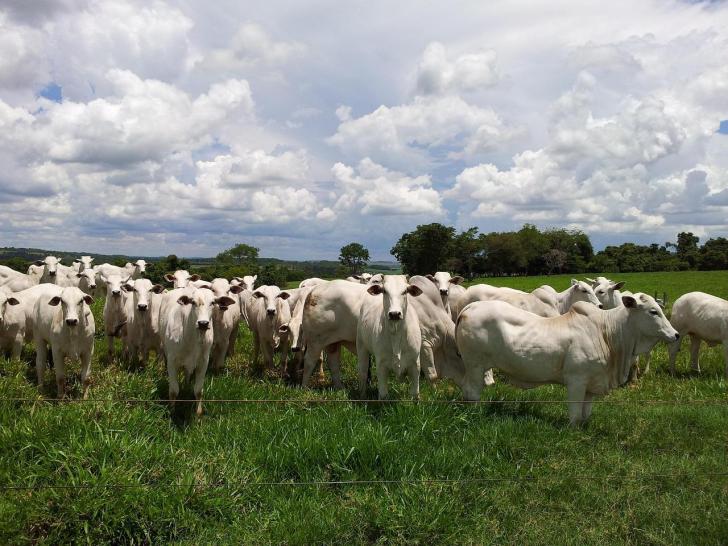
Botswana has imposed an immediate ban on the importation of cloven‑hoofed livestock and related products from Zimbabwe following reports of a foot‑and‑mouth disease (FMD) outbreak in Mangwe district, which borders Botswana's Tutume, North‑East, and Bobirwa regions.
Acting Director of Veterinary Services, Kobedi Segale, announced the restrictions on Monday, describing the move as necessary to protect Botswana's national herd from the highly contagious livestock disease.
Segale urged farmers in border districts to heighten vigilance and strictly adhere to FMD prevention protocols, including controlling livestock movements, kraaling animals at night, and ensuring all cattle are properly branded and tagged.
"Movement of cloven-hoofed animals out of, into and within zones 3b, 3c (Maitengwe), 6b and 7 is not allowed except for direct slaughter. The livestock from these zones are not eligible for export or slaughter for export," Segale said in a statement.
Farmers were also asked to immediately report any suspected FMD symptoms, such as lameness, drooling, or mouth and hoof ulcers, as well as any Zimbabwean livestock straying across the border or attempts to illegally import animals, raw meat, or milk.
Communities along the frontier were called upon to assist in disease‑control measures by maintaining cordon fences, removing livestock from border zones, and helping to curb cross‑border movements.
The ban highlights the risks posed by FMD, which spreads rapidly among cloven‑hoofed animals and can severely impact livestock productivity and trade.
Acting Director of Veterinary Services, Kobedi Segale, announced the restrictions on Monday, describing the move as necessary to protect Botswana's national herd from the highly contagious livestock disease.
Segale urged farmers in border districts to heighten vigilance and strictly adhere to FMD prevention protocols, including controlling livestock movements, kraaling animals at night, and ensuring all cattle are properly branded and tagged.
Farmers were also asked to immediately report any suspected FMD symptoms, such as lameness, drooling, or mouth and hoof ulcers, as well as any Zimbabwean livestock straying across the border or attempts to illegally import animals, raw meat, or milk.
Communities along the frontier were called upon to assist in disease‑control measures by maintaining cordon fences, removing livestock from border zones, and helping to curb cross‑border movements.
The ban highlights the risks posed by FMD, which spreads rapidly among cloven‑hoofed animals and can severely impact livestock productivity and trade.
Source - APA
Join the discussion
Loading comments…





