News / National
Makoni bid to block enforcement of English divorce order dismissed
21 Jan 2026 at 07:00hrs |
0 Views
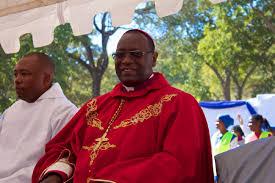
The Constitutional Court has dismissed an application by banker-turned-cleric Julius Tawona Makoni seeking to overturn a Supreme Court ruling that allowed the enforcement in Zimbabwe of a divorce and property distribution order issued by a court in England.
In a unanimous judgement delivered on Tuesday, Justice Bharat Patel, with Justices Rita Makarau and Anne-Marie Gowora concurring, ruled that Makoni had failed to establish any violation of his constitutional rights and had no prospects of success warranting direct access to the apex court.
Makoni, an Anglican Church bishop, had challenged a Supreme Court decision which set aside a High Court ruling that had declared unenforceable part of a 2013 English divorce order awarding his former wife, Pauline Mutsa Makoni, the Harare matrimonial home in Chisipite.
The parties were married in Zimbabwe in 1983 and later acquired substantial assets in both Zimbabwe and the United Kingdom. Makoni relocated to England in the mid-1980s, where he lived and worked for decades.
In 2010, Pauline Makoni instituted divorce proceedings in England. The English court granted a decree awarding her the London matrimonial home, the Harare house in Chisipite, a Shawasha Hills stand and household goods. Makoni retained extensive assets, including multiple properties, offshore bank accounts and significant shareholdings in National Merchant Bank of Zimbabwe.
In its ruling, the English court criticised Makoni for failing to make full disclosure of his assets and structured the property distribution accordingly.
Rather than challenge the interim order in England, Makoni later approached the High Court of Zimbabwe seeking a declaratory order that the award of the Harare house was unenforceable, arguing it was contrary to public policy and left him homeless.
The High Court ruled in his favour, holding that the English court lacked jurisdiction and that the property distribution offended Zimbabwean public policy.
That decision was overturned on appeal, with the Supreme Court finding that the High Court had misdirected itself and that the English judgement was valid, fair and enforceable in Zimbabwe.
Before the Constitutional Court, Makoni — represented by Professors Welshman Ncube and Lovemore Madhuku — argued that the Supreme Court had violated his rights to a fair hearing and equal protection of the law, and that the ruling infringed his constitutional right to a home.
The court rejected all the arguments.
On the complaint that the Supreme Court delayed in providing reasons for its decision, Justice Patel held that delay alone does not constitute a violation of the right to a fair hearing, particularly where no prejudice is shown.
"The applicant did not suffer any prejudice that would warrant the setting aside of the court a quo's decision," Justice Patel said, noting that reasons were eventually furnished and enabled Makoni to approach the Constitutional Court.
On the claim of unequal protection of the law, the court found that Makoni had failed to demonstrate that he was treated differently from anyone else in a comparable position.
A central issue was whether the English court had jurisdiction to determine the divorce and property dispute. The Constitutional Court held that Makoni had lost his Zimbabwean domicile long before the divorce proceedings, having lived and established his life outside the country for decades.
Applying section 3(4) of the Immigration Act, the court found that Makoni's prolonged absence from Zimbabwe, establishment of a life abroad and failure to rebut statutory presumptions meant that he was domiciled in the United Kingdom at the relevant time.
"As a result, the court in England was vested with the requisite jurisdictional competence to decide the matrimonial proceedings," the judgement said.
The court also dismissed Makoni's contention that the divorce order violated his right to a home, holding that section 74 of the Constitution, which protects against eviction without a court order, was irrelevant.
The property distribution followed a court process that considered all relevant circumstances, the court said, adding that Makoni retained assets worth significantly more than those awarded to his former wife.
"It seems almost risible to suggest that the divorce order rendered the applicant destitute, let alone homeless," Justice Patel remarked.
The court concluded that Makoni's application for direct access was without merit and amounted to an attempt to relitigate issues already settled by the Supreme Court.
The application was dismissed with no order as to costs, the court noting that although the proceedings appeared vexatious, constitutional matters ordinarily do not attract costs.
Advocate Thabani Mpofu appeared for Pauline Makoni.
In a unanimous judgement delivered on Tuesday, Justice Bharat Patel, with Justices Rita Makarau and Anne-Marie Gowora concurring, ruled that Makoni had failed to establish any violation of his constitutional rights and had no prospects of success warranting direct access to the apex court.
Makoni, an Anglican Church bishop, had challenged a Supreme Court decision which set aside a High Court ruling that had declared unenforceable part of a 2013 English divorce order awarding his former wife, Pauline Mutsa Makoni, the Harare matrimonial home in Chisipite.
The parties were married in Zimbabwe in 1983 and later acquired substantial assets in both Zimbabwe and the United Kingdom. Makoni relocated to England in the mid-1980s, where he lived and worked for decades.
In 2010, Pauline Makoni instituted divorce proceedings in England. The English court granted a decree awarding her the London matrimonial home, the Harare house in Chisipite, a Shawasha Hills stand and household goods. Makoni retained extensive assets, including multiple properties, offshore bank accounts and significant shareholdings in National Merchant Bank of Zimbabwe.
In its ruling, the English court criticised Makoni for failing to make full disclosure of his assets and structured the property distribution accordingly.
Rather than challenge the interim order in England, Makoni later approached the High Court of Zimbabwe seeking a declaratory order that the award of the Harare house was unenforceable, arguing it was contrary to public policy and left him homeless.
The High Court ruled in his favour, holding that the English court lacked jurisdiction and that the property distribution offended Zimbabwean public policy.
That decision was overturned on appeal, with the Supreme Court finding that the High Court had misdirected itself and that the English judgement was valid, fair and enforceable in Zimbabwe.
Before the Constitutional Court, Makoni — represented by Professors Welshman Ncube and Lovemore Madhuku — argued that the Supreme Court had violated his rights to a fair hearing and equal protection of the law, and that the ruling infringed his constitutional right to a home.
The court rejected all the arguments.
On the complaint that the Supreme Court delayed in providing reasons for its decision, Justice Patel held that delay alone does not constitute a violation of the right to a fair hearing, particularly where no prejudice is shown.
"The applicant did not suffer any prejudice that would warrant the setting aside of the court a quo's decision," Justice Patel said, noting that reasons were eventually furnished and enabled Makoni to approach the Constitutional Court.
On the claim of unequal protection of the law, the court found that Makoni had failed to demonstrate that he was treated differently from anyone else in a comparable position.
A central issue was whether the English court had jurisdiction to determine the divorce and property dispute. The Constitutional Court held that Makoni had lost his Zimbabwean domicile long before the divorce proceedings, having lived and established his life outside the country for decades.
Applying section 3(4) of the Immigration Act, the court found that Makoni's prolonged absence from Zimbabwe, establishment of a life abroad and failure to rebut statutory presumptions meant that he was domiciled in the United Kingdom at the relevant time.
"As a result, the court in England was vested with the requisite jurisdictional competence to decide the matrimonial proceedings," the judgement said.
The court also dismissed Makoni's contention that the divorce order violated his right to a home, holding that section 74 of the Constitution, which protects against eviction without a court order, was irrelevant.
The property distribution followed a court process that considered all relevant circumstances, the court said, adding that Makoni retained assets worth significantly more than those awarded to his former wife.
"It seems almost risible to suggest that the divorce order rendered the applicant destitute, let alone homeless," Justice Patel remarked.
The court concluded that Makoni's application for direct access was without merit and amounted to an attempt to relitigate issues already settled by the Supreme Court.
The application was dismissed with no order as to costs, the court noting that although the proceedings appeared vexatious, constitutional matters ordinarily do not attract costs.
Advocate Thabani Mpofu appeared for Pauline Makoni.
Source - ZimLive
Join the discussion
Loading comments…





