News / National
Kariba electricity output to triple
22 Jan 2026 at 09:26hrs |
917 Views
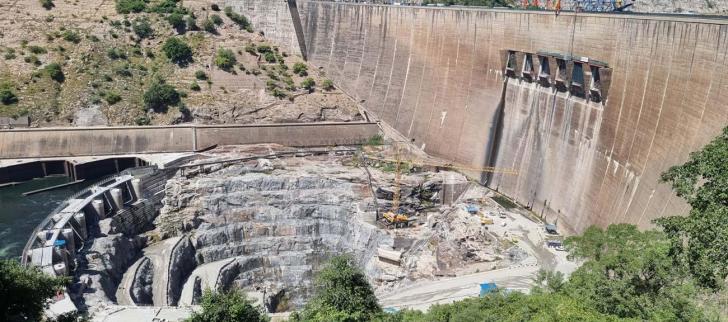
Power generation at the Kariba South Hydropower Station is projected to triple to about 750 megawatts (MW) in 2026 following a significant recovery in Lake Kariba's water levels, a development expected to ease load-shedding and stabilise electricity supplies across Zimbabwe.
Kariba South is currently generating about 250MW, slightly above last year's average output, which was severely constrained by the El Niño-induced drought - the worst to hit southern Africa in more than 40 years.
The improved hydrological outlook comes as Zimbabwe's power supply has also been bolstered by the full commissioning of Hwange Thermal Power Station Units 7 and 8 in 2023, which added 600MW to the national grid.
With national electricity demand estimated at about 2 200MW, the combined output from Kariba and Hwange is expected to significantly narrow the supply deficit in 2026, easing pressure on households, industry and commerce.
Speaking after touring the Kariba South Power Station on Tuesday, Energy and Power Development Minister July Moyo, who also chairs the Zambezi River Authority (ZRA), said rising water levels were a welcome development but must be supported by long-term investments in energy infrastructure.
"Last year we experienced a severe drought that negatively affected power generation," said Moyo.
"However, the continued rise in Lake Kariba's water levels gives us confidence that production will improve this year. Hydropower remains the cheapest form of electricity in Zimbabwe, and ZPC is targeting to raise output to about 750MW."
Lake Kariba has an installed generation capacity of 1 050MW, although two units at Kariba South are currently not operational. Improved water availability is expected to ease generation constraints and allow the Zimbabwe Power Company (ZPC) to ramp up output.
ZRA senior manager for Water Resources and Environmental Management, Engineer Boniface Mfula, said hydrological conditions in the Kariba catchment had improved markedly.
"The Kariba catchment has performed very well this season, with river inflows rising to above 50% compared to the same period in 2025," Mfula said.
"These positive projections translate into increased water allocation to ZPC and Zambia Electricity Supply Corporation (ZESCO) for power generation."
The ZRA, which jointly manages Lake Kariba on behalf of Zimbabwe and Zambia, said the improved inflows were a boost to regional energy security.
Buoyed by the positive outlook, Zimbabwe is accelerating preparations for two major power generation projects: the 1 200MW Batoka Gorge Hydro-Electric Scheme and a 600MW floating solar power plant on Lake Kariba, which together are expected to add 1 800MW to the national grid in the medium term.
The Batoka project — a joint venture between Zimbabwe and Zambia — is planned as a 2 400MW hydroelectric station downstream of Kariba Dam and is expected to supply power to both countries while exporting surplus electricity into the Southern African Power Pool.
Minister Moyo said Presidents Emmerson Mnangagwa and Hakainde Hichilema had directed their energy and finance ministries to fast-track the Batoka project.
"This is where we will generate even more hydropower than Kariba, benefiting both Zimbabwe and Zambia," he said.
He added that the availability of key construction materials within the region strengthened the project's viability, citing Zimbabwe's Manhize Iron and Steel Plant and Zambia's strong cement production capacity.
Zimbabwe is also planning a 600MW floating solar power plant on Lake Kariba, which will generate electricity during daylight hours while reducing water evaporation from the reservoir, complementing hydropower generation.
"A floating solar power plant would allow us to continue producing electricity even when dam levels decline," Moyo said, adding that Afreximbank had availed funding for feasibility studies, including environmental impact assessments.
Currently, Zimbabwe's electricity generation is anchored on coal-fired power from Hwange and hydropower from Kariba. While independent power producers have begun feeding solar energy into the grid, supply still falls short of demand.
Authorities say improved water inflows, regional cooperation and diversified energy investments place the country on a firmer path toward long-term energy stability.
Kariba South is currently generating about 250MW, slightly above last year's average output, which was severely constrained by the El Niño-induced drought - the worst to hit southern Africa in more than 40 years.
The improved hydrological outlook comes as Zimbabwe's power supply has also been bolstered by the full commissioning of Hwange Thermal Power Station Units 7 and 8 in 2023, which added 600MW to the national grid.
With national electricity demand estimated at about 2 200MW, the combined output from Kariba and Hwange is expected to significantly narrow the supply deficit in 2026, easing pressure on households, industry and commerce.
Speaking after touring the Kariba South Power Station on Tuesday, Energy and Power Development Minister July Moyo, who also chairs the Zambezi River Authority (ZRA), said rising water levels were a welcome development but must be supported by long-term investments in energy infrastructure.
"Last year we experienced a severe drought that negatively affected power generation," said Moyo.
"However, the continued rise in Lake Kariba's water levels gives us confidence that production will improve this year. Hydropower remains the cheapest form of electricity in Zimbabwe, and ZPC is targeting to raise output to about 750MW."
Lake Kariba has an installed generation capacity of 1 050MW, although two units at Kariba South are currently not operational. Improved water availability is expected to ease generation constraints and allow the Zimbabwe Power Company (ZPC) to ramp up output.
ZRA senior manager for Water Resources and Environmental Management, Engineer Boniface Mfula, said hydrological conditions in the Kariba catchment had improved markedly.
"The Kariba catchment has performed very well this season, with river inflows rising to above 50% compared to the same period in 2025," Mfula said.
"These positive projections translate into increased water allocation to ZPC and Zambia Electricity Supply Corporation (ZESCO) for power generation."
The ZRA, which jointly manages Lake Kariba on behalf of Zimbabwe and Zambia, said the improved inflows were a boost to regional energy security.
Buoyed by the positive outlook, Zimbabwe is accelerating preparations for two major power generation projects: the 1 200MW Batoka Gorge Hydro-Electric Scheme and a 600MW floating solar power plant on Lake Kariba, which together are expected to add 1 800MW to the national grid in the medium term.
The Batoka project — a joint venture between Zimbabwe and Zambia — is planned as a 2 400MW hydroelectric station downstream of Kariba Dam and is expected to supply power to both countries while exporting surplus electricity into the Southern African Power Pool.
Minister Moyo said Presidents Emmerson Mnangagwa and Hakainde Hichilema had directed their energy and finance ministries to fast-track the Batoka project.
"This is where we will generate even more hydropower than Kariba, benefiting both Zimbabwe and Zambia," he said.
He added that the availability of key construction materials within the region strengthened the project's viability, citing Zimbabwe's Manhize Iron and Steel Plant and Zambia's strong cement production capacity.
Zimbabwe is also planning a 600MW floating solar power plant on Lake Kariba, which will generate electricity during daylight hours while reducing water evaporation from the reservoir, complementing hydropower generation.
"A floating solar power plant would allow us to continue producing electricity even when dam levels decline," Moyo said, adding that Afreximbank had availed funding for feasibility studies, including environmental impact assessments.
Currently, Zimbabwe's electricity generation is anchored on coal-fired power from Hwange and hydropower from Kariba. While independent power producers have begun feeding solar energy into the grid, supply still falls short of demand.
Authorities say improved water inflows, regional cooperation and diversified energy investments place the country on a firmer path toward long-term energy stability.
Source - the herald
Join the discussion
Loading comments…





