News / National
Mnangagwa orders review of Zanu-PF salaries
23 Jan 2026 at 07:55hrs |
0 Views
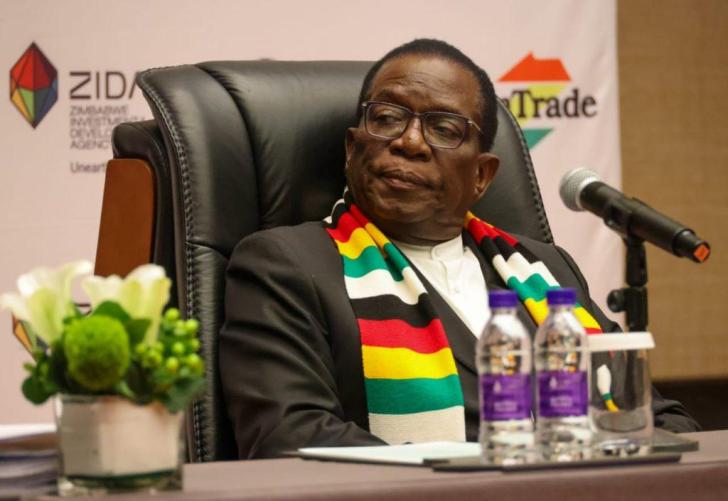
President Emmerson Dambudzo Mnangagwa has reportedly ordered a major review of salaries for employees of the ruling Zanu-PF party, with the lowest-paid workers expected to earn close to US$700 per month, while senior Politburo members could receive more than US$3,500.
According to reports, the salary adjustments range from 50 percent to as much as 300 percent and are intended to correct pay disparities, align remuneration with prevailing market rates and retain skilled personnel within the party's administrative structures.
Dandaro Online quoted party insiders as saying the move is consistent with President Mnangagwa's broader vision of transforming Zimbabwe into an upper-middle-income economy by 2030. Employees are reportedly welcoming the changes, describing them as a morale booster and a sign of recognition for their work.
Zanu-PF online activist Kudzai Mutisi appeared to confirm the revised salary structure on social media, saying working for the ruling party had become "an awesome thing" under President Mnangagwa's leadership.
"These are the current salaries of Zanu-PF workers," Mutisi wrote. "Lowest paid employees get US$700 per month, and senior officials get as much as US$3,500 per month.
"Gone are the days when party bigwigs would come to the party headquarters manned by hungry people, especially during the G40 period. Zanu-PF deserves leaders who care about others, especially those who work for the party."
However, the reported salary increases have also triggered criticism and renewed debate over wage disparities in the country, particularly between political party employees and public sector workers.
Former opposition legislator Fadzayi Mahere questioned the justification for senior Zanu-PF officials earning as much as US$3,500 a month while teachers and other civil servants reportedly earn around US$270.
"What about teachers?" Mahere asked. "How can a teacher earn US$270 when US$3,500 is being paid at Zanu-PF? Are you saying the party is more important than serving the public?"
Neither Zanu-PF nor Government officials have issued an official statement confirming the new salary structure, but the reports have already stirred widespread discussion on social media and in public forums about priorities in remuneration and the broader cost-of-living challenges facing ordinary Zimbabweans.
According to reports, the salary adjustments range from 50 percent to as much as 300 percent and are intended to correct pay disparities, align remuneration with prevailing market rates and retain skilled personnel within the party's administrative structures.
Dandaro Online quoted party insiders as saying the move is consistent with President Mnangagwa's broader vision of transforming Zimbabwe into an upper-middle-income economy by 2030. Employees are reportedly welcoming the changes, describing them as a morale booster and a sign of recognition for their work.
Zanu-PF online activist Kudzai Mutisi appeared to confirm the revised salary structure on social media, saying working for the ruling party had become "an awesome thing" under President Mnangagwa's leadership.
"These are the current salaries of Zanu-PF workers," Mutisi wrote. "Lowest paid employees get US$700 per month, and senior officials get as much as US$3,500 per month.
"Gone are the days when party bigwigs would come to the party headquarters manned by hungry people, especially during the G40 period. Zanu-PF deserves leaders who care about others, especially those who work for the party."
However, the reported salary increases have also triggered criticism and renewed debate over wage disparities in the country, particularly between political party employees and public sector workers.
Former opposition legislator Fadzayi Mahere questioned the justification for senior Zanu-PF officials earning as much as US$3,500 a month while teachers and other civil servants reportedly earn around US$270.
"What about teachers?" Mahere asked. "How can a teacher earn US$270 when US$3,500 is being paid at Zanu-PF? Are you saying the party is more important than serving the public?"
Neither Zanu-PF nor Government officials have issued an official statement confirming the new salary structure, but the reports have already stirred widespread discussion on social media and in public forums about priorities in remuneration and the broader cost-of-living challenges facing ordinary Zimbabweans.
Source - Pindula
Join the discussion
Loading comments…


