News / National
Zimbabwe govt rolls out free Wi-Fi programme
23 Jan 2026 at 07:59hrs |
593 Views
Government is set to roll out free public Wi-Fi hotspots across the country as part of a broad programme aimed at expanding broadband access, bridging the digital divide and promoting inclusive participation in the digital economy.
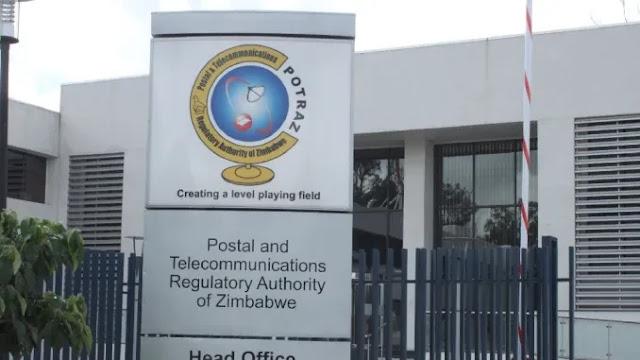
The initiative, which falls under the National Development Strategy 2 (NDS2), will be implemented by the Postal and Telecommunications Regulatory Authority of Zimbabwe (Potraz). It is anchored on the expansion of national broadband infrastructure, with a particular focus on ensuring affordable and reliable internet access for underserved communities in rural areas and high-density urban settlements.
The programme builds on earlier digital inclusion efforts, including the Presidential Internet Scheme, under which Government has already allocated 8 000 Starlink kits to the Ministry of Primary and Secondary Education to improve connectivity in schools.
According to NDS2, the Universal Service Fund (USF) will finance the expansion of network coverage to economically disadvantaged areas.
"The Universal Service Fund will support the expansion of network coverage to economically disadvantaged areas," reads the strategy document.
"Government will also establish free Wi-Fi hotspots in public spaces to promote digital inclusion and access to information."
Under the programme, free Wi-Fi hotspots will be installed in public spaces such as schools, clinics, community halls, bus termini, markets, libraries and Government service centres. These shared access points will allow citizens to connect using personal devices or community computers to access online services, educational resources, Government platforms and business information at no data cost.
The facilities are expected to be managed in partnership with local authorities and service providers to ensure security, sustainability and reliable connectivity.
In an interview, Minister of Information, Communication Technology, Postal and Courier Services, Dr Tatenda Mavetera, confirmed that preparations for the nationwide rollout were at an advanced stage.
"We have already procured routers and are targeting the establishment of at least 1 000 free Wi-Fi hotspots," she said.
"A pilot project has already been completed in Hwedza, and we are now liaising with Ministers of State to identify strategic locations."
Dr Mavetera said community leaders, including chiefs and village heads, would also be engaged to help determine the most effective placement of Starlink terminals, particularly in remote areas.
She added that free connectivity is already available at selected digital centres.
"At some of our digital centres, there are already free Wi-Fi hotspots. We have also supplied 300 Starlink kits to Zimpost to ensure backup connectivity at these centres," she said.
The rollout will prioritise strategic public spaces such as parks and rural growth points, with a strong focus on improving access to essential services. Authorities say the initiative will enable rural students to access e-learning platforms without the burden of data costs, while also allowing communities to benefit from telemedicine and other digital public services.
Under NDS2, Government will also expand 4G and 5G broadband coverage by allocating additional radio frequency spectrum to mobile network operators. The move is expected to improve network capacity, reduce congestion and enhance internet speeds in both urban centres and remote areas.
To guide the expansion, Potraz, in collaboration with the International Telecommunication Union (ITU), will develop a national broadband mapping system to identify coverage gaps, optimise resource allocation and support evidence-based decision-making.
"This mapping will guide targeted investments to expand broadband access nationwide and stimulate demand for ICT services, supported by the adoption and promotion of emerging AI technologies," authorities said.
Internet access in underserved areas will also be strengthened by opening the satellite broadband market to additional operators. Government plans to license satellite broadband services through partnerships with local companies or direct authorisation, allowing providers to deploy satellite-based solutions in areas where fibre and mobile networks are difficult or costly to roll out.
In addition, licensing multiple operators to deploy optic fibre infrastructure is expected to introduce competition in the wholesale broadband market, accelerate fibre deployment, improve service quality and lower costs.
Complementing broadband expansion, Government will transform Digital Centres — formerly Community Information Centres — into low-cost digital innovation hubs in underserved areas. The centres will be equipped with internet access, computers and training facilities to support digital literacy, entrepreneurship and innovation, with nationwide expansion planned during the NDS2 period.
Zimbabwe's internet access has grown steadily over the past decade, largely driven by mobile broadband, though rural areas continue to face challenges related to limited infrastructure, high costs and uneven coverage. Data affordability remains a major barrier for many households, prompting Government to prioritise interventions that lower access costs.
The broadband rollout coincides with Government's distribution of ICT devices to disadvantaged rural schools to support blended learning. The programme, which began in Manicaland and is set to expand to Matabeleland South, has been bolstered by a UNICEF donation of 815 laptops, 708 projectors and 2 112 tablets.
Primary and Secondary Education Minister Torerayi Moyo said the initiative would significantly enhance learning outcomes and prepare students for a digital future.
"By providing both devices and free internet access, we are taking a major step towards ensuring that no child is left behind in this digital era," he said.
The initiative, which falls under the National Development Strategy 2 (NDS2), will be implemented by the Postal and Telecommunications Regulatory Authority of Zimbabwe (Potraz). It is anchored on the expansion of national broadband infrastructure, with a particular focus on ensuring affordable and reliable internet access for underserved communities in rural areas and high-density urban settlements.
The programme builds on earlier digital inclusion efforts, including the Presidential Internet Scheme, under which Government has already allocated 8 000 Starlink kits to the Ministry of Primary and Secondary Education to improve connectivity in schools.
According to NDS2, the Universal Service Fund (USF) will finance the expansion of network coverage to economically disadvantaged areas.
"The Universal Service Fund will support the expansion of network coverage to economically disadvantaged areas," reads the strategy document.
"Government will also establish free Wi-Fi hotspots in public spaces to promote digital inclusion and access to information."
Under the programme, free Wi-Fi hotspots will be installed in public spaces such as schools, clinics, community halls, bus termini, markets, libraries and Government service centres. These shared access points will allow citizens to connect using personal devices or community computers to access online services, educational resources, Government platforms and business information at no data cost.
The facilities are expected to be managed in partnership with local authorities and service providers to ensure security, sustainability and reliable connectivity.
In an interview, Minister of Information, Communication Technology, Postal and Courier Services, Dr Tatenda Mavetera, confirmed that preparations for the nationwide rollout were at an advanced stage.
"We have already procured routers and are targeting the establishment of at least 1 000 free Wi-Fi hotspots," she said.
"A pilot project has already been completed in Hwedza, and we are now liaising with Ministers of State to identify strategic locations."
Dr Mavetera said community leaders, including chiefs and village heads, would also be engaged to help determine the most effective placement of Starlink terminals, particularly in remote areas.
"At some of our digital centres, there are already free Wi-Fi hotspots. We have also supplied 300 Starlink kits to Zimpost to ensure backup connectivity at these centres," she said.
The rollout will prioritise strategic public spaces such as parks and rural growth points, with a strong focus on improving access to essential services. Authorities say the initiative will enable rural students to access e-learning platforms without the burden of data costs, while also allowing communities to benefit from telemedicine and other digital public services.
Under NDS2, Government will also expand 4G and 5G broadband coverage by allocating additional radio frequency spectrum to mobile network operators. The move is expected to improve network capacity, reduce congestion and enhance internet speeds in both urban centres and remote areas.
To guide the expansion, Potraz, in collaboration with the International Telecommunication Union (ITU), will develop a national broadband mapping system to identify coverage gaps, optimise resource allocation and support evidence-based decision-making.
"This mapping will guide targeted investments to expand broadband access nationwide and stimulate demand for ICT services, supported by the adoption and promotion of emerging AI technologies," authorities said.
Internet access in underserved areas will also be strengthened by opening the satellite broadband market to additional operators. Government plans to license satellite broadband services through partnerships with local companies or direct authorisation, allowing providers to deploy satellite-based solutions in areas where fibre and mobile networks are difficult or costly to roll out.
In addition, licensing multiple operators to deploy optic fibre infrastructure is expected to introduce competition in the wholesale broadband market, accelerate fibre deployment, improve service quality and lower costs.
Complementing broadband expansion, Government will transform Digital Centres — formerly Community Information Centres — into low-cost digital innovation hubs in underserved areas. The centres will be equipped with internet access, computers and training facilities to support digital literacy, entrepreneurship and innovation, with nationwide expansion planned during the NDS2 period.
Zimbabwe's internet access has grown steadily over the past decade, largely driven by mobile broadband, though rural areas continue to face challenges related to limited infrastructure, high costs and uneven coverage. Data affordability remains a major barrier for many households, prompting Government to prioritise interventions that lower access costs.
The broadband rollout coincides with Government's distribution of ICT devices to disadvantaged rural schools to support blended learning. The programme, which began in Manicaland and is set to expand to Matabeleland South, has been bolstered by a UNICEF donation of 815 laptops, 708 projectors and 2 112 tablets.
Primary and Secondary Education Minister Torerayi Moyo said the initiative would significantly enhance learning outcomes and prepare students for a digital future.
"By providing both devices and free internet access, we are taking a major step towards ensuring that no child is left behind in this digital era," he said.
Source - The Herald
Join the discussion
Loading comments…





