News / National
High Court quashes businessman's conviction over 'ghost magistrate'
23 Jan 2026 at 08:00hrs |
0 Views
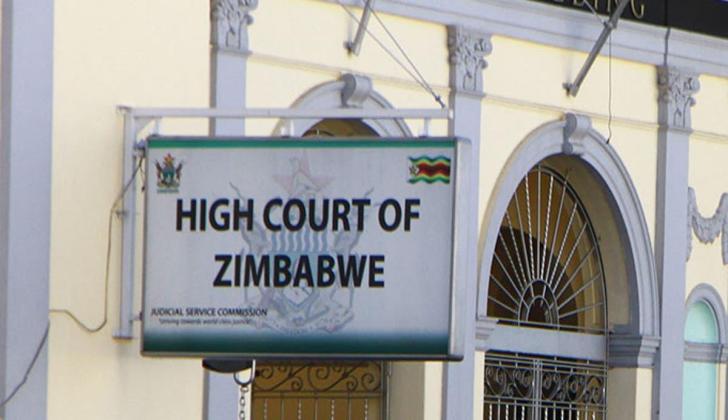
The High Court has set aside the conviction and three-year jail sentence imposed on a local businessman after ruling that the criminal proceedings were conducted without lawful jurisdiction.
Businessman Tinaapi Nyawo successfully challenged his conviction and sentence, which had been handed down by former regional magistrate Clever Tsikwa shortly before Tsikwa assumed office as a judge of the Labour Court.
Nyawo approached the High Court arguing that the trial and sentencing, conducted between July 2 and July 7 last year, were unlawful as Tsikwa had already been appointed a judge at the time. The appointment had been formally published in the Government Gazette.
The judgment under review had been delivered by regional magistrate Feresi Chakanyuka on behalf of Tsikwa.
Represented by Advocate Garikai Sithole, instructed by Admire Rubaya, Nyawo argued on appeal that once Tsikwa was appointed and gazetted as a judge, he ceased to have authority to preside as a magistrate.
Nyawo's legal team submitted that the appointment automatically terminated Tsikwa's position as a magistrate by operation of law, rendering the continuation of the criminal proceedings a nullity.
"The appointment as a judge automatically terminated the appointment as a magistrate," the lawyers argued. "He could not be a judge and a magistrate at the same time in the same body."
They further contended that the judicial officer had become functus officio and that the proceedings should have been halted and recommenced before a properly constituted court.
"The decisions of Chakanyuka cannot withstand scrutiny in terms of the law. They are invalid and grossly irregular as to implicate this Honourable Court's powers of review," the lawyers said, adding that the magistrate had exercised non-existent jurisdiction.
The appeal was heard by Justices Benjamin Chikowero and Takuva, who ruled in Nyawo's favour, quashing both the conviction and sentence.
In their ruling, the judges also questioned whether the State, represented by prosecutor Fortunate Kachidza, appreciated the legal process surrounding the appointment of judges in Zimbabwe.
The court agreed with the defence that a person becomes a judge upon appointment, even before taking the oath of office, noting that the oath is administered to someone who is already a judge.
As a result, the judges found that Tsikwa lost jurisdiction to preside over Nyawo's criminal trial on July 2, 2025, the date of his appointment as a judge, despite only taking the oath of office on July 4.
"In the exercise of the court's powers of review, the conviction is quashed and the sentence set aside," the High Court ruled.
Businessman Tinaapi Nyawo successfully challenged his conviction and sentence, which had been handed down by former regional magistrate Clever Tsikwa shortly before Tsikwa assumed office as a judge of the Labour Court.
Nyawo approached the High Court arguing that the trial and sentencing, conducted between July 2 and July 7 last year, were unlawful as Tsikwa had already been appointed a judge at the time. The appointment had been formally published in the Government Gazette.
The judgment under review had been delivered by regional magistrate Feresi Chakanyuka on behalf of Tsikwa.
Represented by Advocate Garikai Sithole, instructed by Admire Rubaya, Nyawo argued on appeal that once Tsikwa was appointed and gazetted as a judge, he ceased to have authority to preside as a magistrate.
Nyawo's legal team submitted that the appointment automatically terminated Tsikwa's position as a magistrate by operation of law, rendering the continuation of the criminal proceedings a nullity.
"The appointment as a judge automatically terminated the appointment as a magistrate," the lawyers argued. "He could not be a judge and a magistrate at the same time in the same body."
"The decisions of Chakanyuka cannot withstand scrutiny in terms of the law. They are invalid and grossly irregular as to implicate this Honourable Court's powers of review," the lawyers said, adding that the magistrate had exercised non-existent jurisdiction.
The appeal was heard by Justices Benjamin Chikowero and Takuva, who ruled in Nyawo's favour, quashing both the conviction and sentence.
In their ruling, the judges also questioned whether the State, represented by prosecutor Fortunate Kachidza, appreciated the legal process surrounding the appointment of judges in Zimbabwe.
The court agreed with the defence that a person becomes a judge upon appointment, even before taking the oath of office, noting that the oath is administered to someone who is already a judge.
As a result, the judges found that Tsikwa lost jurisdiction to preside over Nyawo's criminal trial on July 2, 2025, the date of his appointment as a judge, despite only taking the oath of office on July 4.
"In the exercise of the court's powers of review, the conviction is quashed and the sentence set aside," the High Court ruled.
Source - HMetro
Join the discussion
Loading comments…


