News / National
RBZ to rollout new ZiG banknotes
23 Jan 2026 at 14:40hrs |
980 Views
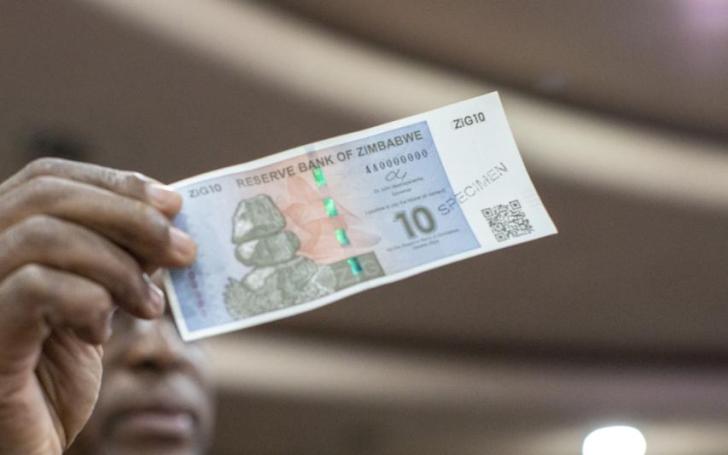
The Reserve Bank of Zimbabwe (RBZ) is set to introduce a new series of Zimbabwe Gold (ZiG) banknotes in the coming months, fitted with enhanced security features and improved durability, as authorities intensify efforts to restore confidence in the domestic currency and anchor macroeconomic stability.
The new banknotes are expected to be released towards the end of the first quarter or early in the second quarter of the year, as the central bank advances its roadmap towards a mono-currency system after more than a decade of dollarisation.
Speaking at the State of the Economy and 2026 Economic Outlook breakfast meeting in Harare on Thursday, RBZ deputy governor Dr Innocent Matshe, representing Governor Dr John Mushayavanhu, said the introduction of modern and secure banknotes was a critical step in rebuilding trust in the local currency.
"First of all, we are introducing durable, modern, secure notes and those notes are on their way. Towards the end of the first quarter or early next quarter, those notes will be available," Dr Matshe said. "I want to invite all Zimbabweans to embrace our currency. That's the only way we can make our economy competitive and grow our export business."
The meeting was organised by the Africa Economic Development Strategies (AEDS) think tank in partnership with Business Times.
Zimbabwe has operated under a multi-currency system dominated by the US dollar for over a decade, following episodes of hyperinflation and currency instability. While the system helped stabilise prices, authorities say it constrained monetary policy and limited competitiveness.
RBZ officials argue that a credible domestic currency is now essential for export competitiveness and long-term economic growth.
"For our exports to remain competitive and for our economy to be competitive, we need to have our own currency," Dr Matshe said. "The Reserve Bank is playing its part, and we invite all economic agents to play theirs."
The new ZiG notes form part of a broader policy framework aimed at entrenching macroeconomic stability and supporting the transition to a mono-currency regime in line with National Development Strategy 2 (NDS2), which targets upper-middle-income status by 2030.
Dr Matshe said the central bank would continue to pursue tight monetary policy to sustain low inflation, grow national savings and build foreign currency reserves.
"The Reserve Bank will continue to calibrate its monetary policy stance to sustain low and stable inflation through positive real interest rates, growing national savings, accumulating forex reserves, and deepening financial and capital markets," he said.
He also dismissed concerns about foreign currency shortages, warning against hoarding hard currency.
"This country has no foreign currency problems," Dr Matshe said. "If you want to import legally anything, you will get foreign currency. If you want to go on holiday or invest abroad, you are assured of enough foreign currency."
Supporting the stabilisation narrative, AEDS executive chairman Professor Gift Mugano said inflation was expected to decelerate sharply in the coming months.
Presenting the Zimbabwe Economic Pulse report, Mugano projected annual inflation to fall below 8% by April 2026, citing tight monetary policy and improved coordination between fiscal and monetary authorities.
"The introduction of the Zimbabwe Gold currency in April 2024 marked a watershed turning point, ending hyperinflation," he said. "Month-on-month ZiG inflation has receded to 0.23%, while annual inflation fell to 15.4% by December 2025 from 95.8% in July 2025."
He added: "Based on our estimates, annual inflation is expected to fall below 8% by April 2026."
The new banknotes are expected to be released towards the end of the first quarter or early in the second quarter of the year, as the central bank advances its roadmap towards a mono-currency system after more than a decade of dollarisation.
Speaking at the State of the Economy and 2026 Economic Outlook breakfast meeting in Harare on Thursday, RBZ deputy governor Dr Innocent Matshe, representing Governor Dr John Mushayavanhu, said the introduction of modern and secure banknotes was a critical step in rebuilding trust in the local currency.
"First of all, we are introducing durable, modern, secure notes and those notes are on their way. Towards the end of the first quarter or early next quarter, those notes will be available," Dr Matshe said. "I want to invite all Zimbabweans to embrace our currency. That's the only way we can make our economy competitive and grow our export business."
The meeting was organised by the Africa Economic Development Strategies (AEDS) think tank in partnership with Business Times.
Zimbabwe has operated under a multi-currency system dominated by the US dollar for over a decade, following episodes of hyperinflation and currency instability. While the system helped stabilise prices, authorities say it constrained monetary policy and limited competitiveness.
RBZ officials argue that a credible domestic currency is now essential for export competitiveness and long-term economic growth.
"For our exports to remain competitive and for our economy to be competitive, we need to have our own currency," Dr Matshe said. "The Reserve Bank is playing its part, and we invite all economic agents to play theirs."
Dr Matshe said the central bank would continue to pursue tight monetary policy to sustain low inflation, grow national savings and build foreign currency reserves.
"The Reserve Bank will continue to calibrate its monetary policy stance to sustain low and stable inflation through positive real interest rates, growing national savings, accumulating forex reserves, and deepening financial and capital markets," he said.
He also dismissed concerns about foreign currency shortages, warning against hoarding hard currency.
"This country has no foreign currency problems," Dr Matshe said. "If you want to import legally anything, you will get foreign currency. If you want to go on holiday or invest abroad, you are assured of enough foreign currency."
Supporting the stabilisation narrative, AEDS executive chairman Professor Gift Mugano said inflation was expected to decelerate sharply in the coming months.
Presenting the Zimbabwe Economic Pulse report, Mugano projected annual inflation to fall below 8% by April 2026, citing tight monetary policy and improved coordination between fiscal and monetary authorities.
"The introduction of the Zimbabwe Gold currency in April 2024 marked a watershed turning point, ending hyperinflation," he said. "Month-on-month ZiG inflation has receded to 0.23%, while annual inflation fell to 15.4% by December 2025 from 95.8% in July 2025."
He added: "Based on our estimates, annual inflation is expected to fall below 8% by April 2026."
Source - Business Times
Join the discussion
Loading comments…





