News / National
Zimbabwe's Davos engagement anchored on economic diplomacy, says Murwira
23 Jan 2026 at 17:09hrs |
0 Views
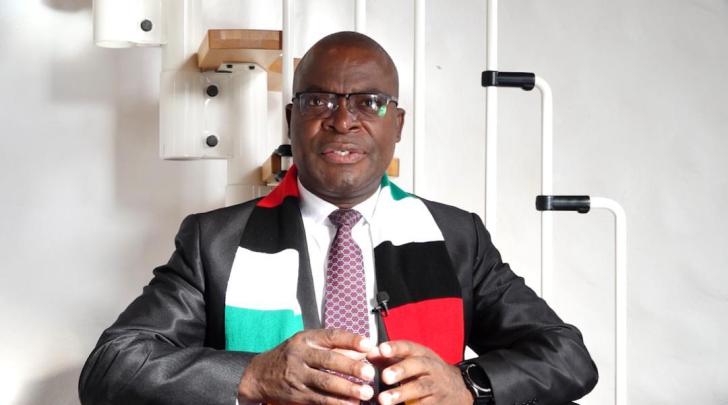
The Minister of Foreign Affairs and International Trade, Professor Dr Amon Murwira, says Zimbabwe's participation at the World Economic Forum (WEF) in Davos is a deliberate strategy rooted in economic diplomacy, aimed at integrating the country into the global economy and delivering tangible benefits to citizens.
Speaking in an interview following Zimbabwe's engagement at the global forum, Prof Murwira said the country's presence at Davos aligns with President Emmerson Dambudzo Mnangagwa's economic diplomacy policy, which places trade, investment and peaceful international cooperation at the centre of national development.
Zimbabwe's key objective at the forum, he said, was to better understand the evolving global geopolitical and economic environment in order to position the country strategically in an increasingly complex world.
"We normally say you have to understand the seas before you navigate your ship," Prof Murwira said. "At Davos, we focused on understanding the global political, economic and geopolitical landscape so that Zimbabwe can navigate effectively."
He noted that under the Second Republic, Zimbabwe has consistently participated at the World Economic Forum since 2018 as part of efforts to re-engage the international community, restore national dignity and promote prosperity.
According to the minister, discussions at Davos centred on how emerging geopolitical realities are reshaping trade, global governance and economic growth - insights he said are critical as Zimbabwe refines its global engagement strategy.
Addressing scepticism about the relevance of global forums to Zimbabwe, Prof Murwira stressed that Davos is not merely an elite gathering, but a platform where decisions influencing jobs, investment, technology, energy and trade are shaped.
"For Zimbabwe, trade is an instrument of peace and prosperity," he said. "If we don't trade, what do we do? Do we grab and go? Trade creates jobs, builds industries and improves livelihoods."
He added that Zimbabwe's participation helps position the country as a credible, stable and trustworthy investment destination, opening doors to partnerships that translate into real economic activity at home.
Alongside the main Davos programme, Zimbabwe held several high-level bilateral meetings focused on concrete economic outcomes. These included engagements with Gavi, the Global Alliance for Vaccines and Immunisation, aimed at strengthening cooperation in vaccine manufacturing and health systems, as well as discussions with Philip Morris International (PMI) on enhancing Zimbabwe's tobacco value chain.
"Zimbabwe is one of Africa's leading tobacco producers, with an expected output of about 500 million kilograms this year," Prof Murwira said. "We are encouraging direct purchases from Zimbabwe and greater participation across the tobacco value chain."
The minister also confirmed talks with India on energy cooperation, emphasising that energy remains a critical enabler of industrialisation, agriculture and economic development.
Prof Murwira said economic diplomacy remains the backbone of Zimbabwe's foreign policy, with trade deliberately placed at its centre.
"That is why the Ministry of Foreign Affairs and International Trade was deliberately configured to put trade at the centre," he said. "Our foreign policy advocates peaceful coexistence, and trade is the instrument that makes that possible."
He added that Zimbabwe supports reforms to the global trading system under the World Trade Organization, arguing that fair and inclusive trade is essential for global peace and shared prosperity.
Davos also provided a platform for advancing Africa's interests, particularly through the African Continental Free Trade Area (AfCFTA), which Zimbabwe views as key to industrialisation and boosting intra-African trade.
For the first time, Zimbabwe participated in discussions on energy diversification, including nuclear energy as a clean and reliable option to support Africa's long-term development agenda under Agenda 2063.
"Technology, trade, energy and geopolitics are interconnected," Prof Murwira said. "The geopolitical landscape is where economics, peace, development and the future of humanity are negotiated."
He said implementation remains the most important issue, noting that Zimbabwe's engagement at Davos supports the country's Open for Business policy and its doctrine of being a friend to all and an enemy to none.
Prof Murwira also emphasised the importance of international cooperation in education, science, innovation, technology and culture, saying these areas will help Zimbabwe transform its mineral wealth into sustainable prosperity.
"Our goal is simple," he said. "To bring dignity, integrity and prosperity to the people of Zimbabwe through peaceful engagement with the world."
The World Economic Forum in Davos brought together about 3,000 political and business leaders from more than 130 countries to deliberate on geopolitics, technology, trade and other global issues, at a time widely described as pivotal for global cooperation.
Speaking in an interview following Zimbabwe's engagement at the global forum, Prof Murwira said the country's presence at Davos aligns with President Emmerson Dambudzo Mnangagwa's economic diplomacy policy, which places trade, investment and peaceful international cooperation at the centre of national development.
Zimbabwe's key objective at the forum, he said, was to better understand the evolving global geopolitical and economic environment in order to position the country strategically in an increasingly complex world.
"We normally say you have to understand the seas before you navigate your ship," Prof Murwira said. "At Davos, we focused on understanding the global political, economic and geopolitical landscape so that Zimbabwe can navigate effectively."
He noted that under the Second Republic, Zimbabwe has consistently participated at the World Economic Forum since 2018 as part of efforts to re-engage the international community, restore national dignity and promote prosperity.
According to the minister, discussions at Davos centred on how emerging geopolitical realities are reshaping trade, global governance and economic growth - insights he said are critical as Zimbabwe refines its global engagement strategy.
Addressing scepticism about the relevance of global forums to Zimbabwe, Prof Murwira stressed that Davos is not merely an elite gathering, but a platform where decisions influencing jobs, investment, technology, energy and trade are shaped.
"For Zimbabwe, trade is an instrument of peace and prosperity," he said. "If we don't trade, what do we do? Do we grab and go? Trade creates jobs, builds industries and improves livelihoods."
He added that Zimbabwe's participation helps position the country as a credible, stable and trustworthy investment destination, opening doors to partnerships that translate into real economic activity at home.
Alongside the main Davos programme, Zimbabwe held several high-level bilateral meetings focused on concrete economic outcomes. These included engagements with Gavi, the Global Alliance for Vaccines and Immunisation, aimed at strengthening cooperation in vaccine manufacturing and health systems, as well as discussions with Philip Morris International (PMI) on enhancing Zimbabwe's tobacco value chain.
"Zimbabwe is one of Africa's leading tobacco producers, with an expected output of about 500 million kilograms this year," Prof Murwira said. "We are encouraging direct purchases from Zimbabwe and greater participation across the tobacco value chain."
Prof Murwira said economic diplomacy remains the backbone of Zimbabwe's foreign policy, with trade deliberately placed at its centre.
"That is why the Ministry of Foreign Affairs and International Trade was deliberately configured to put trade at the centre," he said. "Our foreign policy advocates peaceful coexistence, and trade is the instrument that makes that possible."
He added that Zimbabwe supports reforms to the global trading system under the World Trade Organization, arguing that fair and inclusive trade is essential for global peace and shared prosperity.
Davos also provided a platform for advancing Africa's interests, particularly through the African Continental Free Trade Area (AfCFTA), which Zimbabwe views as key to industrialisation and boosting intra-African trade.
For the first time, Zimbabwe participated in discussions on energy diversification, including nuclear energy as a clean and reliable option to support Africa's long-term development agenda under Agenda 2063.
"Technology, trade, energy and geopolitics are interconnected," Prof Murwira said. "The geopolitical landscape is where economics, peace, development and the future of humanity are negotiated."
He said implementation remains the most important issue, noting that Zimbabwe's engagement at Davos supports the country's Open for Business policy and its doctrine of being a friend to all and an enemy to none.
Prof Murwira also emphasised the importance of international cooperation in education, science, innovation, technology and culture, saying these areas will help Zimbabwe transform its mineral wealth into sustainable prosperity.
"Our goal is simple," he said. "To bring dignity, integrity and prosperity to the people of Zimbabwe through peaceful engagement with the world."
The World Economic Forum in Davos brought together about 3,000 political and business leaders from more than 130 countries to deliberate on geopolitics, technology, trade and other global issues, at a time widely described as pivotal for global cooperation.
Source - byo24news
Join the discussion
Loading comments…



