News / National
Malaba era politicised the courts, experts say
24 Jan 2026 at 14:19hrs |
0 Views
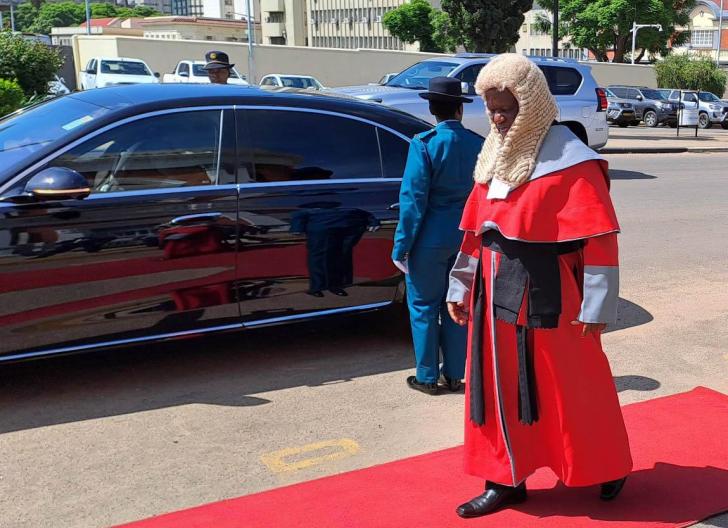
Zimbabwe's judiciary has not been a neutral arbiter in the country's political and governance crises but has, at critical moments, enabled misrule, political manipulation and the judicialisation of politics, leading legal experts have argued.
These views emerged during a discussion held on Friday titled "The Future of Zimbabwe's Judiciary: Lessons from the Malaba Era", where legal practitioners reflected on the tenure of Chief Justice Luke Malaba, who is due to retire in May following the controversial extension of his term.
Participants argued that Malaba's era illustrated how courts can be transformed into instruments of political power through selective application of the law, constitutional avoidance and lawfare, ultimately undermining the rule of law.
Human rights lawyer Doug Coltart described Malaba's legacy as conflicted, noting that it was initially marked by strong jurisprudence but later overshadowed by decisions and administrative conduct that weakened constitutional principles.
"If we look back at Malaba's tenure, not just as Chief Justice but as a judge, we see someone with real intellect who understood the law," Coltart said.
He cited landmark judgments such as the Mudzuru ruling, which outlawed child marriage, and Malaba's dissenting opinion in the Jealousy Mawarire case, where he opposed an early election in 2013 and defended constitutionalism.
"That dissent showed courage and independence," Coltart said.
However, he argued that the extension of Malaba's term as Chief Justice fundamentally undermined those achievements.
"I am pained that his legacy will likely be defined by the extension, which violated core constitutional principles, particularly the idea that incumbents should not benefit from changes to tenure," he said.
Coltart warned that Malaba risks being remembered less for his jurisprudence and more for refusing to step down when his term ended.
"Judges like South Africa's Pius Langa knew when it was time to go, and they went. The fact that we are still debating Malaba's retirement tells you something has gone wrong," he said.
Constitutional lawyer Dr Musa Kika said Malaba's long rise through the judicial ranks meant his later conduct could not be attributed to ignorance of the law.
"He knew the law. What happened was not out of ignorance," Kika said.
Kika argued that the Malaba era demonstrated that courts are not politically neutral spaces.
"The law and the courts are not innocent of politics. Much of the misgovernance and misrule we have seen in Zimbabwe has been enabled and facilitated by the courts," he said.
He noted a pattern of selective independence, where courts delivered sound judgments in less sensitive cases but ruled politically in constitutional, electoral and human rights matters.
"That is not how the rule of law works," Kika said, adding that courts increasingly relied on technicalities to avoid substantive rulings on politically sensitive issues, despite constitutional provisions prioritising substance over form.
According to Kika, this amounted to lawfare — the use of legal processes to wage political battles.
"The judiciary has been used to capture Parliament, dismantle political opponents and legitimise executive power," he said.
He cited controversial episodes during Malaba's tenure, including a 2020 directive requiring judges to submit judgments to heads of courts for approval, later withdrawn after public outcry, and a 2025 proposal to send judges to the Chitepo School of Ideology, which was also reversed following backlash.
Kika also criticised the Liberal Democrats v President of Zimbabwe ruling, delivered after the 2017 military intervention, in which the court held that former president Robert Mugabe had resigned voluntarily.
"That judgment effectively legitimised the coup and reflects dubious jurisprudence common where courts bend to executive whims," he said.
Legal practitioner and political analyst Dr Vusumuzi Sibanda offered an even harsher assessment, saying Malaba's tenure had caused lasting institutional damage.
"I am not even willing to acknowledge what he did right," Sibanda said.
Sibanda, who was the applicant in the Liberal Democrats case, said the experience left deep personal and professional scars.
"To have costs awarded on a matter that was clandestinely withdrawn, and then be told nothing can be done, that leaves scars," he said.
He questioned whether Malaba met the "fit and proper" standard for judicial leadership, particularly in light of the term extension.
"If you preside over a system that perpetuates suffering, there is nothing ethical about that," Sibanda said.
He accused the judiciary under Malaba of rubber-stamping Executive decisions rather than acting as a check on state power.
"The judiciary is meant to restrain abuse of authority, not assist it," he said. "For me, Malaba's tenure has been a nightmare."
Sibanda said the Malaba era offers hard lessons for the future of Zimbabwe's judiciary, particularly the need for individual judicial independence, transparency and respect for constitutional limits on power.
Without structural and cultural reforms, he warned, the courts risk continuing to serve political interests rather than constitutionalism, further eroding public trust in the justice system.
These views emerged during a discussion held on Friday titled "The Future of Zimbabwe's Judiciary: Lessons from the Malaba Era", where legal practitioners reflected on the tenure of Chief Justice Luke Malaba, who is due to retire in May following the controversial extension of his term.
Participants argued that Malaba's era illustrated how courts can be transformed into instruments of political power through selective application of the law, constitutional avoidance and lawfare, ultimately undermining the rule of law.
Human rights lawyer Doug Coltart described Malaba's legacy as conflicted, noting that it was initially marked by strong jurisprudence but later overshadowed by decisions and administrative conduct that weakened constitutional principles.
"If we look back at Malaba's tenure, not just as Chief Justice but as a judge, we see someone with real intellect who understood the law," Coltart said.
He cited landmark judgments such as the Mudzuru ruling, which outlawed child marriage, and Malaba's dissenting opinion in the Jealousy Mawarire case, where he opposed an early election in 2013 and defended constitutionalism.
"That dissent showed courage and independence," Coltart said.
However, he argued that the extension of Malaba's term as Chief Justice fundamentally undermined those achievements.
"I am pained that his legacy will likely be defined by the extension, which violated core constitutional principles, particularly the idea that incumbents should not benefit from changes to tenure," he said.
Coltart warned that Malaba risks being remembered less for his jurisprudence and more for refusing to step down when his term ended.
"Judges like South Africa's Pius Langa knew when it was time to go, and they went. The fact that we are still debating Malaba's retirement tells you something has gone wrong," he said.
Constitutional lawyer Dr Musa Kika said Malaba's long rise through the judicial ranks meant his later conduct could not be attributed to ignorance of the law.
"He knew the law. What happened was not out of ignorance," Kika said.
Kika argued that the Malaba era demonstrated that courts are not politically neutral spaces.
"The law and the courts are not innocent of politics. Much of the misgovernance and misrule we have seen in Zimbabwe has been enabled and facilitated by the courts," he said.
He noted a pattern of selective independence, where courts delivered sound judgments in less sensitive cases but ruled politically in constitutional, electoral and human rights matters.
According to Kika, this amounted to lawfare — the use of legal processes to wage political battles.
"The judiciary has been used to capture Parliament, dismantle political opponents and legitimise executive power," he said.
He cited controversial episodes during Malaba's tenure, including a 2020 directive requiring judges to submit judgments to heads of courts for approval, later withdrawn after public outcry, and a 2025 proposal to send judges to the Chitepo School of Ideology, which was also reversed following backlash.
Kika also criticised the Liberal Democrats v President of Zimbabwe ruling, delivered after the 2017 military intervention, in which the court held that former president Robert Mugabe had resigned voluntarily.
"That judgment effectively legitimised the coup and reflects dubious jurisprudence common where courts bend to executive whims," he said.
Legal practitioner and political analyst Dr Vusumuzi Sibanda offered an even harsher assessment, saying Malaba's tenure had caused lasting institutional damage.
"I am not even willing to acknowledge what he did right," Sibanda said.
Sibanda, who was the applicant in the Liberal Democrats case, said the experience left deep personal and professional scars.
"To have costs awarded on a matter that was clandestinely withdrawn, and then be told nothing can be done, that leaves scars," he said.
He questioned whether Malaba met the "fit and proper" standard for judicial leadership, particularly in light of the term extension.
"If you preside over a system that perpetuates suffering, there is nothing ethical about that," Sibanda said.
He accused the judiciary under Malaba of rubber-stamping Executive decisions rather than acting as a check on state power.
"The judiciary is meant to restrain abuse of authority, not assist it," he said. "For me, Malaba's tenure has been a nightmare."
Sibanda said the Malaba era offers hard lessons for the future of Zimbabwe's judiciary, particularly the need for individual judicial independence, transparency and respect for constitutional limits on power.
Without structural and cultural reforms, he warned, the courts risk continuing to serve political interests rather than constitutionalism, further eroding public trust in the justice system.
Source - Cite
Join the discussion
Loading comments…





