News / National
Chamisa return sparks fierce debate
25 Jan 2026 at 21:27hrs |
0 Views
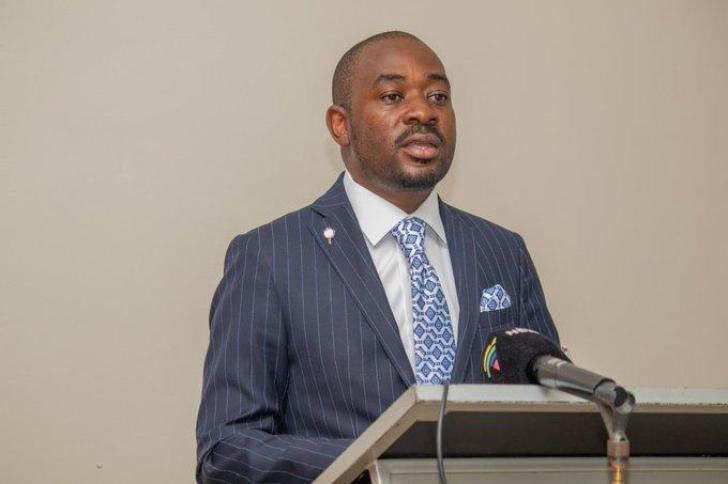
Zimbabwe's main opposition figure Nelson Chamisa has returned to active politics after a two-year hiatus, a move that has triggered mixed reactions, with supporters hailing it as a long-awaited revival of the opposition and critics questioning his motives, strategy and credibility.
Chamisa announced his return on Friday, ending a period of political paralysis that followed his dramatic withdrawal from frontline politics in January 2024. At the time, he cited the infiltration and alleged hijacking of his then Citizens Coalition for Change (CCC), which he claimed had been captured by the ruling Zanu-PF through state institutions and proxies.
For many supporters, his re-emergence represents a "fresh start" and a re-energising moment for an opposition movement that has appeared fragmented and demoralised since the disputed 2023 elections. They say Chamisa's return has electrified his social base and reaffirmed his long-standing commitment to challenging Zanu-PF.
Backers argue that Chamisa has been in the trenches of Zimbabwean politics since the late 1990s, when he emerged as a prominent student leader at Harare Polytechnic and later the University of Zimbabwe under the Zimbabwe National Students Union. To them, his comeback signals resilience and an unwillingness to permanently abandon the struggle.
A supporter, writing on social media, dismissed claims that Chamisa has "never done anything" for Zimbabwe, arguing that he has never wielded state power and therefore cannot be blamed for the country's economic collapse. The supporter said Chamisa's persistence in the face of arrests, intimidation and repeated setbacks deserved recognition, adding that political apathy and failure to vote only entrench the status quo.
However, Chamisa's return has also reignited deep scepticism. Critics argue that his comeback is little more than political theatre — an exercise in "smoke and mirrors" designed to mobilise opposition supporters only to later immobilise them, ultimately benefiting President Emmerson Mnangagwa and Zanu-PF.
Some analysts and opposition activists suggest Chamisa's re-entry is intended to disrupt the newly formed Constitutional Defence Forum (CDF), a coalition created to oppose Mnangagwa's alleged bid to amend the Constitution and extend his rule to 2030 beyond the two-term limit ending in 2028. The CDF includes figures such as Tendai Biti, Jacob Ngarivhume and Jameson Timba, all of whom have had fraught relations with Chamisa in the past.
Critics say Chamisa's stance against the so-called 2030 agenda has been muted, inconsistent and lacking strategic depth. His dismissal of the issue as a "false fight" has been described by some as dangerous, arguing that it underestimates the real risk of constitutional subversion by Mnangagwa and his allies.
Chamisa has launched a new citizens' initiative titled "Agenda 2026 – A Fresh Start", distancing himself from formal party structures while positioning the movement as a platform for renewal. He has described plans to extend Mnangagwa's term as "foolishness" and a "walk in the dark," saying they violate a Constitution that has already been "shredded."
Yet his critics argue that the continued use of what they call "strategic ambiguity" has paralysed mobilisation and previously allowed Zanu-PF to consolidate power, including securing a two-thirds parliamentary majority. They point to reports of some CCC MPs - including those who have openly shown sympathy for Mnangagwa - supporting the deferment of elections to 2030 to allow "developmental projects" to be completed.
Chamisa has also come under fire for his decision to quit politics after the 2023 elections, with detractors accusing him of abandoning voters and elected officials at a critical moment instead of confronting Sengezo Tshabangu and what they describe as a Zanu-PF-sponsored takeover of CCC. While some viewed his resignation as a strategic retreat in the face of overwhelming state pressure, others see it as a costly error that ceded democratic space back to the ruling party.
One critic described Chamisa's return as driven by personal interests rather than a renewed commitment to democratic change, arguing that his explanation for leaving politics - that he stepped aside to give others a chance - was inadequate given the scale of the political project he abandoned.
The same critic said Chamisa's return speech lacked clarity, coherence and concrete proposals, describing it as repetitive, slogan-driven and devoid of timelines or new ideas. Analysts have also raised concerns about the "loosely defined" nature of his new initiative, warning that the absence of clear structures, accountability mechanisms and a constitution could reproduce the internal weaknesses that contributed to the collapse of CCC.
Some analysts argue that Zanu-PF's longevity in power is less about superior ideas and more about the weakness of the alternative. They warn that opposition fragmentation, strategic confusion and growing accusations of secret deals with the ruling party continue to undermine prospects for meaningful political change.
As reactions continue to pour in, Chamisa's return has once again placed him at the centre of Zimbabwe's polarised political discourse, reviving hope among supporters while deepening doubts among critics about whether his comeback marks a genuine reset — or a repetition of old patterns.
Chamisa announced his return on Friday, ending a period of political paralysis that followed his dramatic withdrawal from frontline politics in January 2024. At the time, he cited the infiltration and alleged hijacking of his then Citizens Coalition for Change (CCC), which he claimed had been captured by the ruling Zanu-PF through state institutions and proxies.
For many supporters, his re-emergence represents a "fresh start" and a re-energising moment for an opposition movement that has appeared fragmented and demoralised since the disputed 2023 elections. They say Chamisa's return has electrified his social base and reaffirmed his long-standing commitment to challenging Zanu-PF.
Backers argue that Chamisa has been in the trenches of Zimbabwean politics since the late 1990s, when he emerged as a prominent student leader at Harare Polytechnic and later the University of Zimbabwe under the Zimbabwe National Students Union. To them, his comeback signals resilience and an unwillingness to permanently abandon the struggle.
A supporter, writing on social media, dismissed claims that Chamisa has "never done anything" for Zimbabwe, arguing that he has never wielded state power and therefore cannot be blamed for the country's economic collapse. The supporter said Chamisa's persistence in the face of arrests, intimidation and repeated setbacks deserved recognition, adding that political apathy and failure to vote only entrench the status quo.
However, Chamisa's return has also reignited deep scepticism. Critics argue that his comeback is little more than political theatre — an exercise in "smoke and mirrors" designed to mobilise opposition supporters only to later immobilise them, ultimately benefiting President Emmerson Mnangagwa and Zanu-PF.
Some analysts and opposition activists suggest Chamisa's re-entry is intended to disrupt the newly formed Constitutional Defence Forum (CDF), a coalition created to oppose Mnangagwa's alleged bid to amend the Constitution and extend his rule to 2030 beyond the two-term limit ending in 2028. The CDF includes figures such as Tendai Biti, Jacob Ngarivhume and Jameson Timba, all of whom have had fraught relations with Chamisa in the past.
Critics say Chamisa's stance against the so-called 2030 agenda has been muted, inconsistent and lacking strategic depth. His dismissal of the issue as a "false fight" has been described by some as dangerous, arguing that it underestimates the real risk of constitutional subversion by Mnangagwa and his allies.
Chamisa has launched a new citizens' initiative titled "Agenda 2026 – A Fresh Start", distancing himself from formal party structures while positioning the movement as a platform for renewal. He has described plans to extend Mnangagwa's term as "foolishness" and a "walk in the dark," saying they violate a Constitution that has already been "shredded."
Yet his critics argue that the continued use of what they call "strategic ambiguity" has paralysed mobilisation and previously allowed Zanu-PF to consolidate power, including securing a two-thirds parliamentary majority. They point to reports of some CCC MPs - including those who have openly shown sympathy for Mnangagwa - supporting the deferment of elections to 2030 to allow "developmental projects" to be completed.
Chamisa has also come under fire for his decision to quit politics after the 2023 elections, with detractors accusing him of abandoning voters and elected officials at a critical moment instead of confronting Sengezo Tshabangu and what they describe as a Zanu-PF-sponsored takeover of CCC. While some viewed his resignation as a strategic retreat in the face of overwhelming state pressure, others see it as a costly error that ceded democratic space back to the ruling party.
One critic described Chamisa's return as driven by personal interests rather than a renewed commitment to democratic change, arguing that his explanation for leaving politics - that he stepped aside to give others a chance - was inadequate given the scale of the political project he abandoned.
The same critic said Chamisa's return speech lacked clarity, coherence and concrete proposals, describing it as repetitive, slogan-driven and devoid of timelines or new ideas. Analysts have also raised concerns about the "loosely defined" nature of his new initiative, warning that the absence of clear structures, accountability mechanisms and a constitution could reproduce the internal weaknesses that contributed to the collapse of CCC.
Some analysts argue that Zanu-PF's longevity in power is less about superior ideas and more about the weakness of the alternative. They warn that opposition fragmentation, strategic confusion and growing accusations of secret deals with the ruling party continue to undermine prospects for meaningful political change.
As reactions continue to pour in, Chamisa's return has once again placed him at the centre of Zimbabwe's polarised political discourse, reviving hope among supporters while deepening doubts among critics about whether his comeback marks a genuine reset — or a repetition of old patterns.
Source - online
Join the discussion
Loading comments…





