News / National
Chamisa, opposition veterans clash
28 Jan 2026 at 15:22hrs |
0 Views
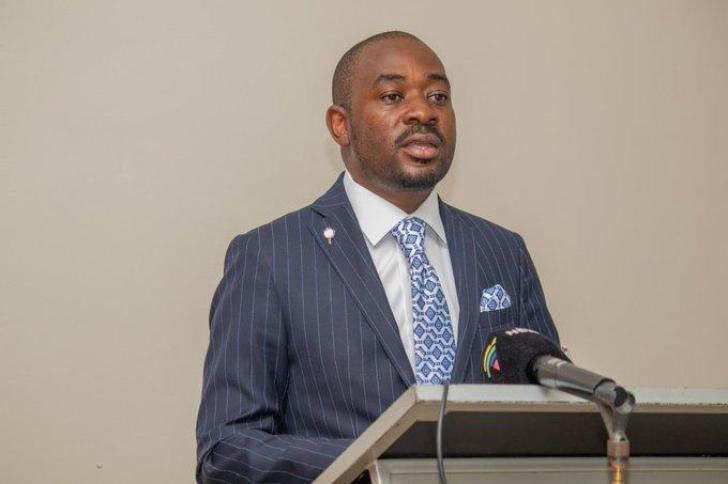
Tensions within Zimbabwe's opposition ranks have intensified as former CCC leader Nelson Chamisa comes head-to-head with Defend the Constitution Platform (DCP) organisers, led by Jameson Timba, over the urgency and approach to counter President Emmerson Mnangagwa's proposed extension of his rule to 2030.
The confrontation pits Chamisa, who returned to active politics on January 23 after a two-year hiatus under what he calls "Agenda 2026," against DCP leaders including Timba, Tendai Biti, Job Sikhala, Munyaradzi Gwisayi, Jacob Ngarivhume, and Obert Masaraure. The rift centres on differing strategies for addressing what DCP describes as "profound constitutional danger" posed by Zanu PF's attempt to amend the constitution to prolong the presidential term.
Chamisa has publicly dismissed the 2030 political manoeuvre as a "Zanu PF sideshow" and argues that the current constitution is effectively nullified due to repeated violations by the ruling party. "The constitution has already been shredded and no longer exists in a functional sense," Chamisa told supporters, questioning whether defending it is even meaningful.
DCP, however, has rejected Chamisa's stance as dangerously reckless. "A constitution does not cease to exist because it is violated," said Ngarivhume. "To declare the constitution a nullity because it has been breached is to reward its violators and to concede that illegality succeeds by repetition."
Jameson Timba reinforced this view, stating that the 2013 Constitution remains Zimbabwe's supreme law and continues to provide the framework for democratic governance, electoral integrity, and civil liberties. "Abandoning the constitution at a moment of crisis is to surrender the reform agenda when it is most threatened," he said.
Gwisayi added that Chamisa's approach overlooks the existential stakes. "We are no longer dealing with a mere Zanu PF resolution. ED2030 represents a frontal attack on the very foundations of the 2013 Constitution and the principle of popular sovereignty," he said.
Analyst Dr Phillan Zamchiya noted that the internal opposition conflict could distract from the larger threat posed by Mnangagwa's proposed amendments. "To defend the country is to defend the constitution. And to defend the constitution is to defend the country. Anything else is political distraction," he said.
Sources within opposition circles suggest the confrontation has grown personal, with DCP accusing Chamisa of seeking to disrupt or co-opt their constitutional defence campaign. The platform launched its initiative on January 17, six days before Chamisa's return, which critics interpret as a symbolic rebuttal.
Chamisa's return aims to establish a broad citizens' movement without formal party structures, a move analysts describe as contradictory and impractical for attaining political power through elections. Some opposition insiders have raised suspicions that his re-emergence may inadvertently benefit Zanu PF by fracturing opposition unity, a claim Chamisa vehemently denies.
As the opposition debate rages, the question of who will effectively lead efforts to safeguard Zimbabwe's constitutional order remains unresolved. While Chamisa champions a symbolic, leader-centric approach, DCP leaders continue to insist on structured, lawful, and institutional methods of defending the 2013 Constitution.
The standoff signals growing fractures within opposition ranks at a critical political juncture, with the 2030 debate serving as both a test of strategy and a reflection of broader challenges facing Zimbabwe's democratic forces.
The confrontation pits Chamisa, who returned to active politics on January 23 after a two-year hiatus under what he calls "Agenda 2026," against DCP leaders including Timba, Tendai Biti, Job Sikhala, Munyaradzi Gwisayi, Jacob Ngarivhume, and Obert Masaraure. The rift centres on differing strategies for addressing what DCP describes as "profound constitutional danger" posed by Zanu PF's attempt to amend the constitution to prolong the presidential term.
Chamisa has publicly dismissed the 2030 political manoeuvre as a "Zanu PF sideshow" and argues that the current constitution is effectively nullified due to repeated violations by the ruling party. "The constitution has already been shredded and no longer exists in a functional sense," Chamisa told supporters, questioning whether defending it is even meaningful.
DCP, however, has rejected Chamisa's stance as dangerously reckless. "A constitution does not cease to exist because it is violated," said Ngarivhume. "To declare the constitution a nullity because it has been breached is to reward its violators and to concede that illegality succeeds by repetition."
Jameson Timba reinforced this view, stating that the 2013 Constitution remains Zimbabwe's supreme law and continues to provide the framework for democratic governance, electoral integrity, and civil liberties. "Abandoning the constitution at a moment of crisis is to surrender the reform agenda when it is most threatened," he said.
Gwisayi added that Chamisa's approach overlooks the existential stakes. "We are no longer dealing with a mere Zanu PF resolution. ED2030 represents a frontal attack on the very foundations of the 2013 Constitution and the principle of popular sovereignty," he said.
Analyst Dr Phillan Zamchiya noted that the internal opposition conflict could distract from the larger threat posed by Mnangagwa's proposed amendments. "To defend the country is to defend the constitution. And to defend the constitution is to defend the country. Anything else is political distraction," he said.
Sources within opposition circles suggest the confrontation has grown personal, with DCP accusing Chamisa of seeking to disrupt or co-opt their constitutional defence campaign. The platform launched its initiative on January 17, six days before Chamisa's return, which critics interpret as a symbolic rebuttal.
Chamisa's return aims to establish a broad citizens' movement without formal party structures, a move analysts describe as contradictory and impractical for attaining political power through elections. Some opposition insiders have raised suspicions that his re-emergence may inadvertently benefit Zanu PF by fracturing opposition unity, a claim Chamisa vehemently denies.
As the opposition debate rages, the question of who will effectively lead efforts to safeguard Zimbabwe's constitutional order remains unresolved. While Chamisa champions a symbolic, leader-centric approach, DCP leaders continue to insist on structured, lawful, and institutional methods of defending the 2013 Constitution.
The standoff signals growing fractures within opposition ranks at a critical political juncture, with the 2030 debate serving as both a test of strategy and a reflection of broader challenges facing Zimbabwe's democratic forces.
Source - online
Join the discussion
Loading comments…


