News / National
Blow for Zimbabwe's 2008 torture victims
28 Jan 2026 at 17:17hrs |
0 Views
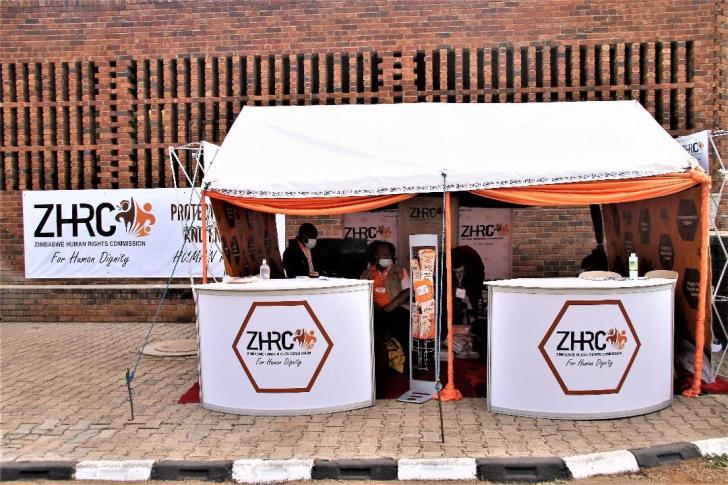
Victims of torture and political violence during Zimbabwe's 2008 runoff election have suffered a double blow after the Zimbabwe Human Rights Commission (ZHRC) declined to investigate the incidents, and the High Court struck the matter off the roll.
The case, brought by human rights organisation Heal Zimbabwe and local resident Hilton Chironga, sought to compel ZHRC to investigate widespread violence in the Chaona area of Mashonaland Central province between May and June 2008, which left hundreds dead or injured.
Represented by former Finance Minister Tendai Biti, the applicants also cited the Minister of Justice, Legal and Parliamentary Affairs, the National Peace and Reconciliation Commission, Parliament, and the Attorney-General as respondents. They argued that the violence constituted gross violations of human rights, including the right to life, the prohibition against torture, and the right to human dignity.
Heal Zimbabwe contended that Section 9(4)(a) of the ZHRC Act, which prevents the Commission from investigating complaints arising before February 13, 2009, was unconstitutional. The organisation argued that the provision violated the Constitution's doctrine of legality, the right to truth and access to information, and the right to equal protection under the law.
ZHRC maintained that it had no authority to investigate events that occurred before February 2009, citing the statutory time limit. Parliament also opposed the application, arguing that the matter was improperly framed and that the applicants lacked the legal standing to bring it before the court.
High Court Judge Justice Maxwell Takuva agreed with Parliament and ZHRC, ruling that the case had been improperly instituted. He noted that Heal Zimbabwe should have filed the application as a class action under Section 85 of the Constitution, which allows citizens to seek enforcement of fundamental rights. Instead, the applicants relied on Section 2 of the Constitution, which provides substantive law but contains no procedural route for enforcing rights.
"The application is improperly before the court in that it should have been brought in terms of section 85(1) of the Constitution instead of section 2 of the Constitution," Justice Takuva said.
As a result, the High Court struck the case off the roll with no order as to costs, effectively closing the door on judicial intervention in this matter for now.
Heal Zimbabwe and other civil society groups have expressed disappointment at the ruling, warning that it underscores the difficulties victims of past political violence face in accessing justice.
The 2008 runoff election in Chaona was marked by intense political violence, with numerous reports of killings, torture, and assaults, leaving scars on the local communities that persist to this day.
The case, brought by human rights organisation Heal Zimbabwe and local resident Hilton Chironga, sought to compel ZHRC to investigate widespread violence in the Chaona area of Mashonaland Central province between May and June 2008, which left hundreds dead or injured.
Represented by former Finance Minister Tendai Biti, the applicants also cited the Minister of Justice, Legal and Parliamentary Affairs, the National Peace and Reconciliation Commission, Parliament, and the Attorney-General as respondents. They argued that the violence constituted gross violations of human rights, including the right to life, the prohibition against torture, and the right to human dignity.
Heal Zimbabwe contended that Section 9(4)(a) of the ZHRC Act, which prevents the Commission from investigating complaints arising before February 13, 2009, was unconstitutional. The organisation argued that the provision violated the Constitution's doctrine of legality, the right to truth and access to information, and the right to equal protection under the law.
ZHRC maintained that it had no authority to investigate events that occurred before February 2009, citing the statutory time limit. Parliament also opposed the application, arguing that the matter was improperly framed and that the applicants lacked the legal standing to bring it before the court.
High Court Judge Justice Maxwell Takuva agreed with Parliament and ZHRC, ruling that the case had been improperly instituted. He noted that Heal Zimbabwe should have filed the application as a class action under Section 85 of the Constitution, which allows citizens to seek enforcement of fundamental rights. Instead, the applicants relied on Section 2 of the Constitution, which provides substantive law but contains no procedural route for enforcing rights.
"The application is improperly before the court in that it should have been brought in terms of section 85(1) of the Constitution instead of section 2 of the Constitution," Justice Takuva said.
As a result, the High Court struck the case off the roll with no order as to costs, effectively closing the door on judicial intervention in this matter for now.
Heal Zimbabwe and other civil society groups have expressed disappointment at the ruling, warning that it underscores the difficulties victims of past political violence face in accessing justice.
The 2008 runoff election in Chaona was marked by intense political violence, with numerous reports of killings, torture, and assaults, leaving scars on the local communities that persist to this day.
Source - Byo24News
Join the discussion
Loading comments…





