News / National
Zimbabwe police stop Gukurahundi genocide memorial
04 Feb 2026 at 05:02hrs |
0 Views
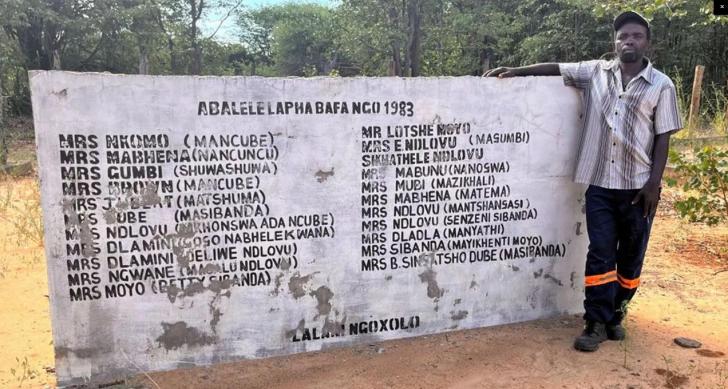
Human rights organisation Ibhetshu Likazulu has accused police in Silobela of blocking a planned community remembrance event for ten local residents who disappeared during the Gukurahundi genocide of the 1980s, describing the move as state-sponsored "genocide denialism" and part of an "orchestrated programme to enforce community amnesia."
The incident took place on January 31, 2026, in Ward 23, KoJackson, where community members had organised a peaceful gathering to honour ten men who disappeared on January 31, 1985. Those remembered were Enoch Mthelo Tshuma, Mbulawa Mnkandla, Simon Siginya Bhozho Dube, Lambert Ncube, Milton Ndlangamandla, Patrick Mthethwa, Dennis Mabhikwa, Mika Kefasi Ndebele, Clement Baleni and Velile Hlongwane. They were husbands, fathers, brothers and sons whose disappearance, according to relatives, remains an open wound for their families decades later.
Ibhetshu Likazulu secretary-general Mbuso Fuzwayo said families of the disappeared and members of the Silobela community had gathered to mark the anniversary of the abductions and to remember those who never returned. The programme was set to include a prayer session, the laying of flowers and a community soccer match, but was halted by police officers.
Fuzwayo condemned the police action, arguing that such community-led acts of remembrance should not require state authorisation. He said activities such as prayers, memorial gestures and games were part of everyday community life and should not be subject to police sanction.
He accused authorities of deliberately suppressing memory to protect those responsible for the atrocities committed during Gukurahundi. According to Fuzwayo, the incident was further evidence that the state was fighting efforts to remember the disappeared and other victims of the genocide, calling it forced forgetting and an attempt to erase history.
Gukurahundi refers to a brutal state-led crackdown in the early 1980s, largely targeting Ndebele-speaking communities, during which an estimated 20,000 civilians were killed by state security forces, including the Fifth Brigade. Fuzwayo said that while government officials have made what he termed "half-hearted" attempts to address the issue, it was troubling that the Midlands region continued to be marginalised in official processes.
He argued that the Midlands bore some of the worst excesses of the Fifth Brigade and other state-linked forces, and that its experience was evidence that the violence was planned and targeted at a specific linguistic and ethnic group. Fuzwayo said the police intervention in Silobela was not genuine law enforcement but political revisionism aimed at sanitising perpetrators while criminalising victims.
He called on progressive forces to strongly condemn what he described as the abuse of state machinery to advance partisan interests and shield alleged perpetrators of genocide and ethnic cleansing.
Political analyst Patrick Ndlovu said the Silobela incident highlighted the unresolved and deeply politicised legacy of Gukurahundi, which remains a sensitive and often forbidden topic in public discourse. He said the events underscored ongoing tension between communities seeking to mourn and memorialise their dead and a state apparatus frequently accused of enforcing silence.
Ndlovu noted that the situation raised fundamental questions about the right to memory, mourning and historical truth in Zimbabwe, particularly in light of official statements suggesting that the government was willing to address Gukurahundi and allow open discussion on the subject.
The incident took place on January 31, 2026, in Ward 23, KoJackson, where community members had organised a peaceful gathering to honour ten men who disappeared on January 31, 1985. Those remembered were Enoch Mthelo Tshuma, Mbulawa Mnkandla, Simon Siginya Bhozho Dube, Lambert Ncube, Milton Ndlangamandla, Patrick Mthethwa, Dennis Mabhikwa, Mika Kefasi Ndebele, Clement Baleni and Velile Hlongwane. They were husbands, fathers, brothers and sons whose disappearance, according to relatives, remains an open wound for their families decades later.
Ibhetshu Likazulu secretary-general Mbuso Fuzwayo said families of the disappeared and members of the Silobela community had gathered to mark the anniversary of the abductions and to remember those who never returned. The programme was set to include a prayer session, the laying of flowers and a community soccer match, but was halted by police officers.
Fuzwayo condemned the police action, arguing that such community-led acts of remembrance should not require state authorisation. He said activities such as prayers, memorial gestures and games were part of everyday community life and should not be subject to police sanction.
He accused authorities of deliberately suppressing memory to protect those responsible for the atrocities committed during Gukurahundi. According to Fuzwayo, the incident was further evidence that the state was fighting efforts to remember the disappeared and other victims of the genocide, calling it forced forgetting and an attempt to erase history.
Gukurahundi refers to a brutal state-led crackdown in the early 1980s, largely targeting Ndebele-speaking communities, during which an estimated 20,000 civilians were killed by state security forces, including the Fifth Brigade. Fuzwayo said that while government officials have made what he termed "half-hearted" attempts to address the issue, it was troubling that the Midlands region continued to be marginalised in official processes.
He argued that the Midlands bore some of the worst excesses of the Fifth Brigade and other state-linked forces, and that its experience was evidence that the violence was planned and targeted at a specific linguistic and ethnic group. Fuzwayo said the police intervention in Silobela was not genuine law enforcement but political revisionism aimed at sanitising perpetrators while criminalising victims.
He called on progressive forces to strongly condemn what he described as the abuse of state machinery to advance partisan interests and shield alleged perpetrators of genocide and ethnic cleansing.
Political analyst Patrick Ndlovu said the Silobela incident highlighted the unresolved and deeply politicised legacy of Gukurahundi, which remains a sensitive and often forbidden topic in public discourse. He said the events underscored ongoing tension between communities seeking to mourn and memorialise their dead and a state apparatus frequently accused of enforcing silence.
Ndlovu noted that the situation raised fundamental questions about the right to memory, mourning and historical truth in Zimbabwe, particularly in light of official statements suggesting that the government was willing to address Gukurahundi and allow open discussion on the subject.
Source - Cite
Join the discussion
Loading comments…





