News / National
US wants Zimbabwe's critical minerals
08 Feb 2026 at 16:50hrs |
0 Views
THE United States has expressed interest in engaging Zimbabwe on "mutually beneficial supply chain transactions" as Washington intensifies efforts to secure critical minerals essential to manufacturing and national security.
The renewed overtures come in the wake of the launch of "Project Vault", a US$12 billion initiative unveiled by President Donald Trump's administration and aimed at stockpiling strategic minerals. Political analysts say the programme highlights the growing global competition for resources considered vital to economic stability and defence.
Announcing the initiative, President Trump said the stockpile would "ensure that American businesses and workers are never harmed by any shortages", underscoring the strategic importance Washington now places on securing reliable mineral supply chains.
The scramble for critical minerals has inevitably turned attention to mineral-rich countries such as Zimbabwe. In a post on its X account, the United States Embassy in Harare said Washington was broadening its sourcing options worldwide.
"The United States is diversifying its sources for critical minerals around the world," the embassy said. "We are ready to engage with Zimbabwe on mutually beneficial supply chain transactions."
Zimbabwe holds a strategic position in the global minerals market. It is Africa's largest producer of lithium, possesses the world's sixth-largest lithium reserves and has set its sights on supplying up to 20 percent of global demand for the mineral. Lithium is a key component in electric vehicle batteries and renewable energy storage systems.
In addition to lithium, Zimbabwe has the world's second-largest reserves of platinum group metals (PGMs), hosts 17 types of rare earth minerals and is a significant producer of chrome, nickel and iron.
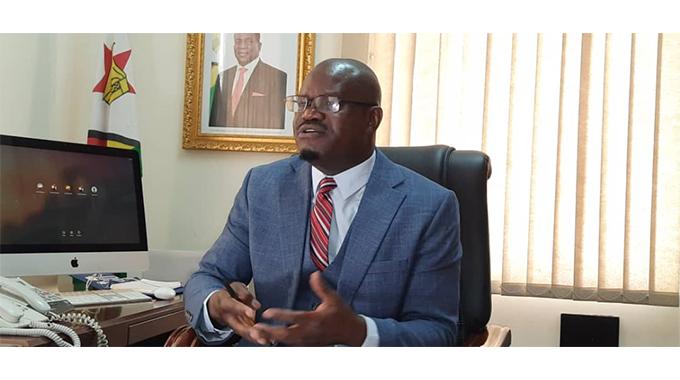
Permanent Secretary in the Ministry of Information, Publicity and Broadcasting Services, Mr Nick Mangwana, told The Sunday Mail that Zimbabwe was prepared to engage Washington on the matter through established diplomatic and economic channels.
"The Government, through the Ministry of Foreign Affairs and International Trade and relevant line ministries, stands ready to receive further details and to engage in substantive discussions that align with these principles," he said.
Mr Mangwana said Zimbabwe was open to cooperation with all nations, provided partnerships were anchored on mutual benefit and respect. He described the interest shown by the United States as a potential opportunity for both countries.
He emphasised that any engagement must advance Zimbabwe's national interest and contribute to improving the livelihoods of its citizens.
"We welcome any relationship — whether in business, trade or manufacturing — that is founded on mutual respect, mutual benefit and contributes to the sustainable development of Zimbabwe," he said. "In this context, we view the expressed interest in diversifying sources for critical minerals as a potential opportunity."
Zimbabwe, he added, was open to transparent, fair and structured engagements that promote value addition, technology transfer and job creation.
"Our position remains clear and consistent: Zimbabwe is a friend to all and an enemy to none," Mr Mangwana said. "The cornerstone of our foreign policy and re-engagement strategy is to restore and strengthen relations that may have faltered in the past, and to actively explore new partnerships, with the singular goal of advancing our national interest."
Analysts say Zimbabwe's mineral endowment places it at the centre of intensifying global competition for strategic resources. Economist Mr Persistence Gwanyanya said the United States' push to reduce reliance on China for rare earth minerals and other critical inputs was forcing Washington to look elsewhere, particularly to Africa.
"As the US weaponises sanctions and tariffs, it becomes difficult for it to continue to overly rely on China for rare earth and other minerals," he said. "This will see the US looking elsewhere, especially in Africa, for these minerals, which are important for the automobile industry, technology firms and other manufacturers."
He described the US$12 billion allocation to Project Vault as a clear signal of the urgency with which Washington is seeking to secure alternative supply chains.
Political analyst Mr Kudzai Mutisi said the US interest in Zimbabwe was evidence of the country's growing strategic relevance in the current geopolitical climate.
"We are now facing a scramble for critical minerals from both the West and the East," he said. "Since minerals are finite resources and only available in certain regions, countries like Zimbabwe have a strategic advantage. As the scramble heats up, demand will rise, and so will prices."
Mr Mutisi also stressed the importance of Zimbabwe developing its own strategic mineral stockpiles to maximise long-term national benefit amid rising global demand.
The renewed overtures come in the wake of the launch of "Project Vault", a US$12 billion initiative unveiled by President Donald Trump's administration and aimed at stockpiling strategic minerals. Political analysts say the programme highlights the growing global competition for resources considered vital to economic stability and defence.
Announcing the initiative, President Trump said the stockpile would "ensure that American businesses and workers are never harmed by any shortages", underscoring the strategic importance Washington now places on securing reliable mineral supply chains.
The scramble for critical minerals has inevitably turned attention to mineral-rich countries such as Zimbabwe. In a post on its X account, the United States Embassy in Harare said Washington was broadening its sourcing options worldwide.
"The United States is diversifying its sources for critical minerals around the world," the embassy said. "We are ready to engage with Zimbabwe on mutually beneficial supply chain transactions."
Zimbabwe holds a strategic position in the global minerals market. It is Africa's largest producer of lithium, possesses the world's sixth-largest lithium reserves and has set its sights on supplying up to 20 percent of global demand for the mineral. Lithium is a key component in electric vehicle batteries and renewable energy storage systems.
In addition to lithium, Zimbabwe has the world's second-largest reserves of platinum group metals (PGMs), hosts 17 types of rare earth minerals and is a significant producer of chrome, nickel and iron.
Permanent Secretary in the Ministry of Information, Publicity and Broadcasting Services, Mr Nick Mangwana, told The Sunday Mail that Zimbabwe was prepared to engage Washington on the matter through established diplomatic and economic channels.
"The Government, through the Ministry of Foreign Affairs and International Trade and relevant line ministries, stands ready to receive further details and to engage in substantive discussions that align with these principles," he said.
Mr Mangwana said Zimbabwe was open to cooperation with all nations, provided partnerships were anchored on mutual benefit and respect. He described the interest shown by the United States as a potential opportunity for both countries.
He emphasised that any engagement must advance Zimbabwe's national interest and contribute to improving the livelihoods of its citizens.
"We welcome any relationship — whether in business, trade or manufacturing — that is founded on mutual respect, mutual benefit and contributes to the sustainable development of Zimbabwe," he said. "In this context, we view the expressed interest in diversifying sources for critical minerals as a potential opportunity."
Zimbabwe, he added, was open to transparent, fair and structured engagements that promote value addition, technology transfer and job creation.
"Our position remains clear and consistent: Zimbabwe is a friend to all and an enemy to none," Mr Mangwana said. "The cornerstone of our foreign policy and re-engagement strategy is to restore and strengthen relations that may have faltered in the past, and to actively explore new partnerships, with the singular goal of advancing our national interest."
Analysts say Zimbabwe's mineral endowment places it at the centre of intensifying global competition for strategic resources. Economist Mr Persistence Gwanyanya said the United States' push to reduce reliance on China for rare earth minerals and other critical inputs was forcing Washington to look elsewhere, particularly to Africa.
"As the US weaponises sanctions and tariffs, it becomes difficult for it to continue to overly rely on China for rare earth and other minerals," he said. "This will see the US looking elsewhere, especially in Africa, for these minerals, which are important for the automobile industry, technology firms and other manufacturers."
He described the US$12 billion allocation to Project Vault as a clear signal of the urgency with which Washington is seeking to secure alternative supply chains.
Political analyst Mr Kudzai Mutisi said the US interest in Zimbabwe was evidence of the country's growing strategic relevance in the current geopolitical climate.
"We are now facing a scramble for critical minerals from both the West and the East," he said. "Since minerals are finite resources and only available in certain regions, countries like Zimbabwe have a strategic advantage. As the scramble heats up, demand will rise, and so will prices."
Mr Mutisi also stressed the importance of Zimbabwe developing its own strategic mineral stockpiles to maximise long-term national benefit amid rising global demand.
Source - the herald
Join the discussion
Loading comments…





