News / National
Zimbabwe faces Constitutional storm
11 Feb 2026 at 22:11hrs |
0 Views
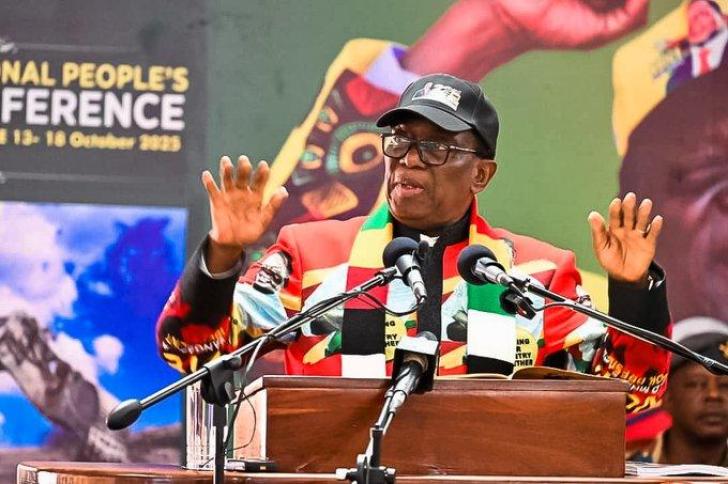
Zimbabwe is heading towards a potential constitutional impasse after Cabinet approved the Constitutional Amendment No. 3 Bill of 2026, which seeks to extend President Emmerson Mnangagwa's tenure to 2030 and introduce sweeping changes to the country's governance framework.
The Bill proposes extending both presidential and parliamentary terms from five to seven years and replacing the popular election of the President with a parliamentary vote.
If enacted, Clause 2 of the Bill would repeal Section 92 of the Constitution, removing the requirement for direct presidential elections. Instead, the President would be elected by Parliament in a process overseen by the Chief Justice or a designated judge.
Information, Publicity and Broadcasting Services Minister Dr Jenfan Muswere said the proposed amendments are aimed at strengthening constitutional governance, clarifying institutional roles and promoting political and socio-economic stability.
"It specifies that a candidate must secure a majority of votes and if no one achieves an absolute majority, a run-off election will be held. The process is overseen by the Chief Justice or a designated judge to ensure it is conducted properly," Muswere said during a post-Cabinet media briefing.
He described the reforms as part of Zimbabwe's ongoing legal evolution, intended to refine and modernise constitutional provisions in response to governance experience and developmental imperatives.
The Bill also proposes the establishment of a new Zimbabwe Electoral Delimitation Commission, transferring the function of setting electoral boundaries from the Zimbabwe Electoral Commission (ZEC).
Justice Minister Ziyambi Ziyambi confirmed that the Bill would be forwarded to the Attorney-General's Office before being tabled in Parliament. He said public consultations would be conducted and parliamentary committees would compile reports prior to formal introduction.
However, the proposals have sparked fierce backlash from constitutional lawyers, civil society organisations and opposition leaders, who argue that the changes amount to an unconstitutional consolidation of executive power.
Prominent lawyer and former Cabinet minister Tendai Biti dismissed the Bill as "ridiculous," while political analyst Ibbo Mandaza warned that bypassing a referendum on such sweeping constitutional changes would be unconstitutional.
"Their efforts will not succeed and let them take that Bill to the referendum and see how much they are going to fail," Mandaza said.
Senior lawyer Thabani Mpofu accused Zanu-PF of attempting to impose a new constitutional order without adequate public participation.
"A Constitution is enacted by the people as a whole, not by a single political party or faction," Mpofu wrote on social media, arguing that the ruling party lacks a legitimate popular mandate to effect such changes unilaterally.
The Defend the Constitution Platform, convened by Senator Jameson Timba, described Cabinet's move as a decisive and dangerous constitutional moment.
"Any constitutional amendment that affects presidential tenure directly implicates the sovereign right of the people. Such changes cannot lawfully be effected by Parliament alone," Timba said in a statement.
He further warned that the timing of the move was troubling, noting that it came shortly after the Constitutional Court granted direct access in a challenge related to Resolution 1 of 2024, with expedited timelines due to the gravity of the issues raised.
"Attempting to fast-track constitutional change through Cabinet and Parliament while a live constitutional matter is before the Constitutional Court risks undermining constitutional restraint and eroding public confidence in institutions," Timba said.
Biti's Constitution Defenders Forum said the country was at a "historic crossroads," warning that the proposed amendments signal a shift away from constitutional democracy.
"These proposals represent a clear violation of the spirit, letter and intent of the 2013 Constitution, which was authored and approved by the people of Zimbabwe," the forum said. "The Constitution is not a political inconvenience. It is a social contract."
With Parliament expected to debate the Bill in the coming weeks, Zimbabwe appears set for a heated national conversation over the future of its constitutional order and the balance of power between citizens and the State.
The Bill proposes extending both presidential and parliamentary terms from five to seven years and replacing the popular election of the President with a parliamentary vote.
If enacted, Clause 2 of the Bill would repeal Section 92 of the Constitution, removing the requirement for direct presidential elections. Instead, the President would be elected by Parliament in a process overseen by the Chief Justice or a designated judge.
Information, Publicity and Broadcasting Services Minister Dr Jenfan Muswere said the proposed amendments are aimed at strengthening constitutional governance, clarifying institutional roles and promoting political and socio-economic stability.
"It specifies that a candidate must secure a majority of votes and if no one achieves an absolute majority, a run-off election will be held. The process is overseen by the Chief Justice or a designated judge to ensure it is conducted properly," Muswere said during a post-Cabinet media briefing.
He described the reforms as part of Zimbabwe's ongoing legal evolution, intended to refine and modernise constitutional provisions in response to governance experience and developmental imperatives.
The Bill also proposes the establishment of a new Zimbabwe Electoral Delimitation Commission, transferring the function of setting electoral boundaries from the Zimbabwe Electoral Commission (ZEC).
Justice Minister Ziyambi Ziyambi confirmed that the Bill would be forwarded to the Attorney-General's Office before being tabled in Parliament. He said public consultations would be conducted and parliamentary committees would compile reports prior to formal introduction.
However, the proposals have sparked fierce backlash from constitutional lawyers, civil society organisations and opposition leaders, who argue that the changes amount to an unconstitutional consolidation of executive power.
Prominent lawyer and former Cabinet minister Tendai Biti dismissed the Bill as "ridiculous," while political analyst Ibbo Mandaza warned that bypassing a referendum on such sweeping constitutional changes would be unconstitutional.
"Their efforts will not succeed and let them take that Bill to the referendum and see how much they are going to fail," Mandaza said.
Senior lawyer Thabani Mpofu accused Zanu-PF of attempting to impose a new constitutional order without adequate public participation.
"A Constitution is enacted by the people as a whole, not by a single political party or faction," Mpofu wrote on social media, arguing that the ruling party lacks a legitimate popular mandate to effect such changes unilaterally.
The Defend the Constitution Platform, convened by Senator Jameson Timba, described Cabinet's move as a decisive and dangerous constitutional moment.
"Any constitutional amendment that affects presidential tenure directly implicates the sovereign right of the people. Such changes cannot lawfully be effected by Parliament alone," Timba said in a statement.
He further warned that the timing of the move was troubling, noting that it came shortly after the Constitutional Court granted direct access in a challenge related to Resolution 1 of 2024, with expedited timelines due to the gravity of the issues raised.
"Attempting to fast-track constitutional change through Cabinet and Parliament while a live constitutional matter is before the Constitutional Court risks undermining constitutional restraint and eroding public confidence in institutions," Timba said.
Biti's Constitution Defenders Forum said the country was at a "historic crossroads," warning that the proposed amendments signal a shift away from constitutional democracy.
"These proposals represent a clear violation of the spirit, letter and intent of the 2013 Constitution, which was authored and approved by the people of Zimbabwe," the forum said. "The Constitution is not a political inconvenience. It is a social contract."
With Parliament expected to debate the Bill in the coming weeks, Zimbabwe appears set for a heated national conversation over the future of its constitutional order and the balance of power between citizens and the State.
Source - Newsday
Join the discussion
Loading comments…




