News / National
Chamisa, Timba camp clash over 2030 Agenda
11 Feb 2026 at 22:35hrs |
0 Views
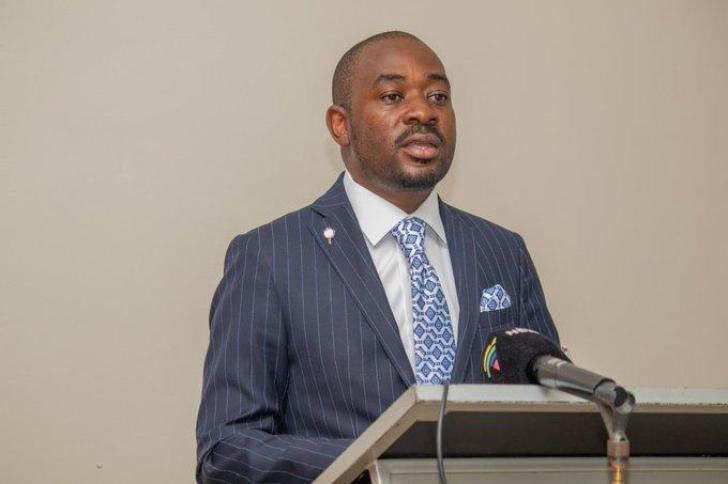
Tensions within Zimbabwe's opposition ranks are escalating, with sharp exchanges emerging between Nelson Chamisa and veteran opposition figures aligned to the Defend the Constitution Platform convened by Senator Jameson Timba.
The dispute centres on how to confront President Emmerson Mnangagwa's controversial Constitutional Amendment (No. 3) Bill of 2026 and the broader 2030 term extension agenda. However, analysts say the clash reflects a deeper struggle over strategy, leadership and the future direction of the opposition.
Chamisa, who recently returned to active politics after a two-year hiatus, has dismissed the 2030 constitutional reform push as a "sideshow" and "reckless political theatre," arguing that it distracts from what he views as the root cause of Zimbabwe's political crisis — disputed elections and lack of legitimacy.
He has instead promoted what he calls "Agenda 2026," which he says seeks to resolve what he terms a "broken constitutional order" and lay the groundwork for a new political direction.
Recently, Chamisa described the 2030 bid as a dangerous path "destined to fail" and questioned whether there is still a constitution left to defend, suggesting that the country's legal framework has already been compromised.
In a social media post on Wednesday, apparently directed at his critics, Chamisa wrote: "THE HEART OF THE CRISIS … Fight we must, but which fight? Fellow citizens, let's address the root problem once and for all. Zimbabwe needs and deserves a fairly and credibly chosen Citizens Government. An inclusive government from the citizens, by the citizens and for the citizens.
"If someone steals your car and drives off, and later you find them in a garage changing the wheels, is your battle truly about the wheels, or about reclaiming your car and taking back what was yours all along?"
The remarks have drawn sharp criticism from Timba and his allies, who include Tendai Biti, Munyaradzi Gwisayi, Jacob Ngarivhume, Job Sikhala, Obert Masaraure and other opposition veterans.
They argue that dismissing the constitutional amendments as a distraction underestimates the gravity of the proposed changes, which would alter the structure of presidential elections, extend terms of office and reshape key governance institutions.
A Timba ally said Chamisa's stance risked trivialising what they describe as a "constitutional coup."
"When a constitution, which is the supreme law of the land and the basis upon which elections are held, is being mutilated, it cannot be a sideshow," the ally said. "It is not simply about Zanu PF factionalism or succession; it is about governance, policy and leadership."
The ally added that reducing Zimbabwe's crisis to disputed elections alone was "ridiculous," arguing that the problem extends to broader governance and constitutional issues.
Timba's camp has also accused Chamisa of deliberately diverting attention from the 2030 agenda, alleging that his position indirectly benefits the ruling party. Chamisa has not responded directly to the accusations of collusion.
The emerging rift pits Chamisa and a group of younger political figures aligned to his yet-to-be-named movement against seasoned opposition leaders who have repositioned themselves around a constitutional defence platform.
Political observers say the division leaves the opposition more fragmented at a time when the ruling Zanu PF is pushing through significant constitutional changes in Parliament.
With both camps digging in, the battle over strategy — whether to focus primarily on electoral legitimacy or constitutional reform — now threatens to reshape the opposition landscape ahead of the next electoral cycle.
The dispute centres on how to confront President Emmerson Mnangagwa's controversial Constitutional Amendment (No. 3) Bill of 2026 and the broader 2030 term extension agenda. However, analysts say the clash reflects a deeper struggle over strategy, leadership and the future direction of the opposition.
Chamisa, who recently returned to active politics after a two-year hiatus, has dismissed the 2030 constitutional reform push as a "sideshow" and "reckless political theatre," arguing that it distracts from what he views as the root cause of Zimbabwe's political crisis — disputed elections and lack of legitimacy.
He has instead promoted what he calls "Agenda 2026," which he says seeks to resolve what he terms a "broken constitutional order" and lay the groundwork for a new political direction.
Recently, Chamisa described the 2030 bid as a dangerous path "destined to fail" and questioned whether there is still a constitution left to defend, suggesting that the country's legal framework has already been compromised.
In a social media post on Wednesday, apparently directed at his critics, Chamisa wrote: "THE HEART OF THE CRISIS … Fight we must, but which fight? Fellow citizens, let's address the root problem once and for all. Zimbabwe needs and deserves a fairly and credibly chosen Citizens Government. An inclusive government from the citizens, by the citizens and for the citizens.
"If someone steals your car and drives off, and later you find them in a garage changing the wheels, is your battle truly about the wheels, or about reclaiming your car and taking back what was yours all along?"
The remarks have drawn sharp criticism from Timba and his allies, who include Tendai Biti, Munyaradzi Gwisayi, Jacob Ngarivhume, Job Sikhala, Obert Masaraure and other opposition veterans.
A Timba ally said Chamisa's stance risked trivialising what they describe as a "constitutional coup."
"When a constitution, which is the supreme law of the land and the basis upon which elections are held, is being mutilated, it cannot be a sideshow," the ally said. "It is not simply about Zanu PF factionalism or succession; it is about governance, policy and leadership."
The ally added that reducing Zimbabwe's crisis to disputed elections alone was "ridiculous," arguing that the problem extends to broader governance and constitutional issues.
Timba's camp has also accused Chamisa of deliberately diverting attention from the 2030 agenda, alleging that his position indirectly benefits the ruling party. Chamisa has not responded directly to the accusations of collusion.
The emerging rift pits Chamisa and a group of younger political figures aligned to his yet-to-be-named movement against seasoned opposition leaders who have repositioned themselves around a constitutional defence platform.
Political observers say the division leaves the opposition more fragmented at a time when the ruling Zanu PF is pushing through significant constitutional changes in Parliament.
With both camps digging in, the battle over strategy — whether to focus primarily on electoral legitimacy or constitutional reform — now threatens to reshape the opposition landscape ahead of the next electoral cycle.
Source - online
Join the discussion
Loading comments…





