News / National
Mutsvangwa's Geza bombshell splits Zanu-PF
12 Feb 2026 at 08:48hrs |
0 Views
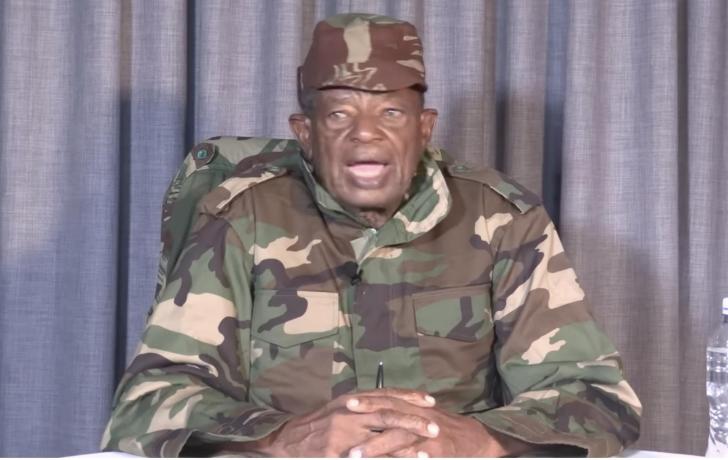
Zanu-PF spokesperson Christopher Mutsvangwa has ignited fierce debate within ruling party structures after calling for the late war veteran Blessed Runesu Geza to be accorded national hero status, despite his recent fallout with President Emmerson Mnangagwa's administration.
Geza, an outspoken liberation war fighter who later became a sharp critic of Mnangagwa, died at a hospital in South Africa last Friday. He had gone into self-imposed exile after reportedly skipping the border while police were seeking to arrest him over his calls for mass demonstrations against what he termed the Zanu-PF "2030 agenda".
At the time of his death, Geza was facing treason charges linked to protests that caused widespread disruptions across the country. More than a dozen activists arrested in connection with the demonstrations remain in custody.
Despite the controversy surrounding Geza's final months, Mutsvangwa told a local publication that the former central committee member deserved recognition for his role in the liberation struggle that led to Zimbabwe's independence in 1980.
He reportedly argued that Geza's attacks on Mnangagwa may have been influenced by deteriorating health, suggesting the late war veteran was not thinking clearly at the time.
The remarks have reportedly divided opinion within Zanu-PF and its affiliates, exposing simmering tensions over how to interpret Geza's legacy — as a liberation stalwart or a political renegade.
An organisation aligned to the ruling party, the Movement for Economic Freedom (MEF), has publicly rejected Mutsvangwa's position, insisting that Geza's actions disqualify him from national hero status.
In an interview yesterday, MEF national chairperson Agripa Guti said the youth-driven affiliate did not support the proposal.
"We respect Christopher Mutsvangwa's opinion, but as patriotic youth advocating for Vision 2030, we do not agree that Geza should be a national hero," said Guti.
"His actions calling for illegal demonstrations to remove a constitutionally-elected President contradict the liberation values we once fought for.
"Let us uphold principles of democracy and rule of law. National hero status should reflect integrity and alignment with current national values and we urge a balanced consideration of his legacy."
Guti added that while Geza contributed to the liberation war, his recent political conduct overshadowed that record in the eyes of the organisation.
"As a patriotic youth movement that is in full support of Vision 2030, we are not mourning Blessed Geza despite his contribution in the war. Just like any other, his recent efforts undermining our President, destabilising the country and trying to remove a constitutionally-elected government is our main reason," he said.
He further described Geza as a "distraction" to national development efforts, claiming that those he allegedly attacked and labelled zvigananda were the same individuals driving the Vision 2030 agenda.
MEF describes itself as a national youth-driven organisation committed to supporting Mnangagwa and the Vision 2030 agenda by championing development, unity and national pride.
Under Zimbabwe's tradition, national hero status is conferred by the ruling party's politburo, often reflecting both liberation war credentials and contemporary political considerations.
With divisions now surfacing publicly, the debate over Geza's legacy appears set to test Zanu-PF's internal cohesion — and its interpretation of loyalty, dissent and liberation history.
Geza, an outspoken liberation war fighter who later became a sharp critic of Mnangagwa, died at a hospital in South Africa last Friday. He had gone into self-imposed exile after reportedly skipping the border while police were seeking to arrest him over his calls for mass demonstrations against what he termed the Zanu-PF "2030 agenda".
At the time of his death, Geza was facing treason charges linked to protests that caused widespread disruptions across the country. More than a dozen activists arrested in connection with the demonstrations remain in custody.
Despite the controversy surrounding Geza's final months, Mutsvangwa told a local publication that the former central committee member deserved recognition for his role in the liberation struggle that led to Zimbabwe's independence in 1980.
He reportedly argued that Geza's attacks on Mnangagwa may have been influenced by deteriorating health, suggesting the late war veteran was not thinking clearly at the time.
The remarks have reportedly divided opinion within Zanu-PF and its affiliates, exposing simmering tensions over how to interpret Geza's legacy — as a liberation stalwart or a political renegade.
An organisation aligned to the ruling party, the Movement for Economic Freedom (MEF), has publicly rejected Mutsvangwa's position, insisting that Geza's actions disqualify him from national hero status.
In an interview yesterday, MEF national chairperson Agripa Guti said the youth-driven affiliate did not support the proposal.
"We respect Christopher Mutsvangwa's opinion, but as patriotic youth advocating for Vision 2030, we do not agree that Geza should be a national hero," said Guti.
"His actions calling for illegal demonstrations to remove a constitutionally-elected President contradict the liberation values we once fought for.
"Let us uphold principles of democracy and rule of law. National hero status should reflect integrity and alignment with current national values and we urge a balanced consideration of his legacy."
Guti added that while Geza contributed to the liberation war, his recent political conduct overshadowed that record in the eyes of the organisation.
"As a patriotic youth movement that is in full support of Vision 2030, we are not mourning Blessed Geza despite his contribution in the war. Just like any other, his recent efforts undermining our President, destabilising the country and trying to remove a constitutionally-elected government is our main reason," he said.
He further described Geza as a "distraction" to national development efforts, claiming that those he allegedly attacked and labelled zvigananda were the same individuals driving the Vision 2030 agenda.
MEF describes itself as a national youth-driven organisation committed to supporting Mnangagwa and the Vision 2030 agenda by championing development, unity and national pride.
Under Zimbabwe's tradition, national hero status is conferred by the ruling party's politburo, often reflecting both liberation war credentials and contemporary political considerations.
With divisions now surfacing publicly, the debate over Geza's legacy appears set to test Zanu-PF's internal cohesion — and its interpretation of loyalty, dissent and liberation history.
Source - newsday
Join the discussion
Loading comments…


