News / National
Chamisa evokes Tsvangirai's bruised legacy
15 Feb 2026 at 07:30hrs |
0 Views
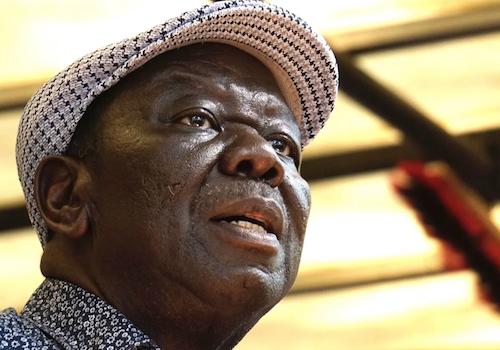
OPPOSITION politician Nelson Chamisa has paid tribute to his late political mentor Morgan Tsvangirai, recalling what he described as scars of persecution, betrayal and "constitutional mutilation" that continue to haunt Zimbabwe's democratic struggle.
The 48-year-old former Citizens Coalition for Change (CCC) leader warned that proposed alterations to the supreme law threaten to tip Zimbabwe into full-blown dictatorship - the very scourge Tsvangirai battled for years under former President Robert Mugabe.
Tsvangirai, the founding leader of the Movement for Democratic Change (MDC), succumbed to colon cancer on February 14, 2018. His death marked the end of an era for Zimbabwe's opposition movement, which he had steered from its birth in 1999 as a trade union-driven challenge to Zanu-PF's political dominance.
As Prime Minister in the uneasy Government of National Unity (GNU) between 2009 and 2013, Tsvangirai occupied a delicate office forged out of disputed elections and regional mediation. To supporters, he was a doyen of democracy; to critics, a reluctant partner in a fragile compromise. Yet few dispute that he spent nearly two decades locked in bruising political combat with Mugabe and Zanu-PF's long-standing ambition to entrench a de facto one-party state.
In 2000, Tsvangirai led the campaign against a proposed constitutional overhaul widely seen as a vehicle to consolidate executive power. The draft was rejected in a historic referendum - the first major electoral defeat for Zanu-PF since independence - setting the tone for a protracted struggle over Zimbabwe's constitutional order. It is a battle, Chamisa argues, that has returned with renewed force 26 years later under President Emmerson Mnangagwa.
In a statement commemorating Tsvangirai on the anniversary of his death, Chamisa bemoaned fresh attempts to amend the Constitution after Cabinet last week approved principles of Constitutional Amendment Bill No. 3. The proposals, he said, seek to dilute citizens' direct say in presidential elections and extend term limits from five to seven years.
"Now they go further still seeking to shred what remains of the Constitution. They propose to end the direct election of the President, to unlawfully extend terms, and to impose unilateral, anti-citizen electoral changes," Chamisa said.
The proposed changes have also drawn fire from constitutional scholars. Professor Lovemore Madhuku, leader of the National Constitutional Assembly and a long-time critic of executive overreach, has described the mooted amendments as outright nonsense, arguing that they strike at the heart of the 2013 Constitution, itself born of years of negotiation during the GNU.
For Chamisa, the moment is as much personal as it is political. He rose through the MDC ranks as one of Tsvangirai's most trusted lieutenants, serving as party spokesperson and later as one of the vice-presidents appointed in 2016. When Tsvangirai died, Chamisa — then in his early 40s - assumed leadership of the MDC Alliance and carried the opposition banner into the fiercely contested 2018 elections.
He insists that, unlike some former colleagues whom he accuses of succumbing to inducements from Zanu-PF, he remains guided by the lessons of his late mentor.
"As we did before, we will not compromise away the will of the citizens. As you taught us: even if persecuted, never retaliate in hatred; never betray the people. Hatiputsi Sungano. Tiri pachirangano," Chamisa said.
He alleged that Zanu-PF has invested heavily in destabilising the opposition, directly funding divisions within the democratic movement.
"They have paid some among us to sow division and undermine leadership. Millions have been poured into bribery and manipulation - more, it seems, than is allocated to health or education," he said.
Indeed, the post-Tsvangirai era has been marked by fragmentation. After taking the reins in 2018, Chamisa mounted a formidable challenge against Mnangagwa, narrowly losing in a result he contested at the Constitutional Court. In 2022, he rebranded his movement as the Citizens Coalition for Change (CCC), an experiment in what he termed "strategic ambiguity", designed to outmanoeuvre state infiltration.
In the disputed 2023 elections, the CCC prevented Zanu-PF from easily securing a two-thirds parliamentary majority, despite widespread criticism of the Zimbabwe Electoral Commission (ZEC) over delays and logistical failures in opposition strongholds. Yet the party was soon plunged into turmoil, with self-proclaimed interim secretary-general Sengezo Tshabangu recalling CCC legislators from Parliament - a move Chamisa's supporters described as a Trojan horse operation engineered to hollow out the opposition from within.
Against that turbulent backdrop, Chamisa cast himself in Tsvangirai's mould: embattled yet unbowed. He said Zimbabwe's political climate remains characterised by violence against dissenters and entrenched electoral manipulation.
"They continue to rig elections, enforce command voting, and unleash violence in rural communities. Food remains a political weapon. Citizens are punished for holding different views.
"A young man, Madzibaba Veshanduko, sits in prison because of his politics. They have hired and funded trolls to spread lies and misinformation, seeking to tarnish my name. Their machinery of propaganda is well-resourced and relentless," he said.
Tsvangirai himself survived numerous assaults and arrests during Mugabe's rule. In 2007 he was brutally beaten in police custody, images that ricocheted around the world. In 2009, while serving as Prime Minister, he was involved in a car crash that claimed the life of his wife, Susan - an incident that deepened the sense of a leader navigating politics on a knife's edge.
Chamisa claims he is now enduring similar perils.
"There have been repeated attempts on my life - near-fatal incidents in Mutare, Nyanga, Nemanwa and at the Chivi turnoff; narrow escapes in Chiredzi and Zaka; and the Hurungwe assassination plot I survived.
"In Binga, I walked for kilometres to evade militia roadblocks. In Guruve, I rode a motorbike to slip past barricades. In Zaka, I lay hidden in the boot of a car while they sang Chimurenga songs at their checkpoints," Chamisa said.
He further alleges that, even after what he describes as the hijacking of his party, Zanu-PF has continued to pursue him through proxies, including recent legal action accusing him of abusing resources from well-wishers - claims his allies dismiss as harassment.
Political analysts say the renewed push for constitutional amendments signals more than routine legal tinkering. Rather, it reflects deep anxieties within the ruling establishment about a still-potent opposition figure whose appeal cuts across generational and geographic lines.
For Chamisa, invoking Tsvangirai is both remembrance and rallying cry. The struggle over Zimbabwe's Constitution, he suggests, is not merely a legal debate but the latest chapter in a long war of attrition — one that began in the referendum trenches of 2000 and, like an old wound reopened, continues to shape the country's contested democracy.
The 48-year-old former Citizens Coalition for Change (CCC) leader warned that proposed alterations to the supreme law threaten to tip Zimbabwe into full-blown dictatorship - the very scourge Tsvangirai battled for years under former President Robert Mugabe.
Tsvangirai, the founding leader of the Movement for Democratic Change (MDC), succumbed to colon cancer on February 14, 2018. His death marked the end of an era for Zimbabwe's opposition movement, which he had steered from its birth in 1999 as a trade union-driven challenge to Zanu-PF's political dominance.
As Prime Minister in the uneasy Government of National Unity (GNU) between 2009 and 2013, Tsvangirai occupied a delicate office forged out of disputed elections and regional mediation. To supporters, he was a doyen of democracy; to critics, a reluctant partner in a fragile compromise. Yet few dispute that he spent nearly two decades locked in bruising political combat with Mugabe and Zanu-PF's long-standing ambition to entrench a de facto one-party state.
In 2000, Tsvangirai led the campaign against a proposed constitutional overhaul widely seen as a vehicle to consolidate executive power. The draft was rejected in a historic referendum - the first major electoral defeat for Zanu-PF since independence - setting the tone for a protracted struggle over Zimbabwe's constitutional order. It is a battle, Chamisa argues, that has returned with renewed force 26 years later under President Emmerson Mnangagwa.
In a statement commemorating Tsvangirai on the anniversary of his death, Chamisa bemoaned fresh attempts to amend the Constitution after Cabinet last week approved principles of Constitutional Amendment Bill No. 3. The proposals, he said, seek to dilute citizens' direct say in presidential elections and extend term limits from five to seven years.
"Now they go further still seeking to shred what remains of the Constitution. They propose to end the direct election of the President, to unlawfully extend terms, and to impose unilateral, anti-citizen electoral changes," Chamisa said.
The proposed changes have also drawn fire from constitutional scholars. Professor Lovemore Madhuku, leader of the National Constitutional Assembly and a long-time critic of executive overreach, has described the mooted amendments as outright nonsense, arguing that they strike at the heart of the 2013 Constitution, itself born of years of negotiation during the GNU.
For Chamisa, the moment is as much personal as it is political. He rose through the MDC ranks as one of Tsvangirai's most trusted lieutenants, serving as party spokesperson and later as one of the vice-presidents appointed in 2016. When Tsvangirai died, Chamisa — then in his early 40s - assumed leadership of the MDC Alliance and carried the opposition banner into the fiercely contested 2018 elections.
He insists that, unlike some former colleagues whom he accuses of succumbing to inducements from Zanu-PF, he remains guided by the lessons of his late mentor.
"As we did before, we will not compromise away the will of the citizens. As you taught us: even if persecuted, never retaliate in hatred; never betray the people. Hatiputsi Sungano. Tiri pachirangano," Chamisa said.
He alleged that Zanu-PF has invested heavily in destabilising the opposition, directly funding divisions within the democratic movement.
"They have paid some among us to sow division and undermine leadership. Millions have been poured into bribery and manipulation - more, it seems, than is allocated to health or education," he said.
Indeed, the post-Tsvangirai era has been marked by fragmentation. After taking the reins in 2018, Chamisa mounted a formidable challenge against Mnangagwa, narrowly losing in a result he contested at the Constitutional Court. In 2022, he rebranded his movement as the Citizens Coalition for Change (CCC), an experiment in what he termed "strategic ambiguity", designed to outmanoeuvre state infiltration.
In the disputed 2023 elections, the CCC prevented Zanu-PF from easily securing a two-thirds parliamentary majority, despite widespread criticism of the Zimbabwe Electoral Commission (ZEC) over delays and logistical failures in opposition strongholds. Yet the party was soon plunged into turmoil, with self-proclaimed interim secretary-general Sengezo Tshabangu recalling CCC legislators from Parliament - a move Chamisa's supporters described as a Trojan horse operation engineered to hollow out the opposition from within.
Against that turbulent backdrop, Chamisa cast himself in Tsvangirai's mould: embattled yet unbowed. He said Zimbabwe's political climate remains characterised by violence against dissenters and entrenched electoral manipulation.
"They continue to rig elections, enforce command voting, and unleash violence in rural communities. Food remains a political weapon. Citizens are punished for holding different views.
"A young man, Madzibaba Veshanduko, sits in prison because of his politics. They have hired and funded trolls to spread lies and misinformation, seeking to tarnish my name. Their machinery of propaganda is well-resourced and relentless," he said.
Tsvangirai himself survived numerous assaults and arrests during Mugabe's rule. In 2007 he was brutally beaten in police custody, images that ricocheted around the world. In 2009, while serving as Prime Minister, he was involved in a car crash that claimed the life of his wife, Susan - an incident that deepened the sense of a leader navigating politics on a knife's edge.
Chamisa claims he is now enduring similar perils.
"There have been repeated attempts on my life - near-fatal incidents in Mutare, Nyanga, Nemanwa and at the Chivi turnoff; narrow escapes in Chiredzi and Zaka; and the Hurungwe assassination plot I survived.
"In Binga, I walked for kilometres to evade militia roadblocks. In Guruve, I rode a motorbike to slip past barricades. In Zaka, I lay hidden in the boot of a car while they sang Chimurenga songs at their checkpoints," Chamisa said.
He further alleges that, even after what he describes as the hijacking of his party, Zanu-PF has continued to pursue him through proxies, including recent legal action accusing him of abusing resources from well-wishers - claims his allies dismiss as harassment.
Political analysts say the renewed push for constitutional amendments signals more than routine legal tinkering. Rather, it reflects deep anxieties within the ruling establishment about a still-potent opposition figure whose appeal cuts across generational and geographic lines.
For Chamisa, invoking Tsvangirai is both remembrance and rallying cry. The struggle over Zimbabwe's Constitution, he suggests, is not merely a legal debate but the latest chapter in a long war of attrition — one that began in the referendum trenches of 2000 and, like an old wound reopened, continues to shape the country's contested democracy.
Source - newzimbabwe
Join the discussion
Loading comments…





