News / National
Harare gears up for cholera response
15 Feb 2026 at 16:53hrs |
0 Views
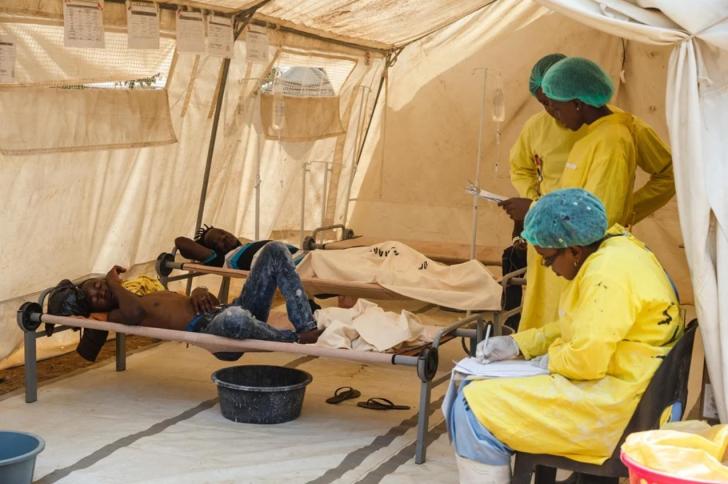
The Zimbabwe Red Cross Society (ZRCS) has stepped up preparedness efforts in Harare amid fears of a potential cholera outbreak, with 100 volunteers already undergoing reorientation and simulation drills ahead of possible deployment.
The training sessions included the setup of oral rehydration points (ORPs), demonstrations of household water treatment methods, and strengthening of rapid response systems. Another 200 volunteers are scheduled to undergo reorientation next week, bringing the total number of trained personnel to 300, all poised to engage with vulnerable communities across the capital.
The move follows confirmed reports from the Ministry of Health and Child Care of a cholera outbreak in Rushinga district, prompting heightened vigilance in urban centres, particularly high-density suburbs that are more prone to diarrheal infections. Volunteers in the programme were drawn from cholera hotspots including Glen View, Budiriro, Hopley, Glen Norah, and Highfield. The training focused on infection prevention, case identification, hygiene promotion, risk communication, and the rapid establishment of ORPs.
ZRCS Secretary-General Elias Hwenga said the exercises were aimed at ensuring swift and coordinated action should cholera cases emerge in Harare. "Preparedness is critical in preventing loss of life. Our volunteers are being equipped with the technical skills and community engagement tools necessary to respond effectively," Hwenga said.
Medical doctor and public health expert Johannes Marisa praised the proactive measures, noting that cholera spreads rapidly in areas with compromised water and sanitation systems. "Cholera is preventable, but it spreads fast when there is contaminated water and poor hygiene," Marisa said. "What the Red Cross is doing is commendable because early preparedness reduces fatalities and prevents panic. Oral rehydration points are critical because dehydration is what kills in cholera cases."
Residents have been urged to treat drinking water, practice proper handwashing, and seek immediate medical attention if experiencing severe diarrhoea, vomiting, or signs of dehydration. With trained teams on standby and a focus on community awareness, ZRCS stresses that early action and personal responsibility are essential to preventing a widespread outbreak.
As reports of confirmed cases in Rushinga raise national concern, the humanitarian organisation is positioning its volunteers for rapid deployment, ensuring that urban communities are prepared and protected against the potentially deadly disease.
The training sessions included the setup of oral rehydration points (ORPs), demonstrations of household water treatment methods, and strengthening of rapid response systems. Another 200 volunteers are scheduled to undergo reorientation next week, bringing the total number of trained personnel to 300, all poised to engage with vulnerable communities across the capital.
The move follows confirmed reports from the Ministry of Health and Child Care of a cholera outbreak in Rushinga district, prompting heightened vigilance in urban centres, particularly high-density suburbs that are more prone to diarrheal infections. Volunteers in the programme were drawn from cholera hotspots including Glen View, Budiriro, Hopley, Glen Norah, and Highfield. The training focused on infection prevention, case identification, hygiene promotion, risk communication, and the rapid establishment of ORPs.
ZRCS Secretary-General Elias Hwenga said the exercises were aimed at ensuring swift and coordinated action should cholera cases emerge in Harare. "Preparedness is critical in preventing loss of life. Our volunteers are being equipped with the technical skills and community engagement tools necessary to respond effectively," Hwenga said.
Medical doctor and public health expert Johannes Marisa praised the proactive measures, noting that cholera spreads rapidly in areas with compromised water and sanitation systems. "Cholera is preventable, but it spreads fast when there is contaminated water and poor hygiene," Marisa said. "What the Red Cross is doing is commendable because early preparedness reduces fatalities and prevents panic. Oral rehydration points are critical because dehydration is what kills in cholera cases."
Residents have been urged to treat drinking water, practice proper handwashing, and seek immediate medical attention if experiencing severe diarrhoea, vomiting, or signs of dehydration. With trained teams on standby and a focus on community awareness, ZRCS stresses that early action and personal responsibility are essential to preventing a widespread outbreak.
As reports of confirmed cases in Rushinga raise national concern, the humanitarian organisation is positioning its volunteers for rapid deployment, ensuring that urban communities are prepared and protected against the potentially deadly disease.
Source - The Standard
Join the discussion
Loading comments…





