News / National
ZBC plunged into governance crisis
20 Feb 2026 at 10:49hrs |
781 Views
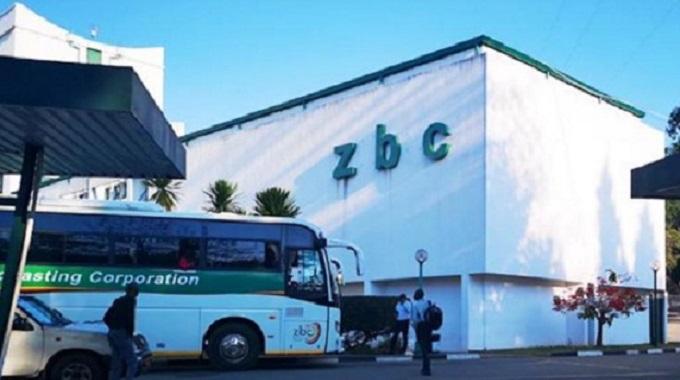
The Zimbabwe Broadcasting Corporation (ZBC) has been engulfed in its most severe governance crisis in years following a ministerial investigation into the management of US$52 million in licence-fee revenue, culminating in the dramatic dismissal of board chairperson Helliate Rushwaya.
The crisis deepened days later when the then Information, Publicity and Broadcasting Services minister, Jenfan Muswere, was reassigned to the less influential skills audit portfolio in a reshuffle that fueled speculation over tensions at the highest levels of government and highlighted fractures within Zanu-PF. Muswere was replaced by Zhemu Soda, while Rushwaya's exit was effective immediately amid allegations of corporate governance failures.
The probe centres on revenue generated largely from the controversial vehicle-linked radio licence introduced last year, which sources allege could not be fully reconciled with documented expenditure. According to a five-page dismissal letter dated February 2, 2026, Muswere cited multiple alleged governance failures, including irregular executive appointments without advertisement or interviews, absence of a compliant strategic plan, unapproved excess expenditure, unauthorised remuneration packages, breaches of procurement laws, and failure to enforce performance contracts.
Government sources told the Zimbabwe Independent that senior management was ordered to provide detailed line-item expenditure reports, procurement documentation, and proof of how licence revenue was allocated across programming, transmission infrastructure, staff costs, and capital projects. "The figures simply did not add up. Over US$50 million was collected, but there was no clear, consolidated account of how the money was used," a senior official said.
The investigation reportedly flagged excessive salaries for several executives, some reportedly exceeding US$10 000 per month, granted without ministerial approval. Additional scrutiny was placed on a US$6 million fund earmarked for the ZIMDIGITAL, which insiders say was not properly managed. Questions also arose over the distribution of licence revenue, which under law should be shared between ZBC, the Broadcasting Authority of Zimbabwe, and Transmedia Corporation. Sources allege that ZBC retained the full amount.
The crisis comes months after the government implemented a US$92 annual ZBC radio licence fee tied to vehicle registration, a move intended to secure sustainable funding but which provoked widespread public backlash. Critics contend that the levy forces motorists to fund a state broadcaster whose independence and public value remain contested, while supporters argue it provides predictable revenue to shield ZBC from commercial and political pressures.
Rushwaya denied wrongdoing, dismissing the allegations as "premised on disinformation and malice," and referred questions to ZBC chief executive officer Sugar Chagonda and the ministry's permanent secretary, Nick Mangwana. Neither Soda, Mangwana, nor Chagonda responded to requests for comment, while Muswere could not be reached.
Government correspondence indicates that the dismissals were intended to signal a tougher stance on corporate governance across public entities. Muswere's letter accused the board of appointing senior executives without advertisement or interview, violating statutory requirements under the Public Entities Corporate Governance Act. He described the "cherry-picking" of executives as unlawful and inconsistent with constitutional principles of transparency and merit.
Muswere further alleged that Rushwaya "illegally and unilaterally" authorised contracts, salaries, allowances, and perks for four senior executives outside approved limits, some reportedly earning around US$10 000 per month plus additional perks. The letter also criticised the absence of a 2026–2030 strategic plan aligned with National Development Strategy 2, stating that the failure to submit the plan breached statutory provisions and undermined performance contract frameworks.
On financial management, the minister claimed that the board incurred unauthorised expenditure exceeding US$10 million in 2025, a breach of prescribed controls and fiduciary duties. The letter also stated that over US$6 million allocated to the ZIMDIGITAL project was not properly ring-fenced, with procured items including equipment, vehicles, buses, and refurbishment works unaccounted for.
Muswere warned that knowingly approving transactions in violation of statutory provisions could expose board members to fines, imprisonment of up to one year, or both, underscoring the seriousness of the crisis at Zimbabwe's flagship public broadcaster.
The crisis deepened days later when the then Information, Publicity and Broadcasting Services minister, Jenfan Muswere, was reassigned to the less influential skills audit portfolio in a reshuffle that fueled speculation over tensions at the highest levels of government and highlighted fractures within Zanu-PF. Muswere was replaced by Zhemu Soda, while Rushwaya's exit was effective immediately amid allegations of corporate governance failures.
The probe centres on revenue generated largely from the controversial vehicle-linked radio licence introduced last year, which sources allege could not be fully reconciled with documented expenditure. According to a five-page dismissal letter dated February 2, 2026, Muswere cited multiple alleged governance failures, including irregular executive appointments without advertisement or interviews, absence of a compliant strategic plan, unapproved excess expenditure, unauthorised remuneration packages, breaches of procurement laws, and failure to enforce performance contracts.
Government sources told the Zimbabwe Independent that senior management was ordered to provide detailed line-item expenditure reports, procurement documentation, and proof of how licence revenue was allocated across programming, transmission infrastructure, staff costs, and capital projects. "The figures simply did not add up. Over US$50 million was collected, but there was no clear, consolidated account of how the money was used," a senior official said.
The investigation reportedly flagged excessive salaries for several executives, some reportedly exceeding US$10 000 per month, granted without ministerial approval. Additional scrutiny was placed on a US$6 million fund earmarked for the ZIMDIGITAL, which insiders say was not properly managed. Questions also arose over the distribution of licence revenue, which under law should be shared between ZBC, the Broadcasting Authority of Zimbabwe, and Transmedia Corporation. Sources allege that ZBC retained the full amount.
Rushwaya denied wrongdoing, dismissing the allegations as "premised on disinformation and malice," and referred questions to ZBC chief executive officer Sugar Chagonda and the ministry's permanent secretary, Nick Mangwana. Neither Soda, Mangwana, nor Chagonda responded to requests for comment, while Muswere could not be reached.
Government correspondence indicates that the dismissals were intended to signal a tougher stance on corporate governance across public entities. Muswere's letter accused the board of appointing senior executives without advertisement or interview, violating statutory requirements under the Public Entities Corporate Governance Act. He described the "cherry-picking" of executives as unlawful and inconsistent with constitutional principles of transparency and merit.
Muswere further alleged that Rushwaya "illegally and unilaterally" authorised contracts, salaries, allowances, and perks for four senior executives outside approved limits, some reportedly earning around US$10 000 per month plus additional perks. The letter also criticised the absence of a 2026–2030 strategic plan aligned with National Development Strategy 2, stating that the failure to submit the plan breached statutory provisions and undermined performance contract frameworks.
On financial management, the minister claimed that the board incurred unauthorised expenditure exceeding US$10 million in 2025, a breach of prescribed controls and fiduciary duties. The letter also stated that over US$6 million allocated to the ZIMDIGITAL project was not properly ring-fenced, with procured items including equipment, vehicles, buses, and refurbishment works unaccounted for.
Muswere warned that knowingly approving transactions in violation of statutory provisions could expose board members to fines, imprisonment of up to one year, or both, underscoring the seriousness of the crisis at Zimbabwe's flagship public broadcaster.
Source - The Independent
Join the discussion
Loading comments…





