News / National
EU back to its senses, pushes for wider trade footprint in Zimbabwe
21 Feb 2026 at 12:26hrs |
0 Views
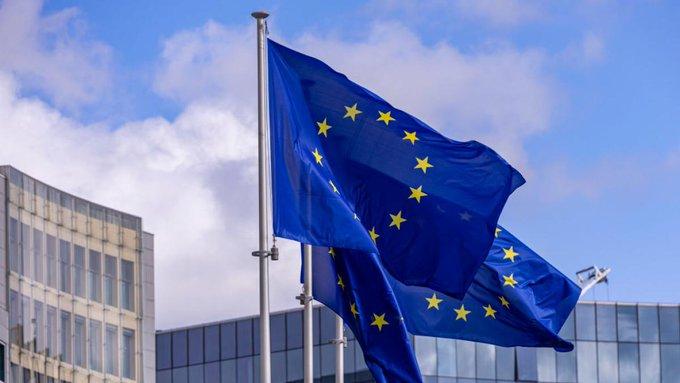
The Katrin Hagemann, Ambassador of the European Union to Zimbabwe, has reaffirmed the bloc's commitment to deepening cooperation with the country, highlighting priorities such as arrears clearance, debt restructuring, and expanding trade and investment links.
Speaking at her first media engagement in Harare, Hagemann underscored the EU's intent to build a trust-based, forward-looking partnership across key sectors. She described the EU as a "steadfast and reliable partner," noting that the recent decision by the EU Council to lift restrictive measures on individuals and entities — while keeping the arms embargo in place — reflects growing diplomatic confidence in Zimbabwe.
"The European Union reiterates its commitment to deepening bilateral relations with Zimbabwe and to strengthening a partnership built on trust, mutual respect and shared interests," Hagemann said. "We look forward to continued engagement that delivers tangible benefits for both Zimbabwe and the EU."
Trade and investment featured prominently in her remarks. The EU remains one of Zimbabwe's largest trading partners, providing duty-free, quota-free access to all 27 Member States. However, only about 200 Zimbabwean companies currently export to Europe, leaving significant room for growth.
"Reaching the symbolic milestone of US$1 billion in trade is possible," Hagemann said, emphasising the need for stability, predictability, and strong governance to encourage private sector expansion and investor confidence.
The Ambassador also highlighted renewed momentum in the Structured Dialogue on Arrears Clearance and Debt Restructuring, describing it as crucial for Zimbabwe's re-engagement with international financial institutions. She praised ongoing cooperation with local authorities, including her role co-chairing the Governance Track alongside the Ministry of Justice.
Beyond economic matters, Hagemann drew attention to the EU's wide-ranging development support in Zimbabwe, spanning agriculture, climate action, biodiversity, governance, health, and youth and women's empowerment. Key initiatives include infrastructure support under the Global Gateway Strategy and the rehabilitation of the Kariba Dam, a cornerstone of the country's electricity supply.
Looking ahead, Hagemann expressed her desire to engage directly with communities across the country.
"I want to listen, to learn and to understand the hopes and aspirations that drive Zimbabweans forward," she said.
She also reiterated the EU's solidarity with the people of Ukraine, stressing the importance of sovereignty and territorial integrity, and condemning Russia's invasion as a violation of the United Nations Charter.
Speaking at her first media engagement in Harare, Hagemann underscored the EU's intent to build a trust-based, forward-looking partnership across key sectors. She described the EU as a "steadfast and reliable partner," noting that the recent decision by the EU Council to lift restrictive measures on individuals and entities — while keeping the arms embargo in place — reflects growing diplomatic confidence in Zimbabwe.
"The European Union reiterates its commitment to deepening bilateral relations with Zimbabwe and to strengthening a partnership built on trust, mutual respect and shared interests," Hagemann said. "We look forward to continued engagement that delivers tangible benefits for both Zimbabwe and the EU."
Trade and investment featured prominently in her remarks. The EU remains one of Zimbabwe's largest trading partners, providing duty-free, quota-free access to all 27 Member States. However, only about 200 Zimbabwean companies currently export to Europe, leaving significant room for growth.
"Reaching the symbolic milestone of US$1 billion in trade is possible," Hagemann said, emphasising the need for stability, predictability, and strong governance to encourage private sector expansion and investor confidence.
Beyond economic matters, Hagemann drew attention to the EU's wide-ranging development support in Zimbabwe, spanning agriculture, climate action, biodiversity, governance, health, and youth and women's empowerment. Key initiatives include infrastructure support under the Global Gateway Strategy and the rehabilitation of the Kariba Dam, a cornerstone of the country's electricity supply.
Looking ahead, Hagemann expressed her desire to engage directly with communities across the country.
"I want to listen, to learn and to understand the hopes and aspirations that drive Zimbabweans forward," she said.
She also reiterated the EU's solidarity with the people of Ukraine, stressing the importance of sovereignty and territorial integrity, and condemning Russia's invasion as a violation of the United Nations Charter.
Source - newzimbabwe
Join the discussion
Loading comments…





