News / National
Junior cops punished over expose
22 Feb 2026 at 12:21hrs |
0 Views
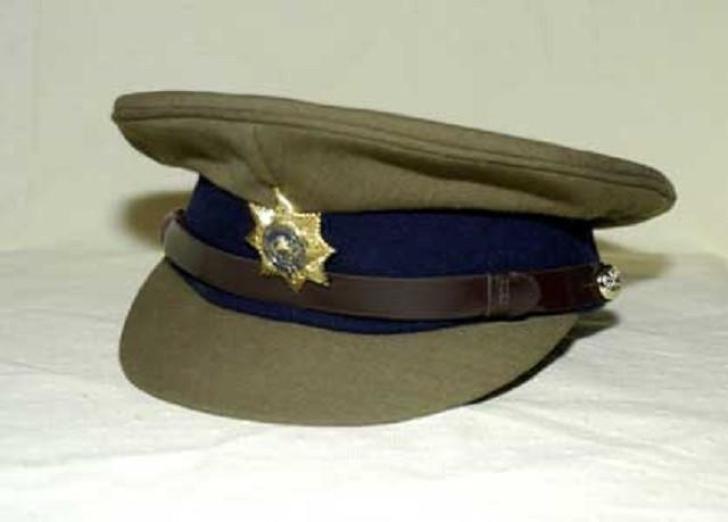
Some police officers who publicly criticised the proposed Police Amendment Bill during a parliamentary hearing in Chinhoyi two weeks ago have reportedly been transferred to remote stations, raising concerns over punitive action and the chilling of civic participation.
During the hearing before the parliamentary portfolio committee, officers openly challenged senior officials, alleging that transfers within the Zimbabwe Republic Police (ZRP) are often used vindictively, favor favoritism, and punish those who carry out their duties professionally. Junior officers claimed that some superiors work in cahoots with criminal syndicates, using transfers as retribution against those who expose wrongdoing.
Constable Dzidzai Chivodze, formerly stationed at Mhangura, was reassigned to Chalala, a remote area in Kariba, without prior notice. "I attended the public hearing at Cooksey Hall in Chinhoyi and I was punished for my participation," Chivodze said.
Sergeant Robert Mufanechiya, previously based in Chinhoyi, was transferred to Siakobvu. He confirmed the move and indicated he plans to challenge the decision. "For now, all I can say is that yes, I was transferred, but I am going to contest the transfer," Mufanechiya said.
National police spokesperson Assistant Commissioner Paul Nyathi urged officers who felt aggrieved to use internal channels to lodge complaints with the commissioner-general of police. "If there are people victimising them, I encourage them to report them to the commissioner-general of police," Nyathi said, adding that there is "nothing sinister or alarming" about transfers within the police service.
Efforts to obtain comment from Parliament were unsuccessful, as Clerk of Parliament Kennedy Zvokuda did not respond to calls or messages.
The developments have sparked fears that public consultations, including parliamentary hearings, may no longer be safe spaces for officers and citizens to speak openly. Zanu-PF chief whip Pupurai Togarepi reminded that contributors at parliamentary hearings are protected by parliamentary immunity. "If it is true that the officers were transferred after making contributions at a parliamentary portfolio committee hearing, it is very wrong because they are covered by parliamentary immunity," he said, urging the affected officers to seek redress through Parliament.
During the Chinhoyi hearing, police officers also raised concerns about links between drug cartels and senior officials, which they said undermined the effectiveness of junior officers.
The proposed Police Amendment Bill seeks to amend the current Police Act, redefining the powers, functions, and administration of the ZRP. Key provisions include giving the police commissioner-general the authority to temporarily suspend officers charged with any criminal offense, introducing new codes of conduct, and providing a legal framework for the regulation of police operations, including the use of force and firearms. The bill is also aimed at modernising administrative and operational procedures within the force.
Civil society and legal observers warn that punitive transfers of officers could deter meaningful participation in parliamentary processes, raising questions about democratic accountability and the protection of whistleblowers within the security sector.
During the hearing before the parliamentary portfolio committee, officers openly challenged senior officials, alleging that transfers within the Zimbabwe Republic Police (ZRP) are often used vindictively, favor favoritism, and punish those who carry out their duties professionally. Junior officers claimed that some superiors work in cahoots with criminal syndicates, using transfers as retribution against those who expose wrongdoing.
Constable Dzidzai Chivodze, formerly stationed at Mhangura, was reassigned to Chalala, a remote area in Kariba, without prior notice. "I attended the public hearing at Cooksey Hall in Chinhoyi and I was punished for my participation," Chivodze said.
Sergeant Robert Mufanechiya, previously based in Chinhoyi, was transferred to Siakobvu. He confirmed the move and indicated he plans to challenge the decision. "For now, all I can say is that yes, I was transferred, but I am going to contest the transfer," Mufanechiya said.
National police spokesperson Assistant Commissioner Paul Nyathi urged officers who felt aggrieved to use internal channels to lodge complaints with the commissioner-general of police. "If there are people victimising them, I encourage them to report them to the commissioner-general of police," Nyathi said, adding that there is "nothing sinister or alarming" about transfers within the police service.
The developments have sparked fears that public consultations, including parliamentary hearings, may no longer be safe spaces for officers and citizens to speak openly. Zanu-PF chief whip Pupurai Togarepi reminded that contributors at parliamentary hearings are protected by parliamentary immunity. "If it is true that the officers were transferred after making contributions at a parliamentary portfolio committee hearing, it is very wrong because they are covered by parliamentary immunity," he said, urging the affected officers to seek redress through Parliament.
During the Chinhoyi hearing, police officers also raised concerns about links between drug cartels and senior officials, which they said undermined the effectiveness of junior officers.
The proposed Police Amendment Bill seeks to amend the current Police Act, redefining the powers, functions, and administration of the ZRP. Key provisions include giving the police commissioner-general the authority to temporarily suspend officers charged with any criminal offense, introducing new codes of conduct, and providing a legal framework for the regulation of police operations, including the use of force and firearms. The bill is also aimed at modernising administrative and operational procedures within the force.
Civil society and legal observers warn that punitive transfers of officers could deter meaningful participation in parliamentary processes, raising questions about democratic accountability and the protection of whistleblowers within the security sector.
Source - The Standard
Join the discussion
Loading comments…


