News / Local
Fuel stations in Harare shun ZiG payments
24 Apr 2026 at 16:02hrs |
1020 Views
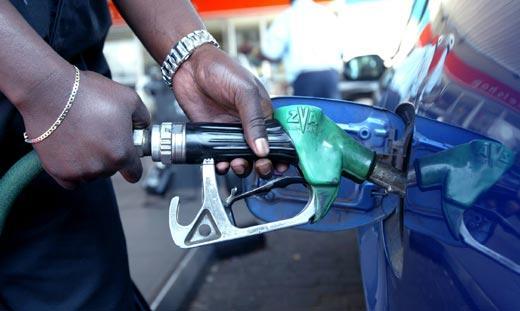
Several fuel service stations in Harare are refusing to accept the Zimbabwe Gold (ZiG) currency, raising fresh concerns over the viability of the country's latest monetary reform.
A survey conducted by NewsDay across the capital revealed that most fuel retailers are transacting exclusively in United States dollars, despite calls by the Reserve Bank of Zimbabwe (RBZ) for dual pricing in both ZiG and USD.
ZiG was introduced in April 2024 to replace the Zimbabwe dollar, which had been crippled by hyperinflation and volatility. Authorities said the new currency, backed by gold and foreign reserves, would help restore confidence, stabilise prices and reduce reliance on the US dollar.
However, uptake in critical sectors such as fuel has remained limited.
"We have not yet started selling fuel in ZiG," said one attendant, speaking on condition of anonymity. "We have been instructed to stick to US dollars because that is how the company is sourcing fuel."
Another attendant in Harare's central business district said their payment systems are configured strictly for foreign currency transactions. "Customers come with ZiG, but we cannot accept it. The system we are using only processes USD," the attendant said.
A supervisor at another service station cited supply chain constraints. "We purchase fuel in US dollars. If we sell in ZiG, it becomes difficult to secure foreign currency for the next delivery, especially given delays on the auction system," the supervisor explained.
Concerns over the foreign currency auction system - also run by the RBZ - have been widely reported, with businesses complaining about delays and insufficient allocations.
Industry bodies including the Confederation of Zimbabwe Industries and the Zimbabwe National Chamber of Commerce say the reluctance to accept ZiG reflects deeper structural issues. Fuel dealers typically import in USD but would be paid in ZiG if required to sell in local currency, creating a mismatch that threatens business viability.
Economists argue that lingering distrust of local currencies - shaped by years of devaluation - has made businesses wary of holding ZiG. Without a reliable and near-instant mechanism to convert ZiG into USD, accepting it for high-value transactions such as fuel is viewed as risky.
Experts warn that broad acceptance in the fuel sector is critical to the currency's survival. Fuel is a key economic driver, influencing transport costs, production and overall inflation.
An RBZ official, speaking anonymously, cautioned that failure to integrate ZiG into essential sectors could relegate it to a "token currency" used only for minor retail transactions, rather than a functional medium of exchange.
The situation has left many Zimbabweans, particularly those earning in local currency, struggling to access fuel. Commuters are already feeling the impact, with transport fares in some parts of Harare rising to as much as US$2.50 per trip.
RBZ Governor John Mushayavanhu has previously indicated that fuel dealers would eventually be required to use ZiG to settle at least 50% of their tax obligations. He warned that businesses currently rejecting the currency could face shortages if the exchange rate strengthens later in the year.
Efforts to obtain comment from the Zimbabwe Energy Regulatory Authority were unsuccessful, as officials did not respond to calls or messages.
A survey conducted by NewsDay across the capital revealed that most fuel retailers are transacting exclusively in United States dollars, despite calls by the Reserve Bank of Zimbabwe (RBZ) for dual pricing in both ZiG and USD.
ZiG was introduced in April 2024 to replace the Zimbabwe dollar, which had been crippled by hyperinflation and volatility. Authorities said the new currency, backed by gold and foreign reserves, would help restore confidence, stabilise prices and reduce reliance on the US dollar.
However, uptake in critical sectors such as fuel has remained limited.
"We have not yet started selling fuel in ZiG," said one attendant, speaking on condition of anonymity. "We have been instructed to stick to US dollars because that is how the company is sourcing fuel."
Another attendant in Harare's central business district said their payment systems are configured strictly for foreign currency transactions. "Customers come with ZiG, but we cannot accept it. The system we are using only processes USD," the attendant said.
A supervisor at another service station cited supply chain constraints. "We purchase fuel in US dollars. If we sell in ZiG, it becomes difficult to secure foreign currency for the next delivery, especially given delays on the auction system," the supervisor explained.
Concerns over the foreign currency auction system - also run by the RBZ - have been widely reported, with businesses complaining about delays and insufficient allocations.
Industry bodies including the Confederation of Zimbabwe Industries and the Zimbabwe National Chamber of Commerce say the reluctance to accept ZiG reflects deeper structural issues. Fuel dealers typically import in USD but would be paid in ZiG if required to sell in local currency, creating a mismatch that threatens business viability.
Economists argue that lingering distrust of local currencies - shaped by years of devaluation - has made businesses wary of holding ZiG. Without a reliable and near-instant mechanism to convert ZiG into USD, accepting it for high-value transactions such as fuel is viewed as risky.
Experts warn that broad acceptance in the fuel sector is critical to the currency's survival. Fuel is a key economic driver, influencing transport costs, production and overall inflation.
An RBZ official, speaking anonymously, cautioned that failure to integrate ZiG into essential sectors could relegate it to a "token currency" used only for minor retail transactions, rather than a functional medium of exchange.
The situation has left many Zimbabweans, particularly those earning in local currency, struggling to access fuel. Commuters are already feeling the impact, with transport fares in some parts of Harare rising to as much as US$2.50 per trip.
RBZ Governor John Mushayavanhu has previously indicated that fuel dealers would eventually be required to use ZiG to settle at least 50% of their tax obligations. He warned that businesses currently rejecting the currency could face shortages if the exchange rate strengthens later in the year.
Efforts to obtain comment from the Zimbabwe Energy Regulatory Authority were unsuccessful, as officials did not respond to calls or messages.
Source - newsday
Join the discussion
Loading comments…


