News / National
Matinyarare turns on Mnangagwa, rates Presidency 'mediocre'
25 Mar 2026 at 10:55hrs |
0 Views
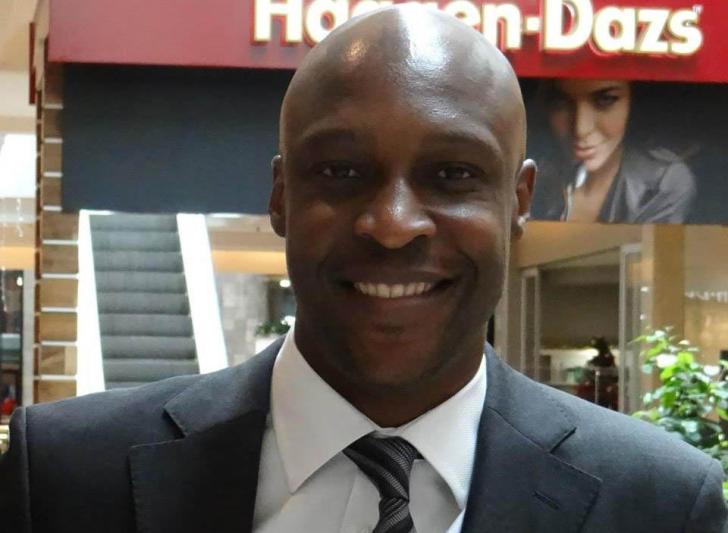
South Africa-based pro-Zanu PF activist Rutendo Matinyarare has, in a surprising shift, publicly described President Emmerson Mnangagwa's tenure as "mediocre," marking a notable departure from his long-standing support.
Matinyarare, once one of Mnangagwa's most vocal defenders across the region following the 2017 Zimbabwe coup d'état that ushered the President into power, has recently taken a more critical stance, particularly on governance and infrastructure delivery.
In a series of social media posts, Matinyarare said the President's performance did not warrant any extension of his term beyond constitutional limits.
"Yesterday, I was threatened for having insulted the President by saying that his performance in office has been mediocre for us to grant him a term extension," he said.
He contrasted Mnangagwa's record with that of former President Robert Mugabe, arguing that the latter oversaw significantly more infrastructure development in his early years in office.
According to Matinyarare, Mugabe's administration constructed approximately 9,000km of new paved roads within two decades, compared to what he described as slower progress under Mnangagwa. He cited the ongoing upgrades to the Harare–Beitbridge Road and other projects, estimating that around 1,200km of roads have been built or rehabilitated in the past nine years.
"This means that, in nine years, the President has refurbished and built about 1,200km (6.3%) of roads out of the 19,000km of paved roads in Zimbabwe, which are in desperate disrepair," he said.
Matinyarare also raised concerns about the financial feasibility of large-scale infrastructure rehabilitation, estimating that repairing the country's road network could cost as much as US$17.4 billion.
His remarks come at a time when ZANU-PF is facing intensifying internal divisions over Mnangagwa's political future. Factions within the ruling party are reportedly split between those advocating for a term extension beyond 2028 and those insisting on adherence to constitutional term limits.
The pro-extension camp is said to draw support largely from Mnangagwa's home regions, including Masvingo Province and Midlands Province, as well as from influential business figures aligned with the ruling establishment.
Others within the party argue that the President should step down at the end of his second term in 2028, as required by the constitution.
Matinyarare further questioned the pace of development, suggesting that ongoing political campaigning linked to a potential 2030 extension was detracting from governance.
"How many more roads can he fix between now and 2030 at the current pace of 130km per year and the perpetual electioneering for 2030 that has stopped all real work?" he asked.
He added that future assessments would examine performance in other critical sectors, including healthcare, water, sanitation and electricity.
Matinyarare, who leads the Zimbabwe Anti Sanctions Movement, has previously been a central figure in campaigns defending the government against what authorities describe as targeted sanctions imposed by the United States and its Western allies.
His latest comments are likely to fuel further debate within both political and public spheres as Zimbabwe approaches a crucial period in its leadership trajectory.
Matinyarare, once one of Mnangagwa's most vocal defenders across the region following the 2017 Zimbabwe coup d'état that ushered the President into power, has recently taken a more critical stance, particularly on governance and infrastructure delivery.
In a series of social media posts, Matinyarare said the President's performance did not warrant any extension of his term beyond constitutional limits.
"Yesterday, I was threatened for having insulted the President by saying that his performance in office has been mediocre for us to grant him a term extension," he said.
He contrasted Mnangagwa's record with that of former President Robert Mugabe, arguing that the latter oversaw significantly more infrastructure development in his early years in office.
According to Matinyarare, Mugabe's administration constructed approximately 9,000km of new paved roads within two decades, compared to what he described as slower progress under Mnangagwa. He cited the ongoing upgrades to the Harare–Beitbridge Road and other projects, estimating that around 1,200km of roads have been built or rehabilitated in the past nine years.
"This means that, in nine years, the President has refurbished and built about 1,200km (6.3%) of roads out of the 19,000km of paved roads in Zimbabwe, which are in desperate disrepair," he said.
Matinyarare also raised concerns about the financial feasibility of large-scale infrastructure rehabilitation, estimating that repairing the country's road network could cost as much as US$17.4 billion.
His remarks come at a time when ZANU-PF is facing intensifying internal divisions over Mnangagwa's political future. Factions within the ruling party are reportedly split between those advocating for a term extension beyond 2028 and those insisting on adherence to constitutional term limits.
The pro-extension camp is said to draw support largely from Mnangagwa's home regions, including Masvingo Province and Midlands Province, as well as from influential business figures aligned with the ruling establishment.
Others within the party argue that the President should step down at the end of his second term in 2028, as required by the constitution.
Matinyarare further questioned the pace of development, suggesting that ongoing political campaigning linked to a potential 2030 extension was detracting from governance.
"How many more roads can he fix between now and 2030 at the current pace of 130km per year and the perpetual electioneering for 2030 that has stopped all real work?" he asked.
He added that future assessments would examine performance in other critical sectors, including healthcare, water, sanitation and electricity.
Matinyarare, who leads the Zimbabwe Anti Sanctions Movement, has previously been a central figure in campaigns defending the government against what authorities describe as targeted sanctions imposed by the United States and its Western allies.
His latest comments are likely to fuel further debate within both political and public spheres as Zimbabwe approaches a crucial period in its leadership trajectory.
Source - newzimbabwe
Join the discussion
Loading comments…





