News / National
Zimbabwe trials ethanol-diesel blend
03 May 2026 at 09:00hrs |
1051 Views
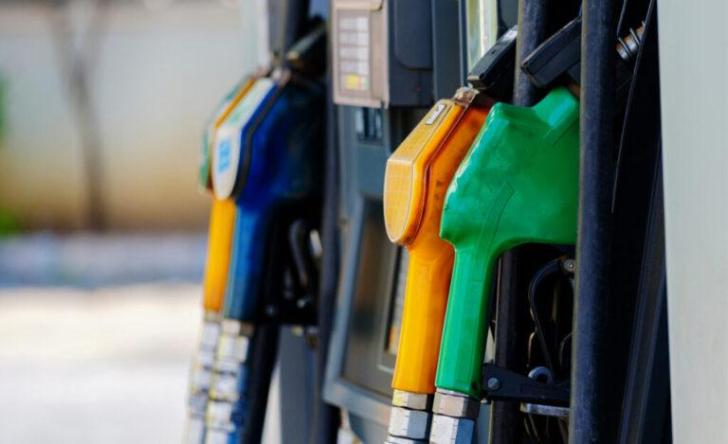
Zimbabwe has begun formal research and trials into blending diesel with ethanol, signalling a potential shift in the country's energy strategy as Government moves to cushion consumers from rising fuel prices and reduce reliance on imports.
The trials, being conducted by Green Fuel Zimbabwe, are assessing suitable blending ratios, compatibility with local vehicle engines and the long-term viability of ethanol-diesel fuel under Zimbabwean conditions.
The initiative forms part of broader efforts to strengthen energy security, with Government expanding domestic ethanol production through new sugarcane plantations in Mwenezi, Chisumbanje and Chiredzi.
Officials say the move has been accelerated by recent spikes in global fuel prices linked to geopolitical tensions in the Middle East, which have driven up the cost of diesel and petrol locally.
Ethanol blending involves mixing imported fuel with locally produced ethanol, which is generally cheaper than refined petroleum products. Increasing the ethanol component lowers the overall cost of fuel while reducing pressure on foreign currency reserves.
Zimbabwe has already implemented mandatory ethanol blending for petrol, with the Zimbabwe Energy Regulatory Authority (ZERA) recently increasing the blend ratio from E5 to E20.
Energy and Power Development Minister July Moyo confirmed that diesel blending trials are underway, although no timelines have been set for rollout.
"We have started experiments and these are being conducted by Green Fuel," he said. "At the moment, there are no timelines on when this will begin. However, the results will determine the way forward."
He added that expanded sugarcane production would support the blending programme and help stabilise fuel prices.
"When we shifted to E20 from E5 in petrol, the price of the commodity decreased by about US$0,15," said Minister Moyo.
Recent data from ZERA shows blended petrol (E20) dropped to US$2,08 per litre from US$2,23, while diesel eased slightly to US$2,09 per litre from US$2,11, with the regulator attributing the petrol price decline largely to higher ethanol blending.
However, economists caution that blending alone may not fully resolve Zimbabwe's fuel pricing challenges.
Gift Mugano, executive director of Africa Economic Development Strategies, said the bulk of fuel costs stem from imports and transportation.
"The major contribution to fuel costs — about 80 percent — comes from imported fuel and shipment costs," he said, noting that prices remain higher than in neighbouring countries even before taxes and levies are applied.
He called for broader reforms, including improving procurement systems, increasing competition among suppliers and making more efficient use of infrastructure such as fuel pipelines.
Consumers have largely welcomed the proposed diesel blending initiative. Harare motorist Takudzwa Hungwe said stabilising fuel prices would have wider economic benefits.
"If it ensures that fuel costs and the cost of other goods and services remain stable, then it is a good move," he said.
Globally, ethanol blending has mainly been applied to petrol, with countries like Brazil leading large-scale biofuel programmes. Only a few nations, such as Sweden, have implemented ethanol-based systems for diesel engines, often limited to specialised applications like buses and heavy-duty fleets.
Other countries, including India and South Africa, have explored pilot programmes, although ethanol-diesel blending remains limited due to technical and engine compatibility challenges.
As Zimbabwe advances its trials, the success of the initiative will depend on technical feasibility, infrastructure readiness and broader reforms within the fuel sector.
The trials, being conducted by Green Fuel Zimbabwe, are assessing suitable blending ratios, compatibility with local vehicle engines and the long-term viability of ethanol-diesel fuel under Zimbabwean conditions.
The initiative forms part of broader efforts to strengthen energy security, with Government expanding domestic ethanol production through new sugarcane plantations in Mwenezi, Chisumbanje and Chiredzi.
Officials say the move has been accelerated by recent spikes in global fuel prices linked to geopolitical tensions in the Middle East, which have driven up the cost of diesel and petrol locally.
Ethanol blending involves mixing imported fuel with locally produced ethanol, which is generally cheaper than refined petroleum products. Increasing the ethanol component lowers the overall cost of fuel while reducing pressure on foreign currency reserves.
Zimbabwe has already implemented mandatory ethanol blending for petrol, with the Zimbabwe Energy Regulatory Authority (ZERA) recently increasing the blend ratio from E5 to E20.
Energy and Power Development Minister July Moyo confirmed that diesel blending trials are underway, although no timelines have been set for rollout.
"We have started experiments and these are being conducted by Green Fuel," he said. "At the moment, there are no timelines on when this will begin. However, the results will determine the way forward."
He added that expanded sugarcane production would support the blending programme and help stabilise fuel prices.
"When we shifted to E20 from E5 in petrol, the price of the commodity decreased by about US$0,15," said Minister Moyo.
Recent data from ZERA shows blended petrol (E20) dropped to US$2,08 per litre from US$2,23, while diesel eased slightly to US$2,09 per litre from US$2,11, with the regulator attributing the petrol price decline largely to higher ethanol blending.
However, economists caution that blending alone may not fully resolve Zimbabwe's fuel pricing challenges.
Gift Mugano, executive director of Africa Economic Development Strategies, said the bulk of fuel costs stem from imports and transportation.
"The major contribution to fuel costs — about 80 percent — comes from imported fuel and shipment costs," he said, noting that prices remain higher than in neighbouring countries even before taxes and levies are applied.
He called for broader reforms, including improving procurement systems, increasing competition among suppliers and making more efficient use of infrastructure such as fuel pipelines.
Consumers have largely welcomed the proposed diesel blending initiative. Harare motorist Takudzwa Hungwe said stabilising fuel prices would have wider economic benefits.
"If it ensures that fuel costs and the cost of other goods and services remain stable, then it is a good move," he said.
Globally, ethanol blending has mainly been applied to petrol, with countries like Brazil leading large-scale biofuel programmes. Only a few nations, such as Sweden, have implemented ethanol-based systems for diesel engines, often limited to specialised applications like buses and heavy-duty fleets.
Other countries, including India and South Africa, have explored pilot programmes, although ethanol-diesel blending remains limited due to technical and engine compatibility challenges.
As Zimbabwe advances its trials, the success of the initiative will depend on technical feasibility, infrastructure readiness and broader reforms within the fuel sector.
Source - Sunday Mail
Join the discussion
Loading comments…


