News / National
Valerio Sibanda's entry fuels fresh debate over Zanu-PF succession politics
01 Jun 2026 at 19:13hrs |
749 Views
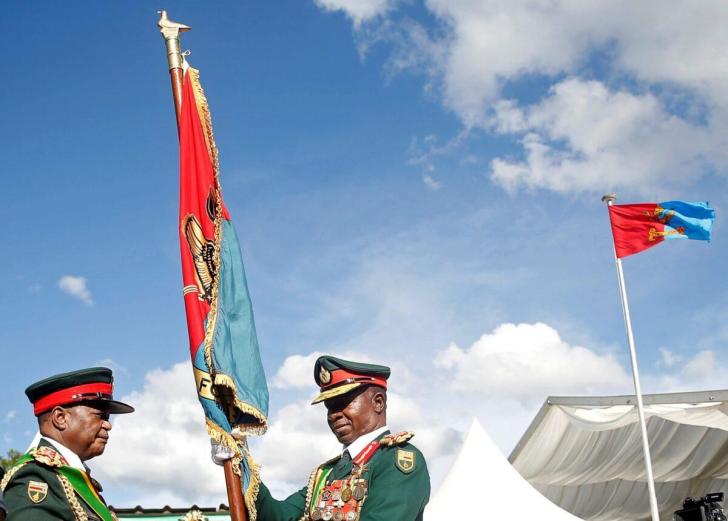
The recent appointment of retired Zimbabwe Defence Forces commander, Philip Valerio Sibanda, to Zanu-PF's powerful Politburo has ignited fresh debate over the ruling party's succession dynamics, with analysts questioning whether the move signals a broader strategic realignment ahead of future leadership transitions.
Although Sibanda's attendance at his first Politburo meeting last week attracted limited public attention, political observers argue that some of Zimbabwe's most consequential political developments often emerge quietly before assuming greater significance over time.
At face value, Sibanda's elevation could be interpreted as a routine post-retirement deployment within the ruling party's structures. However, the circumstances surrounding his appointment have prompted renewed scrutiny of the often complex relationship between military influence and political succession in Zimbabwe.
The appointment comes against the backdrop of an earlier attempt to bring Sibanda into the Politburo in October 2023 while he was still serving as commander of the Zimbabwe Defence Forces. That move generated controversy as it appeared to conflict with constitutional provisions prohibiting serving members of the security services from participating in partisan political activities.
The appointment was subsequently reversed following criticism from legal and political quarters.
Following his retirement in November last year and replacement by Emmanuel Matatu, many expected Sibanda to gradually withdraw from public life, as has largely been the case with former police commissioner-general Godwin Matanga. Instead, he has now been formally incorporated into the highest decision-making structures of Zanu-PF.
Political analysts note that the timing is particularly significant given ongoing debates around succession within the ruling party.
President Emmerson Mnangagwa has repeatedly stated that he intends to respect constitutional term limits and leave office at the end of his mandate. However, discussions around the so-called "2030 agenda" and proposed constitutional amendments have continued to fuel speculation over the future leadership trajectory of both the party and the country.
Zimbabwe's political history suggests that succession battles are rarely determined solely by formal office or constitutional rank. Instead, they often involve intricate interactions between party structures, liberation war credentials, security sector interests and elite political alliances.
Historical precedents such as the 2004 Tsholotsho saga, the eventual downfall of former Vice-President Joice Mujuru in 2014, and the political transition that followed the removal of Robert Mugabe in 2017 illustrate how succession outcomes have frequently been shaped by broader power networks rather than formal positions alone.
For years, much of the public discussion around succession has centred on Vice-President Constantino Chiwenga, whose role in the events of November 2017 and long military career have led many to regard him as a natural successor.
However, observers argue that Zimbabwean political history is littered with examples of seemingly obvious successors whose ambitions were ultimately thwarted by shifting alliances and changing power dynamics.
Against that backdrop, Sibanda's emergence within the Politburo has attracted attention because he does not fit the profile of a conventional political contender. Unlike many senior politicians, he has not spent years cultivating a public political constituency or becoming embroiled in factional disputes.
Some analysts suggest that such perceived neutrality could prove advantageous in a succession contest, particularly if competing interests within the ruling establishment seek a consensus candidate capable of commanding acceptance across multiple constituencies.
Sibanda's military pedigree also remains a key factor in the discussion. Having served as commander of the defence forces during a critical period in Zimbabwe's political history, he enjoys significant standing within security circles.
Political commentators note that while military influence alone does not determine leadership outcomes, the security establishment has historically played an important role during pivotal political transitions.
The debate has also drawn attention to the historical relationship between Sibanda and Chiwenga. Although Chiwenga ultimately rose higher within the post-independence military hierarchy, the two men emerged from different liberation movements, with Chiwenga coming through ZANLA structures and Sibanda through ZIPRA.
This distinction has led some analysts to argue that measuring their respective political and liberation-war standing is more complex than simply examining post-independence military ranks.
Adding another dimension to the succession debate is the growing prominence of businessman and presidential adviser Kudakwashe Tagwirei, who is increasingly viewed by both supporters and critics as an influential figure within Zanu-PF's future political calculations.
While some view Tagwirei as a potential successor or kingmaker, others speculate that attention focused on his political role may be overshadowing the emergence of alternative figures such as Sibanda.
Some analysts have even suggested that Sibanda's inclusion in the Politburo could serve as a strategic counterweight to Chiwenga's influence, particularly among military and liberation war constituencies.
However, political observers caution against drawing definitive conclusions from a single appointment.
Zimbabwe's succession politics has historically been shaped by evolving alliances, shifting interests and complex negotiations that often unfold away from public scrutiny.
For now, Sibanda's appointment has raised more questions than answers. Whether it represents the beginning of a larger political project, a balancing act within Zanu-PF's internal dynamics, or simply the incorporation of a retired military leader into party structures remains uncertain.
What is clear is that his arrival in the Politburo has injected a fresh element into an already sensitive succession debate, one that is likely to remain a central feature of Zimbabwe's political landscape in the years ahead.
Although Sibanda's attendance at his first Politburo meeting last week attracted limited public attention, political observers argue that some of Zimbabwe's most consequential political developments often emerge quietly before assuming greater significance over time.
At face value, Sibanda's elevation could be interpreted as a routine post-retirement deployment within the ruling party's structures. However, the circumstances surrounding his appointment have prompted renewed scrutiny of the often complex relationship between military influence and political succession in Zimbabwe.
The appointment comes against the backdrop of an earlier attempt to bring Sibanda into the Politburo in October 2023 while he was still serving as commander of the Zimbabwe Defence Forces. That move generated controversy as it appeared to conflict with constitutional provisions prohibiting serving members of the security services from participating in partisan political activities.
The appointment was subsequently reversed following criticism from legal and political quarters.
Following his retirement in November last year and replacement by Emmanuel Matatu, many expected Sibanda to gradually withdraw from public life, as has largely been the case with former police commissioner-general Godwin Matanga. Instead, he has now been formally incorporated into the highest decision-making structures of Zanu-PF.
Political analysts note that the timing is particularly significant given ongoing debates around succession within the ruling party.
President Emmerson Mnangagwa has repeatedly stated that he intends to respect constitutional term limits and leave office at the end of his mandate. However, discussions around the so-called "2030 agenda" and proposed constitutional amendments have continued to fuel speculation over the future leadership trajectory of both the party and the country.
Zimbabwe's political history suggests that succession battles are rarely determined solely by formal office or constitutional rank. Instead, they often involve intricate interactions between party structures, liberation war credentials, security sector interests and elite political alliances.
Historical precedents such as the 2004 Tsholotsho saga, the eventual downfall of former Vice-President Joice Mujuru in 2014, and the political transition that followed the removal of Robert Mugabe in 2017 illustrate how succession outcomes have frequently been shaped by broader power networks rather than formal positions alone.
For years, much of the public discussion around succession has centred on Vice-President Constantino Chiwenga, whose role in the events of November 2017 and long military career have led many to regard him as a natural successor.
However, observers argue that Zimbabwean political history is littered with examples of seemingly obvious successors whose ambitions were ultimately thwarted by shifting alliances and changing power dynamics.
Some analysts suggest that such perceived neutrality could prove advantageous in a succession contest, particularly if competing interests within the ruling establishment seek a consensus candidate capable of commanding acceptance across multiple constituencies.
Sibanda's military pedigree also remains a key factor in the discussion. Having served as commander of the defence forces during a critical period in Zimbabwe's political history, he enjoys significant standing within security circles.
Political commentators note that while military influence alone does not determine leadership outcomes, the security establishment has historically played an important role during pivotal political transitions.
The debate has also drawn attention to the historical relationship between Sibanda and Chiwenga. Although Chiwenga ultimately rose higher within the post-independence military hierarchy, the two men emerged from different liberation movements, with Chiwenga coming through ZANLA structures and Sibanda through ZIPRA.
This distinction has led some analysts to argue that measuring their respective political and liberation-war standing is more complex than simply examining post-independence military ranks.
Adding another dimension to the succession debate is the growing prominence of businessman and presidential adviser Kudakwashe Tagwirei, who is increasingly viewed by both supporters and critics as an influential figure within Zanu-PF's future political calculations.
While some view Tagwirei as a potential successor or kingmaker, others speculate that attention focused on his political role may be overshadowing the emergence of alternative figures such as Sibanda.
Some analysts have even suggested that Sibanda's inclusion in the Politburo could serve as a strategic counterweight to Chiwenga's influence, particularly among military and liberation war constituencies.
However, political observers caution against drawing definitive conclusions from a single appointment.
Zimbabwe's succession politics has historically been shaped by evolving alliances, shifting interests and complex negotiations that often unfold away from public scrutiny.
For now, Sibanda's appointment has raised more questions than answers. Whether it represents the beginning of a larger political project, a balancing act within Zanu-PF's internal dynamics, or simply the incorporation of a retired military leader into party structures remains uncertain.
What is clear is that his arrival in the Politburo has injected a fresh element into an already sensitive succession debate, one that is likely to remain a central feature of Zimbabwe's political landscape in the years ahead.
Source - The Standard
Join the discussion
Loading comments…





