News / National
Water shortages persist in Bulawayo and Harare
06 Jun 2026 at 21:19hrs |
595 Views
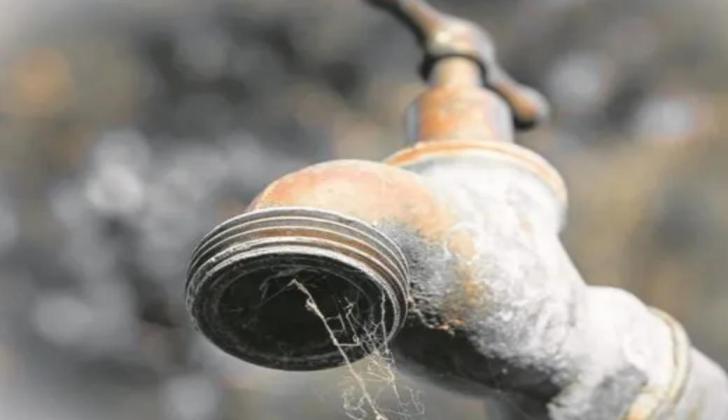
Despite Zimbabwe recording one of its wettest rainy seasons in recent history, major urban centres such as Bulawayo and Harare continue to grapple with persistent water shortages, highlighting deep-rooted infrastructure, environmental and governance challenges.
The country received 888.5mm of rainfall during the 2025/26 rainy season, the second-highest annual rainfall amount since the 2016/17 season. National dam levels reached 93.4 percent capacity by the end of April, up from 89.1 percent during the same period last year. Yet for many residents, abundant rainfall has not translated into reliable water supplies.
In Bulawayo, months of heavy rains brought significant inflows into the city's supply dams. However, the city remains under a water-shedding regime, with authorities recently reducing supply interruptions from 96 hours to 72 hours. Residents will now receive water four days a week instead of three, but many argue the improvement falls far short of what should be expected after such a rainy season.
Women continue to bear the greatest burden of the shortages, as they remain primarily responsible for household water collection and caregiving. Residents in Entumbane say they have relied heavily on harvested rainwater for laundry and sanitation, but remain frustrated that water rationing persists.
"The fact that we are not getting water on a daily basis means we are facing a risk of disease outbreaks, and whenever there are such outbreaks, it is us women who will take care of the sick," said a resident who identified herself only as MaDlamini.
Gender activist Buhlebemvelo Tshabangu-Moyo said water shortages have a disproportionate impact on women, many of whom must balance household responsibilities with efforts to earn a living.
"The water crisis will always remain a gender concern as women bear the brunt of the shortages. Women are the household managers and children and men look up to them for all water requirements in the home. At times their lives are put at risk as they continue to fetch water from morning right into the night," she said.
Although rainfall improved dam levels, storage remains inadequate to satisfy the city's long-term needs. By the end of April, only Mtshabezi Dam had reached full capacity, while Insiza stood at 89.5 percent. Upper Ncema was 55.7 percent full, Mzingwane 49.6 percent, Lower Ncema 34.3 percent and Inyankuni 31.3 percent. As a result, only two of Bulawayo's six supply dams were above 80 percent capacity, while three remained below half full.
Residents' groups say the continued shortages demonstrate the need for urgent completion of long-delayed water infrastructure projects. Bulawayo Residents Association chairperson Winos Dube said temporary improvements in water availability do not address the root of the problem.
"We want to send a strong message to the council and government that increasing the number of days in which water is available is not enough as we want to receive supplies 24/7. The rains have been plenty this season, but more effort should be made to implement solutions that will eradicate this problem once and for all," he said.
Dube expressed concern over the apparent shelving of the proposed Glassblock Dam project on the Mzingwane River, which was expected to hold 129 million cubic metres of water. The estimated US$100 million project remains stalled because of disagreements between Bulawayo City Council and a consortium selected to undertake the work.
He also called for renewed focus on the Matabeleland Zambezi Water Project and the completion of the Gwayi-Shangani Dam, widely viewed as Bulawayo's long-term solution to water shortages. Although government has repeatedly revised completion timelines, the project remains unfinished despite substantial public investment.
Environmental degradation is also contributing to the problem. Illegal riverbed mining and unauthorised water abstraction have reportedly reduced flows into rivers feeding major dams, including the Umzingwane and Insiza rivers.
Climate Action Network Zimbabwe coordinator Wellington Madumira said government efforts to rehabilitate damaged rivers must be accompanied by stronger enforcement measures.
"For the government's river rehabilitation initiative to succeed, it has to strengthen enforcement and monitoring of environmental regulations and ensure equal application of laws regardless of status or influence," he said.
In Harare, the challenge is less about water availability and more about infrastructure and management. The capital draws water primarily from Lake Chivero and Lake Manyame, which stood at 82.5 percent and 80.9 percent capacity respectively at the end of April. Seke Dam was full.
Despite these healthy levels, many suburbs continue to experience chronic shortages. In areas such as Mabvuku and Tafara, residents depend heavily on community boreholes, often spending hours queuing for water.
"As women we don't have much time to do other activities like income-generating projects as we spend most of the day fetching water at these boreholes. We really wish we could get tap water as well," said Mabvuku resident Anna Munemo.
Experts attribute Harare's water challenges to years of underinvestment in treatment and distribution infrastructure, pollution of water sources and inadequate maintenance of critical systems.
Madumira also highlighted the importance of protecting wetlands, which act as natural filtration systems and help maintain water quality.
"Authorities must stop construction on wetlands and restore those that have been damaged, as this will help in reducing sediment and pollution entering the dam system," he said.
The contrast between record dam levels and ongoing shortages underscores a broader reality facing Zimbabwe's urban centres. While rainfall replenishes reservoirs, ageing infrastructure, delayed capital projects, environmental damage and management shortcomings continue to prevent residents from enjoying reliable water supplies.
For many households in Bulawayo and Harare, the experience of the 2025/26 rainy season has reinforced a difficult lesson: abundant rainfall alone is not enough to guarantee water security. Until infrastructure deficits, environmental challenges and governance weaknesses are addressed, water shortages are likely to remain a feature of urban life, even during the wettest years.
The country received 888.5mm of rainfall during the 2025/26 rainy season, the second-highest annual rainfall amount since the 2016/17 season. National dam levels reached 93.4 percent capacity by the end of April, up from 89.1 percent during the same period last year. Yet for many residents, abundant rainfall has not translated into reliable water supplies.
In Bulawayo, months of heavy rains brought significant inflows into the city's supply dams. However, the city remains under a water-shedding regime, with authorities recently reducing supply interruptions from 96 hours to 72 hours. Residents will now receive water four days a week instead of three, but many argue the improvement falls far short of what should be expected after such a rainy season.
Women continue to bear the greatest burden of the shortages, as they remain primarily responsible for household water collection and caregiving. Residents in Entumbane say they have relied heavily on harvested rainwater for laundry and sanitation, but remain frustrated that water rationing persists.
"The fact that we are not getting water on a daily basis means we are facing a risk of disease outbreaks, and whenever there are such outbreaks, it is us women who will take care of the sick," said a resident who identified herself only as MaDlamini.
Gender activist Buhlebemvelo Tshabangu-Moyo said water shortages have a disproportionate impact on women, many of whom must balance household responsibilities with efforts to earn a living.
"The water crisis will always remain a gender concern as women bear the brunt of the shortages. Women are the household managers and children and men look up to them for all water requirements in the home. At times their lives are put at risk as they continue to fetch water from morning right into the night," she said.
Although rainfall improved dam levels, storage remains inadequate to satisfy the city's long-term needs. By the end of April, only Mtshabezi Dam had reached full capacity, while Insiza stood at 89.5 percent. Upper Ncema was 55.7 percent full, Mzingwane 49.6 percent, Lower Ncema 34.3 percent and Inyankuni 31.3 percent. As a result, only two of Bulawayo's six supply dams were above 80 percent capacity, while three remained below half full.
Residents' groups say the continued shortages demonstrate the need for urgent completion of long-delayed water infrastructure projects. Bulawayo Residents Association chairperson Winos Dube said temporary improvements in water availability do not address the root of the problem.
"We want to send a strong message to the council and government that increasing the number of days in which water is available is not enough as we want to receive supplies 24/7. The rains have been plenty this season, but more effort should be made to implement solutions that will eradicate this problem once and for all," he said.
Dube expressed concern over the apparent shelving of the proposed Glassblock Dam project on the Mzingwane River, which was expected to hold 129 million cubic metres of water. The estimated US$100 million project remains stalled because of disagreements between Bulawayo City Council and a consortium selected to undertake the work.
Environmental degradation is also contributing to the problem. Illegal riverbed mining and unauthorised water abstraction have reportedly reduced flows into rivers feeding major dams, including the Umzingwane and Insiza rivers.
Climate Action Network Zimbabwe coordinator Wellington Madumira said government efforts to rehabilitate damaged rivers must be accompanied by stronger enforcement measures.
"For the government's river rehabilitation initiative to succeed, it has to strengthen enforcement and monitoring of environmental regulations and ensure equal application of laws regardless of status or influence," he said.
In Harare, the challenge is less about water availability and more about infrastructure and management. The capital draws water primarily from Lake Chivero and Lake Manyame, which stood at 82.5 percent and 80.9 percent capacity respectively at the end of April. Seke Dam was full.
Despite these healthy levels, many suburbs continue to experience chronic shortages. In areas such as Mabvuku and Tafara, residents depend heavily on community boreholes, often spending hours queuing for water.
"As women we don't have much time to do other activities like income-generating projects as we spend most of the day fetching water at these boreholes. We really wish we could get tap water as well," said Mabvuku resident Anna Munemo.
Experts attribute Harare's water challenges to years of underinvestment in treatment and distribution infrastructure, pollution of water sources and inadequate maintenance of critical systems.
Madumira also highlighted the importance of protecting wetlands, which act as natural filtration systems and help maintain water quality.
"Authorities must stop construction on wetlands and restore those that have been damaged, as this will help in reducing sediment and pollution entering the dam system," he said.
The contrast between record dam levels and ongoing shortages underscores a broader reality facing Zimbabwe's urban centres. While rainfall replenishes reservoirs, ageing infrastructure, delayed capital projects, environmental damage and management shortcomings continue to prevent residents from enjoying reliable water supplies.
For many households in Bulawayo and Harare, the experience of the 2025/26 rainy season has reinforced a difficult lesson: abundant rainfall alone is not enough to guarantee water security. Until infrastructure deficits, environmental challenges and governance weaknesses are addressed, water shortages are likely to remain a feature of urban life, even during the wettest years.
Source - Business Times
Join the discussion
Loading comments…





