News / National
South African artists caught in xenophobia backlash
15 Jun 2026 at 18:44hrs |
0 Views
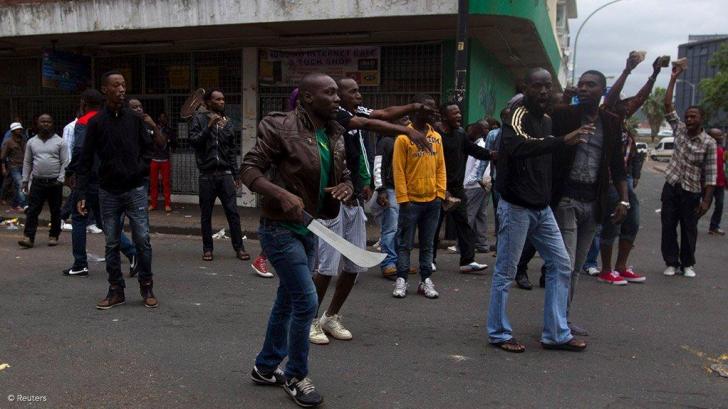
SOUTH African musicians and entertainers are increasingly becoming unintended casualties of rising anti-foreigner sentiment in their country, with performances across Africa reportedly being cancelled amid growing anger over the treatment of foreign nationals in South Africa.
The development highlights the widening economic and reputational costs of South Africa's immigration tensions, with artists now facing lost income and shrinking opportunities in markets that have traditionally embraced South African music and culture.
Justice and Constitutional Development Minister Mmamoloko Kubayi revealed that local entertainers were beginning to experience the consequences firsthand, with some reporting widespread cancellations of bookings across the continent.
"Majority of South African artists perform on the continent and many of them are seeing their gigs being cancelled," Kubayi said.
"But one artist did reach out to me to say all her gigs were cancelled on the continent. This is an income lost by a South African."
Her remarks provide one of the clearest indications yet that the fallout from South Africa's migration crisis is extending beyond politics and diplomacy into sectors that rely heavily on regional goodwill and cross-border engagement.
The entertainment industry has long been one of South Africa's most successful exports, with musicians, DJs, comedians and performers regularly headlining events throughout Africa.
South African music genres such as Amapiano, house and gospel have enjoyed immense popularity across the continent, helping local artists build lucrative regional careers.
However, growing resentment over repeated xenophobic attacks and anti-immigrant rhetoric appears to be creating resistance among some audiences and event organisers, threatening a market that has become increasingly important to South African entertainers.
The latest concerns come amid renewed scrutiny of South Africa's handling of migration issues following a series of anti-immigrant protests and campaigns targeting foreign nationals, particularly migrants from elsewhere in Africa.
While authorities have maintained that concerns over undocumented migration should be addressed through lawful processes and enforcement mechanisms, critics argue that inflammatory rhetoric and recurring attacks have damaged South Africa's image among fellow African nations.
Kubayi acknowledged that the consequences were now becoming visible beyond immigration debates and warned that vigilantism and attacks on foreign nationals carried broader social and economic risks.
"Hence, we are calling for vigilantism to be rejected by communities, for attacks on foreign nationals because they do to a certain extent extend to others who are not even foreign nationals in terms of language and how they look," she said.
She cautioned that continued hostility towards migrants could undermine social cohesion and deepen divisions within South African society itself.
"It can hurt our social cohesion. It can divide us further in terms of our cultural diversity," Kubayi added.
Analysts say the reported cancellations serve as a reminder that perceptions of a country's treatment of foreigners can have far-reaching consequences, affecting tourism, investment, cultural exchanges and business opportunities.
For South African artists, many of whom have built strong fan bases across the continent over several decades, the prospect of losing access to regional markets presents a significant economic threat.
The cancellations also illustrate how ordinary citizens can become collateral damage in broader political and social disputes, finding themselves judged not for their own actions but for developments occurring within their home country.
As tensions over immigration continue to dominate public discourse in South Africa, the entertainment sector may increasingly find itself on the frontline of a growing continental backlash, with artists paying a price for a crisis largely beyond their control.
The development highlights the widening economic and reputational costs of South Africa's immigration tensions, with artists now facing lost income and shrinking opportunities in markets that have traditionally embraced South African music and culture.
Justice and Constitutional Development Minister Mmamoloko Kubayi revealed that local entertainers were beginning to experience the consequences firsthand, with some reporting widespread cancellations of bookings across the continent.
"Majority of South African artists perform on the continent and many of them are seeing their gigs being cancelled," Kubayi said.
"But one artist did reach out to me to say all her gigs were cancelled on the continent. This is an income lost by a South African."
Her remarks provide one of the clearest indications yet that the fallout from South Africa's migration crisis is extending beyond politics and diplomacy into sectors that rely heavily on regional goodwill and cross-border engagement.
The entertainment industry has long been one of South Africa's most successful exports, with musicians, DJs, comedians and performers regularly headlining events throughout Africa.
South African music genres such as Amapiano, house and gospel have enjoyed immense popularity across the continent, helping local artists build lucrative regional careers.
However, growing resentment over repeated xenophobic attacks and anti-immigrant rhetoric appears to be creating resistance among some audiences and event organisers, threatening a market that has become increasingly important to South African entertainers.
The latest concerns come amid renewed scrutiny of South Africa's handling of migration issues following a series of anti-immigrant protests and campaigns targeting foreign nationals, particularly migrants from elsewhere in Africa.
While authorities have maintained that concerns over undocumented migration should be addressed through lawful processes and enforcement mechanisms, critics argue that inflammatory rhetoric and recurring attacks have damaged South Africa's image among fellow African nations.
Kubayi acknowledged that the consequences were now becoming visible beyond immigration debates and warned that vigilantism and attacks on foreign nationals carried broader social and economic risks.
"Hence, we are calling for vigilantism to be rejected by communities, for attacks on foreign nationals because they do to a certain extent extend to others who are not even foreign nationals in terms of language and how they look," she said.
She cautioned that continued hostility towards migrants could undermine social cohesion and deepen divisions within South African society itself.
"It can hurt our social cohesion. It can divide us further in terms of our cultural diversity," Kubayi added.
Analysts say the reported cancellations serve as a reminder that perceptions of a country's treatment of foreigners can have far-reaching consequences, affecting tourism, investment, cultural exchanges and business opportunities.
For South African artists, many of whom have built strong fan bases across the continent over several decades, the prospect of losing access to regional markets presents a significant economic threat.
The cancellations also illustrate how ordinary citizens can become collateral damage in broader political and social disputes, finding themselves judged not for their own actions but for developments occurring within their home country.
As tensions over immigration continue to dominate public discourse in South Africa, the entertainment sector may increasingly find itself on the frontline of a growing continental backlash, with artists paying a price for a crisis largely beyond their control.
Source - SABC News
Join the discussion
Loading comments…





