News / National
Chiwenga, Mnangagwa pact dead
22 Jun 2026 at 07:42hrs |
1438 Views
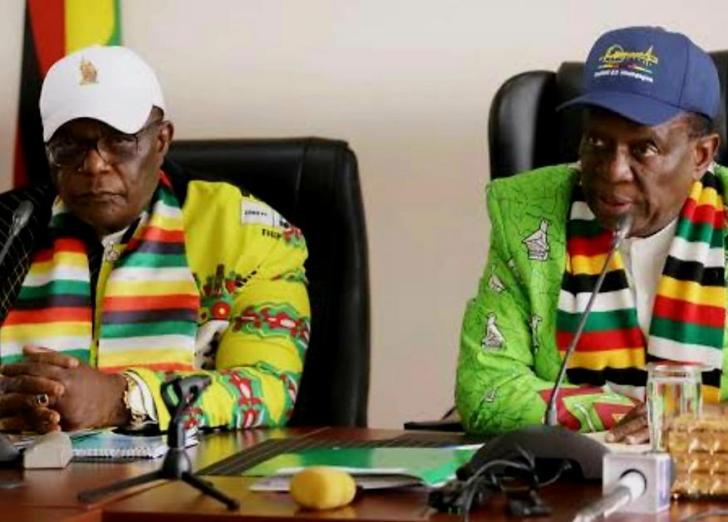
The passage of the controversial Constitution Amendment Bill No. 3 (CAB3) through the National Assembly has intensified succession tensions within Zanu-PF, with analysts warning that the legislation could fundamentally reshape the balance of power between President Emmerson Mnangagwa and Vice President Constantino Chiwenga.
Political observers say the Bill has exposed and deepened divisions that have simmered beneath the surface since the 2017 military-assisted transition that brought Mnangagwa to power.
CAB3 recently secured the required two-thirds majority in the National Assembly with support from legislators aligned to Sengezo Tshabangu, and now heads to the Senate for consideration.
The proposed constitutional changes have generated intense political debate, with supporters arguing that they will promote stability and continuity, while critics view them as part of a broader succession strategy within the ruling party.
Mnangagwa's current constitutional term is scheduled to end in 2028, but opponents of CAB3 argue that the proposed amendments could ultimately extend his political influence beyond that date.
For years, Chiwenga has been widely regarded as a leading contender to succeed Mnangagwa, while businessman Kudakwashe Tagwirei has increasingly been mentioned in political circles as a possible alternative power centre within the ruling party.
The debate surrounding CAB3 has unfolded against a backdrop of growing factional tensions, with recent cash and vehicle donations to party activists becoming a focal point of controversy.
Presidential investment adviser Paul Tungwarara recently came under fire after distributing cash rewards to party activists whom he said had played a role in defending Mnangagwa and promoting constitutional reforms.
The donations triggered criticism from some party members, exposing divisions within the Varakashi movement, a group of vocal Zanu-PF activists known for their vigorous defence of the President and his allies.
Varakashi chairman for Mashonaland West, Levison Chambati, publicly questioned the criteria used to select beneficiaries, arguing that provinces which had demonstrated strong support for CAB3 were overlooked.
Analysts say the dispute reflects broader succession battles that are increasingly playing out in public.
Political analyst Reuben Mbofana said CAB3 has altered expectations that had previously shaped internal succession calculations within the ruling party.
"The passage of this bill freezes that trajectory, forcing a severe recalibration," Mbofana said.
"Moving forward, the relationship between the two leaders will shed any remaining pretence of shared governance and become highly defensive and volatile."
He argued that any extension of the current political arrangement would significantly complicate succession dynamics and increase tensions between competing centres of power.
Harare-based analyst Rashweat Mukundu said the constitutional amendment process had exposed deep divisions within Zanu-PF.
"There is no doubt that there will be a rupture in Zanu-PF, either instigated by the Chiwenga faction or the Mnangagwa faction," Mukundu said.
"Definitely these two sides are not reading from the same script on CAB3."
Mukundu said attention would now turn to how Chiwenga and his supporters respond to what many perceive as an attempt to reshape the succession landscape.
Political commentator Pride Nkomo argued that the recent controversies surrounding donations and patronage reflected a broader transformation in Zimbabwean politics.
"In their political construct, there is no room for ideologies or values; it is about money, and the more it is seen to be spent, the greater the impact on shaping political narratives," he said.
Analyst Reason Wafawarova echoed similar concerns, arguing that patronage and financial incentives had become increasingly influential in shaping political loyalties.
The debate has also attracted attention beyond Zimbabwe's borders.
Former Botswana president Ian Khama recently criticised Mnangagwa over CAB3, accusing African leaders who seek constitutional changes of attempting to prolong their stay in power.
"Another power-hungry president has the constitution amended through rigging and cash inducements to extend his term of office," Khama wrote on social media.
The latest developments have highlighted growing concerns over succession politics within Zanu-PF, with critics arguing that selective rewards and patronage risk undermining party cohesion and deepening factional rivalries.
The tensions also revive warnings made by Chiwenga last year when he cautioned that the ruling party was being influenced by powerful business interests and risked repeating mistakes that contributed to the downfall of former president Robert Mugabe.
With CAB3 now heading to the Senate, attention is increasingly shifting from the constitutional amendment itself to the political consequences its passage may have on the future leadership of Zanu-PF and Zimbabwe.
Political observers say the Bill has exposed and deepened divisions that have simmered beneath the surface since the 2017 military-assisted transition that brought Mnangagwa to power.
CAB3 recently secured the required two-thirds majority in the National Assembly with support from legislators aligned to Sengezo Tshabangu, and now heads to the Senate for consideration.
The proposed constitutional changes have generated intense political debate, with supporters arguing that they will promote stability and continuity, while critics view them as part of a broader succession strategy within the ruling party.
Mnangagwa's current constitutional term is scheduled to end in 2028, but opponents of CAB3 argue that the proposed amendments could ultimately extend his political influence beyond that date.
For years, Chiwenga has been widely regarded as a leading contender to succeed Mnangagwa, while businessman Kudakwashe Tagwirei has increasingly been mentioned in political circles as a possible alternative power centre within the ruling party.
The debate surrounding CAB3 has unfolded against a backdrop of growing factional tensions, with recent cash and vehicle donations to party activists becoming a focal point of controversy.
Presidential investment adviser Paul Tungwarara recently came under fire after distributing cash rewards to party activists whom he said had played a role in defending Mnangagwa and promoting constitutional reforms.
The donations triggered criticism from some party members, exposing divisions within the Varakashi movement, a group of vocal Zanu-PF activists known for their vigorous defence of the President and his allies.
Varakashi chairman for Mashonaland West, Levison Chambati, publicly questioned the criteria used to select beneficiaries, arguing that provinces which had demonstrated strong support for CAB3 were overlooked.
Analysts say the dispute reflects broader succession battles that are increasingly playing out in public.
Political analyst Reuben Mbofana said CAB3 has altered expectations that had previously shaped internal succession calculations within the ruling party.
"The passage of this bill freezes that trajectory, forcing a severe recalibration," Mbofana said.
"Moving forward, the relationship between the two leaders will shed any remaining pretence of shared governance and become highly defensive and volatile."
He argued that any extension of the current political arrangement would significantly complicate succession dynamics and increase tensions between competing centres of power.
Harare-based analyst Rashweat Mukundu said the constitutional amendment process had exposed deep divisions within Zanu-PF.
"There is no doubt that there will be a rupture in Zanu-PF, either instigated by the Chiwenga faction or the Mnangagwa faction," Mukundu said.
"Definitely these two sides are not reading from the same script on CAB3."
Mukundu said attention would now turn to how Chiwenga and his supporters respond to what many perceive as an attempt to reshape the succession landscape.
Political commentator Pride Nkomo argued that the recent controversies surrounding donations and patronage reflected a broader transformation in Zimbabwean politics.
"In their political construct, there is no room for ideologies or values; it is about money, and the more it is seen to be spent, the greater the impact on shaping political narratives," he said.
Analyst Reason Wafawarova echoed similar concerns, arguing that patronage and financial incentives had become increasingly influential in shaping political loyalties.
The debate has also attracted attention beyond Zimbabwe's borders.
Former Botswana president Ian Khama recently criticised Mnangagwa over CAB3, accusing African leaders who seek constitutional changes of attempting to prolong their stay in power.
"Another power-hungry president has the constitution amended through rigging and cash inducements to extend his term of office," Khama wrote on social media.
The latest developments have highlighted growing concerns over succession politics within Zanu-PF, with critics arguing that selective rewards and patronage risk undermining party cohesion and deepening factional rivalries.
The tensions also revive warnings made by Chiwenga last year when he cautioned that the ruling party was being influenced by powerful business interests and risked repeating mistakes that contributed to the downfall of former president Robert Mugabe.
With CAB3 now heading to the Senate, attention is increasingly shifting from the constitutional amendment itself to the political consequences its passage may have on the future leadership of Zanu-PF and Zimbabwe.
Source - The Standard
Join the discussion
Loading comments…





