News / National
Joshua Nkomo's vision betrayed
28 Jun 2026 at 20:53hrs |
0 Views
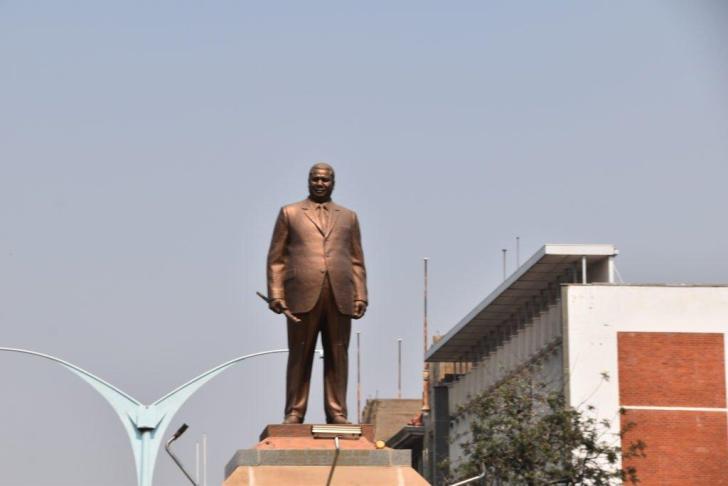
CONCERNS are mounting that Zimbabwe has drifted away from the ideals championed by the late Vice President Joshua Nkomo as the nation prepares to commemorate the 27th anniversary of the nationalist leader's death on Wednesday.
Nkomo, affectionately known as *Father Zimbabwe*, died on July 1, 1999, and is widely remembered for his commitment to national unity, reconciliation, justice and inclusive nation-building.
He played a leading role in Zimbabwe's liberation struggle and was instrumental in the signing of the 1987 Unity Accord between ZANU and PF-ZAPU, an agreement that formally ended the Gukurahundi conflict in Matabeleland and parts of the Midlands.
However, nearly four decades after the Unity Accord and more than two decades after Nkomo's death, many survivors and affected communities continue to call for truth, justice and accountability over the Gukurahundi atrocities, while critics argue that the country remains politically and economically divided.
Gukurahundi survivor Ben Moyo said the values that Nkomo stood for had yet to be fully realised.
"The icon of our struggle stood for national unity, justice, reconciliation, and economic development," Moyo said.
"These have either not been fulfilled or have been betrayed."
Moyo said the anniversary of Nkomo's death should serve as an opportunity for national reflection.
"The clarion call is for the nation and its leadership to rediscover those values," he said.
According to Moyo, Nkomo would have been deeply concerned by Zimbabwe's current governance challenges.
"He would have condemned the rampant looting, the corruption, the attempts to hijack the Constitution, the dilapidated state of our hospitals, the poor infrastructure, the failure to craft genuine national unity, and the lack of meaningful economic development," he said.
Moyo said honouring Nkomo required more than annual commemorations.
"The best way to honour Joshua Nkomo is to rebuild the values he fought for — justice, unity, reconciliation and development for all Zimbabweans," he said.
Bulawayo-based pressure group Ibhetshu Likazulu also expressed concern that Nkomo's legacy was being undermined by current political and social developments.
The organisation's secretary-general, Mbuso Fuzwayo, said it was unfortunate that many of the ideals Nkomo championed during the liberation struggle appeared to be fading.
Fuzwayo said Nkomo consistently promoted national unity, opposed tribalism and discouraged personality-driven politics in favour of collective national development.
"Nkomo was for the development of the country," Fuzwayo said.
He argued that some contemporary political practices appeared to prioritise personal interests over national development.
Zimbabwe People's Revolutionary Army (ZPRA) deputy spokesperson Joachim Moyo said Zimbabwe remained far from achieving the vision that Nkomo had articulated.
"Dr Nkomo stood for unity, peace, reconciliation, justice, and the dignity of all Zimbabweans, regardless of tribe, race, religion, or political affiliation. He believed Zimbabwe belonged to all its people," Moyo said.
He urged Zimbabweans to use this year's commemoration to assess whether the country had fulfilled the aspirations of the liberation struggle.
"As we honour his memory, we must ask ourselves whether the ideals he championed have been fully realised," he said.
"While Zimbabwe has made progress in education and infrastructure, the same cannot be said about national unity and meaningful peace."
Moyo said many Zimbabweans continued to face economic hardship, unemployment and poverty, while younger generations were growing up without strong national values.
"The youth are confused and maturing in a non-virtuous and morally discrepant mould," he said.
"This blurs the future, and one wonders what kind of nation-state lies ahead."
He also criticised corruption and what he described as self-serving leadership, warning that Zimbabwe risked betraying the sacrifices made during the liberation struggle.
"The best way to honour Dr Nkomo is not through high-sounding hollow speeches and ceremonies, but through practical efforts to build a nation-state that reflects our founding fathers' vision," he said.
He added that Zimbabwe required genuine national healing, stronger democratic participation and leadership committed to serving citizens ahead of personal interests.
"Zimbabwe is still bleeding and deceived," Moyo said.
"It is at a crossroads."
As the country marks another anniversary of Nkomo's passing, calls continue for his legacy to be honoured not only through commemorative events but also through renewed efforts to promote unity, reconciliation, justice and inclusive national development.
Nkomo, affectionately known as *Father Zimbabwe*, died on July 1, 1999, and is widely remembered for his commitment to national unity, reconciliation, justice and inclusive nation-building.
He played a leading role in Zimbabwe's liberation struggle and was instrumental in the signing of the 1987 Unity Accord between ZANU and PF-ZAPU, an agreement that formally ended the Gukurahundi conflict in Matabeleland and parts of the Midlands.
However, nearly four decades after the Unity Accord and more than two decades after Nkomo's death, many survivors and affected communities continue to call for truth, justice and accountability over the Gukurahundi atrocities, while critics argue that the country remains politically and economically divided.
Gukurahundi survivor Ben Moyo said the values that Nkomo stood for had yet to be fully realised.
"The icon of our struggle stood for national unity, justice, reconciliation, and economic development," Moyo said.
"These have either not been fulfilled or have been betrayed."
Moyo said the anniversary of Nkomo's death should serve as an opportunity for national reflection.
"The clarion call is for the nation and its leadership to rediscover those values," he said.
According to Moyo, Nkomo would have been deeply concerned by Zimbabwe's current governance challenges.
"He would have condemned the rampant looting, the corruption, the attempts to hijack the Constitution, the dilapidated state of our hospitals, the poor infrastructure, the failure to craft genuine national unity, and the lack of meaningful economic development," he said.
Moyo said honouring Nkomo required more than annual commemorations.
"The best way to honour Joshua Nkomo is to rebuild the values he fought for — justice, unity, reconciliation and development for all Zimbabweans," he said.
Bulawayo-based pressure group Ibhetshu Likazulu also expressed concern that Nkomo's legacy was being undermined by current political and social developments.
The organisation's secretary-general, Mbuso Fuzwayo, said it was unfortunate that many of the ideals Nkomo championed during the liberation struggle appeared to be fading.
Fuzwayo said Nkomo consistently promoted national unity, opposed tribalism and discouraged personality-driven politics in favour of collective national development.
He argued that some contemporary political practices appeared to prioritise personal interests over national development.
Zimbabwe People's Revolutionary Army (ZPRA) deputy spokesperson Joachim Moyo said Zimbabwe remained far from achieving the vision that Nkomo had articulated.
"Dr Nkomo stood for unity, peace, reconciliation, justice, and the dignity of all Zimbabweans, regardless of tribe, race, religion, or political affiliation. He believed Zimbabwe belonged to all its people," Moyo said.
He urged Zimbabweans to use this year's commemoration to assess whether the country had fulfilled the aspirations of the liberation struggle.
"As we honour his memory, we must ask ourselves whether the ideals he championed have been fully realised," he said.
"While Zimbabwe has made progress in education and infrastructure, the same cannot be said about national unity and meaningful peace."
Moyo said many Zimbabweans continued to face economic hardship, unemployment and poverty, while younger generations were growing up without strong national values.
"The youth are confused and maturing in a non-virtuous and morally discrepant mould," he said.
"This blurs the future, and one wonders what kind of nation-state lies ahead."
He also criticised corruption and what he described as self-serving leadership, warning that Zimbabwe risked betraying the sacrifices made during the liberation struggle.
"The best way to honour Dr Nkomo is not through high-sounding hollow speeches and ceremonies, but through practical efforts to build a nation-state that reflects our founding fathers' vision," he said.
He added that Zimbabwe required genuine national healing, stronger democratic participation and leadership committed to serving citizens ahead of personal interests.
"Zimbabwe is still bleeding and deceived," Moyo said.
"It is at a crossroads."
As the country marks another anniversary of Nkomo's passing, calls continue for his legacy to be honoured not only through commemorative events but also through renewed efforts to promote unity, reconciliation, justice and inclusive national development.
Source - Southern Eye
Join the discussion
Loading comments…




