News / National
Zimbabwe nears end of hard wheat imports
12 Jul 2026 at 15:12hrs |
0 Views
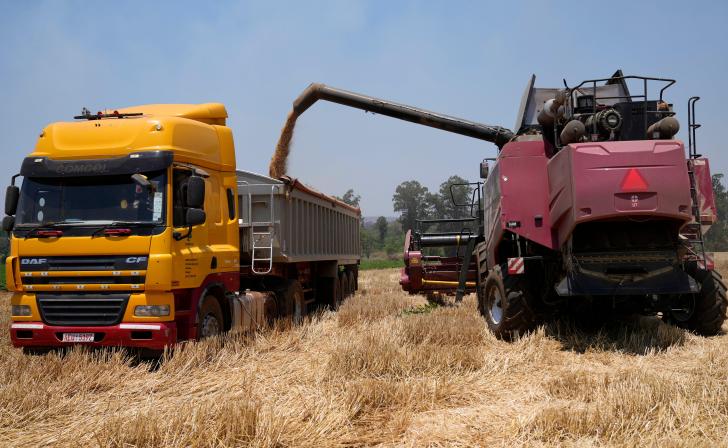
Zimbabwe is moving closer to eliminating expensive hard wheat imports as breakthroughs in local seed breeding improve the quality of domestically produced wheat, raising hopes that the country could soon meet both its quantity and quality requirements for the baking industry.
Although Zimbabwe has recorded successive bumper wheat harvests in recent years, millers have continued importing premium hard wheat to blend with locally produced grain because of its superior protein content and gluten strength, which are essential for producing high-quality bread and other baked products.
According to official figures, Zimbabwe imported wheat worth about US$124.5 million in 2023, with the import bill rising to nearly US$135 million in 2024.
Hard wheat is favoured by millers because its high protein and strong gluten characteristics produce dough with greater elasticity and larger loaf volumes, making it particularly suitable for bread flour.
Developing locally adapted varieties that match these premium milling qualities has remained one of the final obstacles to achieving full wheat self-sufficiency.
Seed Co chief executive officer Morgan Nzwere said the company was investing heavily in research to develop wheat varieties capable of meeting international milling standards while remaining resilient to Zimbabwe's changing climate.
"We will continue investing in wheat research and development to produce varieties that address current and future challenges facing farmers and the industry," Nzwere said.
"We are adopting modern breeding technologies, including marker-assisted breeding, genomic selection, doubled haploid technology and speed breeding to shorten the time required to develop and release new varieties."
He said the ultimate goal is to produce premium hard wheat varieties locally.
"The objective is to develop hard wheat varieties that will ultimately eliminate the need for Zimbabwe to import hard wheat for the baking industry while ensuring farmers have access to high-yielding, climate-smart varieties," he said.
The government is pursuing similar objectives through investments in improved seed genetics and climate-smart agriculture.
Agriculture, Mechanisation and Water Resources Development Permanent Secretary Professor Obert Jiri said improved wheat varieties form a key pillar of Zimbabwe's long-term food security strategy.
"This wheat is both heat- and drought-tolerant. Our researchers are working tirelessly as we seek to ensure that our food security is not determined by weather or rain," Jiri said.
"We want our agriculture systems to be adaptable to all changes while we ensure no one dies from hunger. This is the smartest way of climate-proofing our agriculture."
He said Zimbabwe could no longer afford to depend on imported wheat and flour.
"The objective is to be self-sufficient through both winter and summer wheat. Farmers, schools and seed producers must all take advantage of these improved varieties and our irrigation programmes to contribute to national food security," Jiri said.
Wheat breeder Jairos Masawi said recent breeding advances demonstrate that high grain quality and climate resilience can be achieved simultaneously, strengthening prospects for Zimbabwe to reduce its dependence on imported wheat.
If successful, the development of locally produced premium hard wheat could significantly reduce the country's import bill, strengthen food security and improve returns for local farmers while enhancing the competitiveness of Zimbabwe's milling and baking industries.
Although Zimbabwe has recorded successive bumper wheat harvests in recent years, millers have continued importing premium hard wheat to blend with locally produced grain because of its superior protein content and gluten strength, which are essential for producing high-quality bread and other baked products.
According to official figures, Zimbabwe imported wheat worth about US$124.5 million in 2023, with the import bill rising to nearly US$135 million in 2024.
Hard wheat is favoured by millers because its high protein and strong gluten characteristics produce dough with greater elasticity and larger loaf volumes, making it particularly suitable for bread flour.
Developing locally adapted varieties that match these premium milling qualities has remained one of the final obstacles to achieving full wheat self-sufficiency.
Seed Co chief executive officer Morgan Nzwere said the company was investing heavily in research to develop wheat varieties capable of meeting international milling standards while remaining resilient to Zimbabwe's changing climate.
"We will continue investing in wheat research and development to produce varieties that address current and future challenges facing farmers and the industry," Nzwere said.
"We are adopting modern breeding technologies, including marker-assisted breeding, genomic selection, doubled haploid technology and speed breeding to shorten the time required to develop and release new varieties."
He said the ultimate goal is to produce premium hard wheat varieties locally.
The government is pursuing similar objectives through investments in improved seed genetics and climate-smart agriculture.
Agriculture, Mechanisation and Water Resources Development Permanent Secretary Professor Obert Jiri said improved wheat varieties form a key pillar of Zimbabwe's long-term food security strategy.
"This wheat is both heat- and drought-tolerant. Our researchers are working tirelessly as we seek to ensure that our food security is not determined by weather or rain," Jiri said.
"We want our agriculture systems to be adaptable to all changes while we ensure no one dies from hunger. This is the smartest way of climate-proofing our agriculture."
He said Zimbabwe could no longer afford to depend on imported wheat and flour.
"The objective is to be self-sufficient through both winter and summer wheat. Farmers, schools and seed producers must all take advantage of these improved varieties and our irrigation programmes to contribute to national food security," Jiri said.
Wheat breeder Jairos Masawi said recent breeding advances demonstrate that high grain quality and climate resilience can be achieved simultaneously, strengthening prospects for Zimbabwe to reduce its dependence on imported wheat.
If successful, the development of locally produced premium hard wheat could significantly reduce the country's import bill, strengthen food security and improve returns for local farmers while enhancing the competitiveness of Zimbabwe's milling and baking industries.
Source - Sunday Mail
Join the discussion
Loading comments…





