News / National
Steady influx of returnees worries Bulawayo
12 Jul 2026 at 15:17hrs |
0 Views
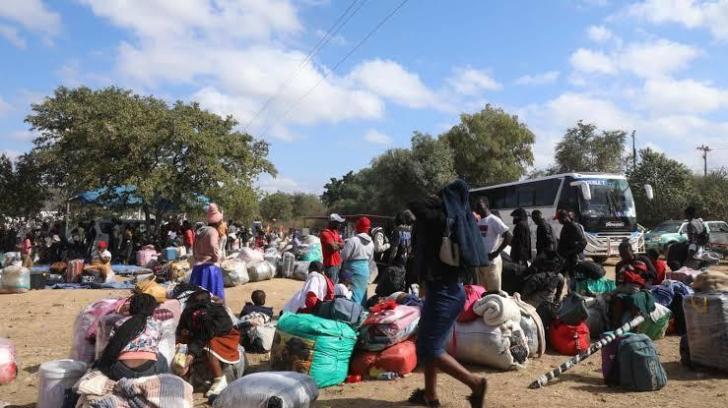
Bulawayo residents, civic leaders and local authorities have called for a coordinated national response to support Zimbabweans returning from South Africa amid rising anti-foreigner tensions, warning that the influx could place additional pressure on already strained public services if not properly managed.
The appeals come as buses carrying returnees continue to arrive at the United Congregational Church of Southern Africa (UCCSA) in Njube, where churches and humanitarian organisations are providing temporary accommodation, meals and other essential assistance before the returnees are transported to their home districts.
The arrivals follow weeks of anti-immigrant protests in South Africa that have prompted many Zimbabweans to return home, resulting in one of the largest waves of return migration in recent years.
Bulawayo United Residents Association (BURA) chairperson Winos Dube said it was still too early to determine the full impact of the influx but cautioned that any increase in the city's population would inevitably place greater demands on public services.
"As much as any other place, whenever the population or the number of occupants increases, there is an expectation that there are going to be certain side effects and more needs to accommodate people," Dube said.
He urged authorities to assist returnees in reconnecting with their communities of origin instead of assuming they would all remain in Bulawayo.
Dube also highlighted the city's long-standing water shortages, warning that additional residents could further strain water supply and sanitation infrastructure.
"We have got the challenge of water in the city of Bulawayo. Obviously, with an influx of people flooding the city, that will affect the water situation and demand, even in the sanitation area and things of that nature," he said.
"We are praying and hoping that the relevant authorities, namely the council, together with the government, will work out and find the best ways of addressing these situations."
He said the government should take primary responsibility for supporting returning citizens while encouraging churches, businesses, civic organisations and individuals to complement state efforts.
Dube also called on the government to consider providing land and other resettlement opportunities for returnees seeking to rebuild their lives in Zimbabwe.
Bulawayo mayor David Coltart said preliminary assessments indicated that many returnees were likely to reunite with relatives or return to existing homes, limiting immediate pressure on the city's housing services.
"It is early days, but a preliminary assessment is that many of the people returning from South Africa will have existing ties, family ties, possibly even homes, in Zimbabwe," Coltart said.
"To that extent, our hope is that they will not necessarily need housing and access to basic services."
He noted that Bulawayo regularly experiences a significant seasonal increase in population during the festive period when Zimbabweans working in South Africa return home, suggesting the current influx may present similar challenges.
However, Coltart said the city was already working closely with central government to identify vulnerable returnees who may require assistance.
"The town clerk is already in discussions with the office of the provincial minister for Bulawayo so that we have a coordinated approach," he said.
"We are now in the process of setting up a system whereby people who perhaps have not been coming back and are literally destitute, with no family ties and no existing homes, have a process they can follow to identify themselves so that we in turn can make provision for them."
He said it remained too early to determine whether the influx would require adjustments to the city's long-term development plans.
Meanwhile, Bishop Lazarus Khanye said transportation remained one of the biggest challenges facing the ongoing repatriation effort.
Churches have played a central role in the humanitarian response, providing temporary shelter, food, counselling and other support to returnees arriving in Bulawayo before they travel to their final destinations.
Government officials have indicated that assistance will extend beyond the initial reception process, with plans to connect returnees to empowerment programmes, livelihood initiatives and other interventions aimed at helping them reintegrate into their communities and rebuild sustainable lives.
The appeals come as buses carrying returnees continue to arrive at the United Congregational Church of Southern Africa (UCCSA) in Njube, where churches and humanitarian organisations are providing temporary accommodation, meals and other essential assistance before the returnees are transported to their home districts.
The arrivals follow weeks of anti-immigrant protests in South Africa that have prompted many Zimbabweans to return home, resulting in one of the largest waves of return migration in recent years.
Bulawayo United Residents Association (BURA) chairperson Winos Dube said it was still too early to determine the full impact of the influx but cautioned that any increase in the city's population would inevitably place greater demands on public services.
"As much as any other place, whenever the population or the number of occupants increases, there is an expectation that there are going to be certain side effects and more needs to accommodate people," Dube said.
He urged authorities to assist returnees in reconnecting with their communities of origin instead of assuming they would all remain in Bulawayo.
Dube also highlighted the city's long-standing water shortages, warning that additional residents could further strain water supply and sanitation infrastructure.
"We have got the challenge of water in the city of Bulawayo. Obviously, with an influx of people flooding the city, that will affect the water situation and demand, even in the sanitation area and things of that nature," he said.
"We are praying and hoping that the relevant authorities, namely the council, together with the government, will work out and find the best ways of addressing these situations."
He said the government should take primary responsibility for supporting returning citizens while encouraging churches, businesses, civic organisations and individuals to complement state efforts.
Dube also called on the government to consider providing land and other resettlement opportunities for returnees seeking to rebuild their lives in Zimbabwe.
"It is early days, but a preliminary assessment is that many of the people returning from South Africa will have existing ties, family ties, possibly even homes, in Zimbabwe," Coltart said.
"To that extent, our hope is that they will not necessarily need housing and access to basic services."
He noted that Bulawayo regularly experiences a significant seasonal increase in population during the festive period when Zimbabweans working in South Africa return home, suggesting the current influx may present similar challenges.
However, Coltart said the city was already working closely with central government to identify vulnerable returnees who may require assistance.
"The town clerk is already in discussions with the office of the provincial minister for Bulawayo so that we have a coordinated approach," he said.
"We are now in the process of setting up a system whereby people who perhaps have not been coming back and are literally destitute, with no family ties and no existing homes, have a process they can follow to identify themselves so that we in turn can make provision for them."
He said it remained too early to determine whether the influx would require adjustments to the city's long-term development plans.
Meanwhile, Bishop Lazarus Khanye said transportation remained one of the biggest challenges facing the ongoing repatriation effort.
Churches have played a central role in the humanitarian response, providing temporary shelter, food, counselling and other support to returnees arriving in Bulawayo before they travel to their final destinations.
Government officials have indicated that assistance will extend beyond the initial reception process, with plans to connect returnees to empowerment programmes, livelihood initiatives and other interventions aimed at helping them reintegrate into their communities and rebuild sustainable lives.
Source - Southern Eye
Join the discussion
Loading comments…





