News / National
Zimbabwe war vets take fight to Mnangagwa
07 Sep 2026 at 04:59hrs |
933 Views
Zimbabwe's Constitutional Amendment Act Number 3 of 2026 (CAA3) will face a major legal test on September 22 when the Constitutional Court hears a challenge brought by a group of war veterans seeking to overturn controversial changes to the Constitution.
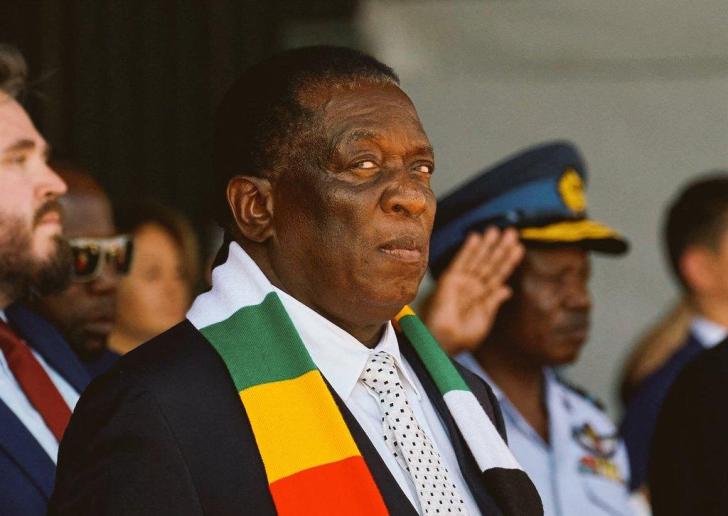
President Emmerson Mnangagwa signed CAA3 into law last month despite the pending court challenge. The amendments, among other changes, effectively extend the presidential term from five to seven years and alter the manner in which the president will be elected.
The government has already begun implementing some of the contested provisions, including the appointment of judges and 10 senators, before the Constitutional Court has determined the challenge.
War veterans Reuben Zulu, Godfrey Gurira, Shoorai Nyamagodi, Joseph Chinyangare, Digmore Knowledge Ndiya and Joseph Chinguwa filed an application seeking direct access to the Constitutional Court to challenge the amendments to the 2013 Constitution.
They cited President Mnangagwa, Parliament, the Minister of Justice and the Attorney-General as respondents.
A notice of hearing issued by Constitutional Court registrar Dorothy Mwanyisa on August 2, and seen by The Standard, states that the veterans' "application for direct access Rule 26 will be heard and determined physically by the Constitutional Court of Zimbabwe at Harare on Tuesday, the 22nd day of September, 2026 or so soon thereafter as counsel may be heard."
At the centre of the challenge is the war veterans' argument that CAA3 infringes citizens' constitutional right to directly elect a president of their choice.
Under the amended Constitution, presidential elections are effectively replaced by a system under which Parliament elects the president, with Zanu-PF currently holding a two-thirds majority and benefiting from the support of legislators aligned to the Citizens Coalition for Change faction led by self-styled secretary-general Sengezo Tshabangu.
In their answering affidavits, the war veterans argued that the changes substantially diminished the political rights protected under Section 67 of the Constitution and therefore required a referendum under Section 328(6).
"Prior to the promulgation of the Constitution of Zimbabwe Amendment Act No. 6 of 2026, every registered voter in Zimbabwe, including the applicants, directly participated in the election of the president," they submitted.
"By enactment of the impugned amendment, that constitutional entitlement has been fundamentally altered and diminished.
"The direct electoral mandate formerly conferred by every eligible citizen has been transferred to Members of Parliament."
The applicants argued that the change amounted to a substantial curtailment of political rights and triggered the constitutional requirement for a referendum.
They further said the dispute presented a genuine constitutional controversy requiring determination by the country's highest court.
Among the questions they want the court to resolve is whether the rights protected under Section 67 were "impliedly amended or diluted" by changes to Section 92, which governs the election of the president.
"If so, whether the mandatory referendum requirement in s 328(6) of the constitution is engaged," they submitted.
The war veterans also challenged the respondents' argument that Section 328(6) applies only when the text of Chapter 4 of the Constitution is expressly amended.
They argued that constitutional rights cannot be diminished indirectly through amendments to other provisions without giving citizens an opportunity to approve the changes through a referendum.
"The respondents' affidavits unwittingly reinforce the Applicants' case for direct access," they said, arguing that the competing interpretations themselves demonstrated the existence of a substantial constitutional dispute.
However, Attorney-General Virginia Mabhiza has opposed the application, arguing that it is procedurally defective and fails to establish the applicants' standing before the court.
Mabhiza said the war veterans had not identified with sufficient precision the constitutional rights or legal basis on which they were approaching the court.
"In addition to the above, the Applicants have not identified with exactitude, the rights, basis or aspect of locus which brings them to court. They have adopted the entirety of the section and seek to rely on globular inexact standing," she said.
She also challenged the decision to cite Mnangagwa as a respondent, arguing that no relief was being sought against him and that no constitutional wrongdoing had been attributed to him.
Mabhiza maintained that the president's role in the process amounted to an exercise of constitutional executive power that could not be challenged in the circumstances outlined by the applicants.
She further rejected the claim that CAA3 had violated the war veterans' political rights, arguing that they had not established that they were registered voters and had instead made generalised claims.
"I note that in these constitutive paragraphs, the Applicants still deliberately fail to make mention of the exact sections or provisions of Constitution Amendment Act Number 3 of 2026 which are deemed incongruent," she said.
"Aside this failure, it is denied that any political rights or choices are abrogated. The applicants have never enjoyed blanket rights to elect any individual."
Speaker of Parliament Jacob Mudenda has also filed papers opposing the war veterans' application and supporting the validity of CAA3.
Mudenda argued that Section 67 of the Constitution had not been amended and therefore the referendum requirement did not arise.
"Section 328(2) of the constitution is clear that the constitution can only be amended expressly. This means any allegation that section 67 of the constitution was amended impliedly has no basis at law," he said.
"There is no need for a referendum regarding the enactment of the new section 92 of the constitution."
The Constitutional Court's decision could have far-reaching implications for Zimbabwe's constitutional framework and the manner in which presidential succession is determined.
CAA3 has been widely viewed by critics as part of the broader succession struggle within Zanu-PF, with speculation that the amendments were designed, in part, to prevent Vice-President Constantino Chiwenga from succeeding Mnangagwa.
Chiwenga is regarded as having support among sections of the war veterans and security establishment, while Mnangagwa has cultivated strong backing from sections of the business community.
The September 22 hearing is therefore expected to be closely watched, not only for its implications for CAA3, but also for the broader contest over Zimbabwe's political succession and the constitutional limits on Parliament's power to amend the country's supreme law.
President Emmerson Mnangagwa signed CAA3 into law last month despite the pending court challenge. The amendments, among other changes, effectively extend the presidential term from five to seven years and alter the manner in which the president will be elected.
The government has already begun implementing some of the contested provisions, including the appointment of judges and 10 senators, before the Constitutional Court has determined the challenge.
War veterans Reuben Zulu, Godfrey Gurira, Shoorai Nyamagodi, Joseph Chinyangare, Digmore Knowledge Ndiya and Joseph Chinguwa filed an application seeking direct access to the Constitutional Court to challenge the amendments to the 2013 Constitution.
They cited President Mnangagwa, Parliament, the Minister of Justice and the Attorney-General as respondents.
A notice of hearing issued by Constitutional Court registrar Dorothy Mwanyisa on August 2, and seen by The Standard, states that the veterans' "application for direct access Rule 26 will be heard and determined physically by the Constitutional Court of Zimbabwe at Harare on Tuesday, the 22nd day of September, 2026 or so soon thereafter as counsel may be heard."
At the centre of the challenge is the war veterans' argument that CAA3 infringes citizens' constitutional right to directly elect a president of their choice.
Under the amended Constitution, presidential elections are effectively replaced by a system under which Parliament elects the president, with Zanu-PF currently holding a two-thirds majority and benefiting from the support of legislators aligned to the Citizens Coalition for Change faction led by self-styled secretary-general Sengezo Tshabangu.
In their answering affidavits, the war veterans argued that the changes substantially diminished the political rights protected under Section 67 of the Constitution and therefore required a referendum under Section 328(6).
"Prior to the promulgation of the Constitution of Zimbabwe Amendment Act No. 6 of 2026, every registered voter in Zimbabwe, including the applicants, directly participated in the election of the president," they submitted.
"By enactment of the impugned amendment, that constitutional entitlement has been fundamentally altered and diminished.
"The direct electoral mandate formerly conferred by every eligible citizen has been transferred to Members of Parliament."
The applicants argued that the change amounted to a substantial curtailment of political rights and triggered the constitutional requirement for a referendum.
They further said the dispute presented a genuine constitutional controversy requiring determination by the country's highest court.
Among the questions they want the court to resolve is whether the rights protected under Section 67 were "impliedly amended or diluted" by changes to Section 92, which governs the election of the president.
"If so, whether the mandatory referendum requirement in s 328(6) of the constitution is engaged," they submitted.
The war veterans also challenged the respondents' argument that Section 328(6) applies only when the text of Chapter 4 of the Constitution is expressly amended.
"The respondents' affidavits unwittingly reinforce the Applicants' case for direct access," they said, arguing that the competing interpretations themselves demonstrated the existence of a substantial constitutional dispute.
However, Attorney-General Virginia Mabhiza has opposed the application, arguing that it is procedurally defective and fails to establish the applicants' standing before the court.
Mabhiza said the war veterans had not identified with sufficient precision the constitutional rights or legal basis on which they were approaching the court.
"In addition to the above, the Applicants have not identified with exactitude, the rights, basis or aspect of locus which brings them to court. They have adopted the entirety of the section and seek to rely on globular inexact standing," she said.
She also challenged the decision to cite Mnangagwa as a respondent, arguing that no relief was being sought against him and that no constitutional wrongdoing had been attributed to him.
Mabhiza maintained that the president's role in the process amounted to an exercise of constitutional executive power that could not be challenged in the circumstances outlined by the applicants.
She further rejected the claim that CAA3 had violated the war veterans' political rights, arguing that they had not established that they were registered voters and had instead made generalised claims.
"I note that in these constitutive paragraphs, the Applicants still deliberately fail to make mention of the exact sections or provisions of Constitution Amendment Act Number 3 of 2026 which are deemed incongruent," she said.
"Aside this failure, it is denied that any political rights or choices are abrogated. The applicants have never enjoyed blanket rights to elect any individual."
Speaker of Parliament Jacob Mudenda has also filed papers opposing the war veterans' application and supporting the validity of CAA3.
Mudenda argued that Section 67 of the Constitution had not been amended and therefore the referendum requirement did not arise.
"Section 328(2) of the constitution is clear that the constitution can only be amended expressly. This means any allegation that section 67 of the constitution was amended impliedly has no basis at law," he said.
"There is no need for a referendum regarding the enactment of the new section 92 of the constitution."
The Constitutional Court's decision could have far-reaching implications for Zimbabwe's constitutional framework and the manner in which presidential succession is determined.
CAA3 has been widely viewed by critics as part of the broader succession struggle within Zanu-PF, with speculation that the amendments were designed, in part, to prevent Vice-President Constantino Chiwenga from succeeding Mnangagwa.
Chiwenga is regarded as having support among sections of the war veterans and security establishment, while Mnangagwa has cultivated strong backing from sections of the business community.
The September 22 hearing is therefore expected to be closely watched, not only for its implications for CAA3, but also for the broader contest over Zimbabwe's political succession and the constitutional limits on Parliament's power to amend the country's supreme law.
Source - The Standard
Join the discussion
Loading comments…





