News / National
Kereke accuses Supreme Court judge of misconduct
08 Sep 2026 at 12:39hrs |
0 Views
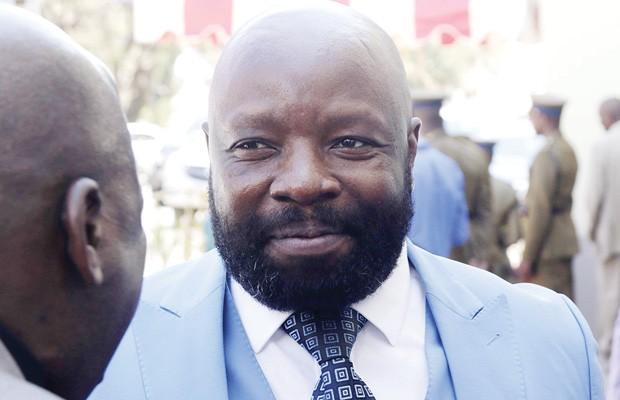
CONVICTED rapist Munyaradzi Kereke has lodged a complaint against Supreme Court judge of appeal George Mutandwa Chiweshe, accusing him of misconduct, including allegedly having relationships with two of his wives while he was serving a 10-year prison sentence.
The complaint has triggered disciplinary proceedings by the Judicial Service Commission (JSC), with Chiweshe now seeking an urgent High Court order to stop a disciplinary hearing scheduled for tomorrow.
Kereke was convicted of raping his 14-year-old niece and sentenced to 10 years in prison. Chiweshe, sitting on a three-member Supreme Court bench with Justices Samuel Kudya and Tendai Uchena, was part of the panel that dismissed Kereke's appeal against his conviction and sentence on May 31, 2024.
Kereke completed his sentence on January 8, 2026.
In an urgent chamber application filed on September 4, Chiweshe is challenging the scope of the disciplinary proceedings, arguing that the investigating committee has expanded the allegations beyond those originally referred by Chief Justice Elizabeth Gwaunza.
He is seeking an order staying the entire disciplinary process pending determination of a separate review application.
The JSC is cited as the first respondent, while Justice Anne Mary Gowora, who chairs the disciplinary committee, is cited in her official capacity as the second respondent.
The disciplinary proceedings arose from a complaint filed by Kereke in June. On July 30, Gwaunza informed Gowora that, after considering Kereke's complaint and Chiweshe's response, she was of the view that the alleged conduct may have breached section 7(1) of the Judicial Service (Code of Ethics) Regulations, 2012.
The original terms of reference were limited to allegations that, while Kereke's criminal appeal was pending before the Supreme Court, Chiweshe maintained private contact with Kereke or his associates and engaged in financial or business dealings with them.
The investigation initially covered four issues - a motor vehicle transaction, requests for or receipt of money, provision of company documents and discussions concerning a gold-mining interest.
The committee was initially made up of Gowora, Justice Benjamin Hlatshwayo and Justice Faith Mushure, before being reconstituted on August 4, with Justice Bharat Patel replacing Mushure. Gwaunza said the terms of reference remained unchanged.
However, Kereke's 10-page complaint, dated June 18 and addressed to both President Emmerson Mnangagwa and the Chief Justice, contains additional and more serious allegations against Chiweshe and his fellow appeal judges.
Kereke alleges that Chiweshe told him that the three judges had concluded that his conviction was wrongful, but allegedly demanded money and other benefits in return for helping him.
He claims that in 2022 Chiweshe sent a driver to deliver an old Mercedes-Benz to his Glen Lorne home with instructions to sell it and hand over US$25,000.
Kereke alleges that the vehicle was eventually sold for US$24,000 in instalments, with the money allegedly passed on to Chiweshe.
He further alleges that he later handed Chiweshe another US$4,000 in cash during meetings arranged at Highland Park Shopping Centre.
Kereke also claims that Chiweshe subsequently demanded that a gold mine be registered in a special-purpose company and that US$20,000 be paid to each of the three appeal judges.
His complaint includes company registration documents for Flickstone Investments (Private) Limited, which he alleges Chiweshe handed to him as the intended vehicle for the mining venture.
Kereke further accuses Chiweshe of interfering in his personal affairs while he was in prison, alleging that the judge repeatedly summoned two of his wives, Patience Taruvinga Muswapadare and Isabel Chirapura, to his offices.
He claims the alleged relationships contributed to the breakdown of his marriage and strained his relationship with his second wife.
Kereke also alleges that Chiweshe, during his tenure as Judge President of the High Court, caused his passport to be removed from his home and held at the High Court without a court order.
The complaint further raises separate allegations concerning the handling of Kereke's bail application and an alleged delay in delivering a High Court appeal judgment.
However, none of the allegations has been tested in court.
Chiweshe's response, contained in his court papers, is not a blanket denial. He acknowledges the existence of a 2022 vehicle sale, discussions concerning a possible gold claim and company documents, but denies bribery, extortion, corrupt intent or conspiracy.
He does not, in the papers reviewed, substantively respond to the allegations concerning Kereke's passport or wives.
Instead, Chiweshe is challenging the legality and scope of the disciplinary process, arguing that the committee cannot investigate allegations that were not included in the Chief Justice's original referral.
According to Chiweshe's court papers, the disciplinary committee served him on August 26 with a notice containing six allegations and a 166-page record.
The new notice added the passport and wives allegations and expanded the period under investigation beyond the time when Kereke's Supreme Court appeal was pending.
Chiweshe argues that the additional allegations are not simply further particulars of the original complaint, but constitute new and independent ethical allegations.
His lawyers, Mutumbwa, Mugabe & Partners, also argue that the seven days given to him to respond - effectively five working days - was insufficient to prepare a response to the extensive record, particularly given that some allegations date back more than a decade.
On September 1, Advocate Lewis Uriri wrote to the committee requesting an extension to October 2, or 21 days from the date full particulars were provided, and asked that the September 9 hearing be postponed.
The JSC secretariat responded the following day, saying the hearing was intended primarily to address preliminary and procedural matters, including timelines and the applicable rules.
It said the request for an extension would be considered at the hearing and maintained that Chiweshe was required to attend.
Chiweshe argues that the response neither granted nor refused the extension and did not provide the additional particulars requested.
He says proceeding with the hearing without first resolving those issues could cause irreparable procedural prejudice.
The judge maintains that he is not seeking immunity from disciplinary accountability, but wants the High Court to determine whether the committee is acting within its lawful mandate and whether he has been afforded a reasonable opportunity to respond.
The matter is pending before the High Court.
The complaint has triggered disciplinary proceedings by the Judicial Service Commission (JSC), with Chiweshe now seeking an urgent High Court order to stop a disciplinary hearing scheduled for tomorrow.
Kereke was convicted of raping his 14-year-old niece and sentenced to 10 years in prison. Chiweshe, sitting on a three-member Supreme Court bench with Justices Samuel Kudya and Tendai Uchena, was part of the panel that dismissed Kereke's appeal against his conviction and sentence on May 31, 2024.
Kereke completed his sentence on January 8, 2026.
In an urgent chamber application filed on September 4, Chiweshe is challenging the scope of the disciplinary proceedings, arguing that the investigating committee has expanded the allegations beyond those originally referred by Chief Justice Elizabeth Gwaunza.
He is seeking an order staying the entire disciplinary process pending determination of a separate review application.
The JSC is cited as the first respondent, while Justice Anne Mary Gowora, who chairs the disciplinary committee, is cited in her official capacity as the second respondent.
The disciplinary proceedings arose from a complaint filed by Kereke in June. On July 30, Gwaunza informed Gowora that, after considering Kereke's complaint and Chiweshe's response, she was of the view that the alleged conduct may have breached section 7(1) of the Judicial Service (Code of Ethics) Regulations, 2012.
The original terms of reference were limited to allegations that, while Kereke's criminal appeal was pending before the Supreme Court, Chiweshe maintained private contact with Kereke or his associates and engaged in financial or business dealings with them.
The investigation initially covered four issues - a motor vehicle transaction, requests for or receipt of money, provision of company documents and discussions concerning a gold-mining interest.
The committee was initially made up of Gowora, Justice Benjamin Hlatshwayo and Justice Faith Mushure, before being reconstituted on August 4, with Justice Bharat Patel replacing Mushure. Gwaunza said the terms of reference remained unchanged.
However, Kereke's 10-page complaint, dated June 18 and addressed to both President Emmerson Mnangagwa and the Chief Justice, contains additional and more serious allegations against Chiweshe and his fellow appeal judges.
Kereke alleges that Chiweshe told him that the three judges had concluded that his conviction was wrongful, but allegedly demanded money and other benefits in return for helping him.
He claims that in 2022 Chiweshe sent a driver to deliver an old Mercedes-Benz to his Glen Lorne home with instructions to sell it and hand over US$25,000.
Kereke alleges that the vehicle was eventually sold for US$24,000 in instalments, with the money allegedly passed on to Chiweshe.
He further alleges that he later handed Chiweshe another US$4,000 in cash during meetings arranged at Highland Park Shopping Centre.
Kereke also claims that Chiweshe subsequently demanded that a gold mine be registered in a special-purpose company and that US$20,000 be paid to each of the three appeal judges.
His complaint includes company registration documents for Flickstone Investments (Private) Limited, which he alleges Chiweshe handed to him as the intended vehicle for the mining venture.
He claims the alleged relationships contributed to the breakdown of his marriage and strained his relationship with his second wife.
Kereke also alleges that Chiweshe, during his tenure as Judge President of the High Court, caused his passport to be removed from his home and held at the High Court without a court order.
The complaint further raises separate allegations concerning the handling of Kereke's bail application and an alleged delay in delivering a High Court appeal judgment.
However, none of the allegations has been tested in court.
Chiweshe's response, contained in his court papers, is not a blanket denial. He acknowledges the existence of a 2022 vehicle sale, discussions concerning a possible gold claim and company documents, but denies bribery, extortion, corrupt intent or conspiracy.
He does not, in the papers reviewed, substantively respond to the allegations concerning Kereke's passport or wives.
Instead, Chiweshe is challenging the legality and scope of the disciplinary process, arguing that the committee cannot investigate allegations that were not included in the Chief Justice's original referral.
According to Chiweshe's court papers, the disciplinary committee served him on August 26 with a notice containing six allegations and a 166-page record.
The new notice added the passport and wives allegations and expanded the period under investigation beyond the time when Kereke's Supreme Court appeal was pending.
Chiweshe argues that the additional allegations are not simply further particulars of the original complaint, but constitute new and independent ethical allegations.
His lawyers, Mutumbwa, Mugabe & Partners, also argue that the seven days given to him to respond - effectively five working days - was insufficient to prepare a response to the extensive record, particularly given that some allegations date back more than a decade.
On September 1, Advocate Lewis Uriri wrote to the committee requesting an extension to October 2, or 21 days from the date full particulars were provided, and asked that the September 9 hearing be postponed.
The JSC secretariat responded the following day, saying the hearing was intended primarily to address preliminary and procedural matters, including timelines and the applicable rules.
It said the request for an extension would be considered at the hearing and maintained that Chiweshe was required to attend.
Chiweshe argues that the response neither granted nor refused the extension and did not provide the additional particulars requested.
He says proceeding with the hearing without first resolving those issues could cause irreparable procedural prejudice.
The judge maintains that he is not seeking immunity from disciplinary accountability, but wants the High Court to determine whether the committee is acting within its lawful mandate and whether he has been afforded a reasonable opportunity to respond.
The matter is pending before the High Court.
Source - zimlive
Join the discussion
Loading comments…



