News / National
Docket disappears as Bulawayo24 journalist Gideon Madzikatidze’s bid against further remand collapses
22 Sep 2026 at 04:43hrs |
1088 Views
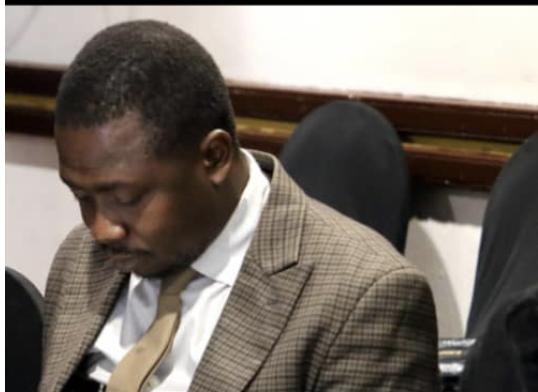
HARARE — The ruling on an application for refusal of further remand filed by Bulawayo24.com journalist Gideon Madzikatidze failed to proceed on Friday, after the court was told that his docket could not be located — further prolonging a case increasingly viewed as a stark symbol of Zimbabwe’s shrinking space for press freedom.
Madzikatidze, who has been on remand for months, appeared before the Harare Magistrates Court expecting a determination on his application challenging continued remand without trial. Magistrates were unable to make a ruling after prosecutors and registry officials failed to produce the docket. His lawyer argued that the State’s continued failure to provide trial dates while keeping the journalist on remand amounts to punishment without conviction.
Madzikatidze was arrested on 18 February 2026 following a series of investigative stories published by Bulawayo24News interrogating the controversial Geo Pomona waste‑management deal, a US$344 million project run by Geo Pomona Waste Management (Pvt) Ltd, led by Delish Nguwaya. The project, involving Harare City Council and presented as a flagship waste‑to‑energy initiative under the Second Republic, has faced intense scrutiny over its cost, procurement process and sustainability.
According to charge sheets reviewed by media‑rights groups, Madzikatidze faces two charges: contravening Section 7(1) as read with subsection 4(b) of the Broadcasting Services Act [Chapter 12:06] for allegedly providing a broadcasting service without a licence through the Bulawayo24 website, and cyber‑bullying under Section 164B of the Criminal Law (Codification and Reform) Act [Chapter 9:23]. The State alleges that between 15 and 16 December 2025, he published a data message claiming Geo Pomona leadership bribed journalists and editors to evade scrutiny.
What followed was a gruelling pre‑trial detention. Madzikatidze spent 91 days in remand prison. His bail was denied three times at the Magistrates Court, with the State insisting he was a flight risk. He was finally granted bail on his fourth attempt — before High Court Judge Justice Rodgers Manyangadze on 15 May 2026 — after the State again failed to provide a trial date. Bail conditions included a US$500 deposit, surrender of passport and non‑interference with witnesses. Since his release, he has remained on remand, reporting to police and appearing in court without the State commencing trial.
Media‑rights organisations say the case exposes the hostile environment in which journalists operate in Zimbabwe. The Committee to Protect Journalists (CPJ) welcomed his release from the 91‑day detention but called on authorities to drop all charges, arguing that the case represents an abuse of laws to target legitimate journalism. CPJ Africa Director Angela Quintal said: “Zimbabwean authorities should not use licensing regulations or cybercrime provisions to censor or criminalize legitimate journalism… Authorities should free Gideon Madzikatidze, drop all charges against him, and allow journalists to work without fear of arrest.” CPJ also questioned the use of broadcasting legislation, noting the story was published online rather than on radio or television.
The Media Institute of Southern Africa (MISA) Zimbabwe chapter has listed the matter as a media violation, naming the Zimbabwe Republic Police and State actors as perpetrators. MISA has been providing legal and emergency support and continues to remind journalists that its 24/7 SOS hotline is available for those injured, detained or arrested while on duty.
Broader solidarity statements from Amnesty International and other media bodies have condemned the pattern of arresting and detaining journalists for reporting on corruption and public‑interest matters. Amnesty has previously warned that prolonged pre‑trial detention and misuse of cyber laws to silence critical reporting violate Section 61 of the Constitution, which guarantees freedom of expression and media freedom.
The case raises critical questions about how political elites and corporates linked to political elites may be using influence to silence and intimidate journalists. Reporters covering corruption, procurement and elite‑linked businesses say they face manipulation, threats, surveillance and strategic lawsuits. Human‑rights defenders argue the tactic is deliberate — prolonged remand without trial cripples a journalist financially, psychologically and professionally, even without conviction, and is designed to instil fear across newsrooms.
The matter has been rolled over to next week, with the court directing the State to locate the missing docket.
This update contributes to wider discussions around press‑freedom risks and criminalisation of journalism.
Madzikatidze, who has been on remand for months, appeared before the Harare Magistrates Court expecting a determination on his application challenging continued remand without trial. Magistrates were unable to make a ruling after prosecutors and registry officials failed to produce the docket. His lawyer argued that the State’s continued failure to provide trial dates while keeping the journalist on remand amounts to punishment without conviction.
Madzikatidze was arrested on 18 February 2026 following a series of investigative stories published by Bulawayo24News interrogating the controversial Geo Pomona waste‑management deal, a US$344 million project run by Geo Pomona Waste Management (Pvt) Ltd, led by Delish Nguwaya. The project, involving Harare City Council and presented as a flagship waste‑to‑energy initiative under the Second Republic, has faced intense scrutiny over its cost, procurement process and sustainability.
According to charge sheets reviewed by media‑rights groups, Madzikatidze faces two charges: contravening Section 7(1) as read with subsection 4(b) of the Broadcasting Services Act [Chapter 12:06] for allegedly providing a broadcasting service without a licence through the Bulawayo24 website, and cyber‑bullying under Section 164B of the Criminal Law (Codification and Reform) Act [Chapter 9:23]. The State alleges that between 15 and 16 December 2025, he published a data message claiming Geo Pomona leadership bribed journalists and editors to evade scrutiny.
What followed was a gruelling pre‑trial detention. Madzikatidze spent 91 days in remand prison. His bail was denied three times at the Magistrates Court, with the State insisting he was a flight risk. He was finally granted bail on his fourth attempt — before High Court Judge Justice Rodgers Manyangadze on 15 May 2026 — after the State again failed to provide a trial date. Bail conditions included a US$500 deposit, surrender of passport and non‑interference with witnesses. Since his release, he has remained on remand, reporting to police and appearing in court without the State commencing trial.
The Media Institute of Southern Africa (MISA) Zimbabwe chapter has listed the matter as a media violation, naming the Zimbabwe Republic Police and State actors as perpetrators. MISA has been providing legal and emergency support and continues to remind journalists that its 24/7 SOS hotline is available for those injured, detained or arrested while on duty.
Broader solidarity statements from Amnesty International and other media bodies have condemned the pattern of arresting and detaining journalists for reporting on corruption and public‑interest matters. Amnesty has previously warned that prolonged pre‑trial detention and misuse of cyber laws to silence critical reporting violate Section 61 of the Constitution, which guarantees freedom of expression and media freedom.
The case raises critical questions about how political elites and corporates linked to political elites may be using influence to silence and intimidate journalists. Reporters covering corruption, procurement and elite‑linked businesses say they face manipulation, threats, surveillance and strategic lawsuits. Human‑rights defenders argue the tactic is deliberate — prolonged remand without trial cripples a journalist financially, psychologically and professionally, even without conviction, and is designed to instil fear across newsrooms.
The matter has been rolled over to next week, with the court directing the State to locate the missing docket.
This update contributes to wider discussions around press‑freedom risks and criminalisation of journalism.
Source - Byo24News
Join the discussion
Loading comments…


