Opinion / Columnist
Who says men are the worst perpetrators of gender-based and domestic violence?
06 Dec 2025 at 10:53hrs |
0 Views
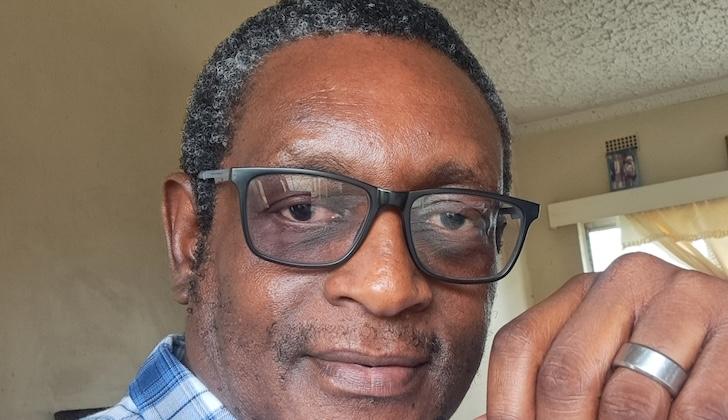
I believe in speaking the truth, no matter how uncomfortable it may be for some, because honesty is the only way to confront emotive issues.
For decades, the discourse around gender-based violence and domestic abuse has been framed in starkly binary terms: men as perpetrators, women as victims.
To directly receive articles from Tendai Ruben Mbofana, please join his WhatsApp Channel on: https://whatsapp.com/channel/0029VaqprWCIyPtRnKpkHe08
On the surface, this narrative appears unassailable, especially when one considers the statistics on physical and sexual violence.
The vast majority of reported cases do, in fact, show women suffering at the hands of men.
Yet, if we pause to look beyond the numbers and interrogate the assumptions underlying them, a more complex picture emerges—one that challenges the prevailing orthodoxy and forces us to confront uncomfortable truths.
The first problem lies in the data itself.
Most statistics on gender-based violence and domestic abuse are based on reported cases, and reporting is inherently influenced by societal norms, stigma, and fear.
Men and boys, particularly those who have experienced sexual or physical abuse, are far less likely to come forward.
I speak from personal experience: I was sexually abused as a seven-year-old, yet I did not report it.
Fear of stigma, of being seen as weak, and of getting the perpetrator into trouble—all contributed to my silence.
The shame associated with being violated by a woman can be overwhelming; admitting to it may be seen as a sign of weakness, an erosion of masculinity, or even a betrayal of societal expectations.
Many men endure abuse silently, particularly when the perpetrator is a woman, either because they were socialized never to strike a woman or because they fear legal repercussions should they retaliate.
In some instances, men who are physically stronger than their female partners may choose not to resist being slapped, punched, or pushed, simply to avoid escalation or legal consequences.
Yet, the woman's behaviour continues unabated, emboldened by the certainty that the man will not fight back or report the abuse.
Can we honestly deny that these men are victims?
And if so many remain silent, does this not mean that the number of abused men is significantly undercounted?
The underreporting of male victimhood is compounded when one considers emotional and psychological abuse.
While both men and women can be victims of these forms of violence, men are often uniquely vulnerable because societal norms rarely afford them empathy or protection in these situations.
A man may be ridiculed for failing to provide for his family, humiliated for perceived inadequacies in sexual performance, or taunted with phrases such as "hausi murume iwe" (you are not a real man).
Women may withhold sexual access as a form of punishment for perceived failures or simply to assert control.
These are not trivial matters; emotional abuse corrodes confidence, mental health, and relationships, yet it rarely registers in official statistics or public discourse because men are expected to endure it silently.
Physical violence against children, too, often complicates the simple narrative of male perpetrators and female victims.
Numerous cases, particularly in Zimbabwe, highlight that children can suffer severe abuse at the hands of women, including biological mothers and stepmothers.
Viral videos and reports have captured instances of savage beatings, neglect, and abandonment, with some stepmothers acting violently to curry favor with new partners.
There are even extreme cases of mothers harming or killing their own children.
While domestic violence research tends to focus on men's violence against women, it must be acknowledged that women can also perpetrate abuse with devastating consequences, leaving children as powerless victims caught in the crossfire of adult relationships.
Some argue that even abortion should be considered a form of domestic violence, or at least a question of rights, given that the fetus represents a developing human life with its own DNA, distinct from the mother.
While this is a deeply complex and ethically charged issue, it underscores that violence and abuse are not always about interpersonal conflicts between adults; they can also involve the violation of the vulnerable by those in positions of power, including within the family.
All these examples highlight a fundamental flaw in the common claim that "women are disproportionately affected" by gender-based or domestic violence.
This assertion, though widely cited, rests on incomplete, biased, and sometimes unverifiable data.
It fails to account for the silent suffering of men and boys, the underreported abuse by women, and the many forms of violence that transcend physical or sexual harm.
To make sweeping conclusions about which gender suffers more is not only misleading but counterproductive.
It risks creating a hierarchy of victimhood, where the experiences of one group are amplified while those of another are ignored or dismissed.
If our ultimate goal is to end gender-based and domestic violence, then we must adopt a more holistic and honest approach.
We cannot afford to protect one gender at the expense of the other, nor can we allow societal narratives to obscure the suffering of male victims.
True progress requires acknowledging that violence and abuse are not about "us versus them" but about human rights, dignity, and safety for all.
Men can be victims.
Women can be perpetrators.
Children can be caught in the crossfire.
Emotional abuse, economic manipulation, and neglect can be as devastating as physical assault.
Any credible effort to tackle domestic and gender-based violence must address all these dimensions.
The conversation must shift from who is more victimized to how we can systematically prevent abuse, provide support for survivors, and hold perpetrators accountable regardless of gender.
This requires creating safe reporting mechanisms for men, destigmatizing male victimhood, addressing emotional and psychological abuse, and challenging the cultural and social norms that perpetuate silence and complicity.
Only then can we begin to construct a society where violence, in any form and against any person, is not tolerated.
We must be honest: the data we have is imperfect, the narratives we hear are incomplete, and the assumptions we take for granted are often flawed.
Men are not always the worst perpetrators of domestic or gender-based violence, and women are not always the only victims.
To claim otherwise without acknowledging the nuance is to perpetuate a partial truth that ultimately serves no one.
The fight against abuse must be inclusive, evidence-based, and above all, committed to protecting all victims.
Only by doing this can we hope to address the scourge of domestic and gender-based violence in a way that is both just and effective.
© Tendai Ruben Mbofana is a social justice advocate and writer. Please feel free to WhatsApp or Call: +263715667700 | +263782283975, or email: mbofana.tendairuben73@gmail.com, or visit website: https://mbofanatendairuben.news.blog/
For decades, the discourse around gender-based violence and domestic abuse has been framed in starkly binary terms: men as perpetrators, women as victims.
To directly receive articles from Tendai Ruben Mbofana, please join his WhatsApp Channel on: https://whatsapp.com/channel/0029VaqprWCIyPtRnKpkHe08
On the surface, this narrative appears unassailable, especially when one considers the statistics on physical and sexual violence.
The vast majority of reported cases do, in fact, show women suffering at the hands of men.
Yet, if we pause to look beyond the numbers and interrogate the assumptions underlying them, a more complex picture emerges—one that challenges the prevailing orthodoxy and forces us to confront uncomfortable truths.
The first problem lies in the data itself.
Most statistics on gender-based violence and domestic abuse are based on reported cases, and reporting is inherently influenced by societal norms, stigma, and fear.
Men and boys, particularly those who have experienced sexual or physical abuse, are far less likely to come forward.
I speak from personal experience: I was sexually abused as a seven-year-old, yet I did not report it.
Fear of stigma, of being seen as weak, and of getting the perpetrator into trouble—all contributed to my silence.
The shame associated with being violated by a woman can be overwhelming; admitting to it may be seen as a sign of weakness, an erosion of masculinity, or even a betrayal of societal expectations.
Many men endure abuse silently, particularly when the perpetrator is a woman, either because they were socialized never to strike a woman or because they fear legal repercussions should they retaliate.
In some instances, men who are physically stronger than their female partners may choose not to resist being slapped, punched, or pushed, simply to avoid escalation or legal consequences.
Yet, the woman's behaviour continues unabated, emboldened by the certainty that the man will not fight back or report the abuse.
Can we honestly deny that these men are victims?
And if so many remain silent, does this not mean that the number of abused men is significantly undercounted?
The underreporting of male victimhood is compounded when one considers emotional and psychological abuse.
While both men and women can be victims of these forms of violence, men are often uniquely vulnerable because societal norms rarely afford them empathy or protection in these situations.
A man may be ridiculed for failing to provide for his family, humiliated for perceived inadequacies in sexual performance, or taunted with phrases such as "hausi murume iwe" (you are not a real man).
Women may withhold sexual access as a form of punishment for perceived failures or simply to assert control.
These are not trivial matters; emotional abuse corrodes confidence, mental health, and relationships, yet it rarely registers in official statistics or public discourse because men are expected to endure it silently.
Physical violence against children, too, often complicates the simple narrative of male perpetrators and female victims.
Numerous cases, particularly in Zimbabwe, highlight that children can suffer severe abuse at the hands of women, including biological mothers and stepmothers.
Viral videos and reports have captured instances of savage beatings, neglect, and abandonment, with some stepmothers acting violently to curry favor with new partners.
While domestic violence research tends to focus on men's violence against women, it must be acknowledged that women can also perpetrate abuse with devastating consequences, leaving children as powerless victims caught in the crossfire of adult relationships.
Some argue that even abortion should be considered a form of domestic violence, or at least a question of rights, given that the fetus represents a developing human life with its own DNA, distinct from the mother.
While this is a deeply complex and ethically charged issue, it underscores that violence and abuse are not always about interpersonal conflicts between adults; they can also involve the violation of the vulnerable by those in positions of power, including within the family.
All these examples highlight a fundamental flaw in the common claim that "women are disproportionately affected" by gender-based or domestic violence.
This assertion, though widely cited, rests on incomplete, biased, and sometimes unverifiable data.
It fails to account for the silent suffering of men and boys, the underreported abuse by women, and the many forms of violence that transcend physical or sexual harm.
To make sweeping conclusions about which gender suffers more is not only misleading but counterproductive.
It risks creating a hierarchy of victimhood, where the experiences of one group are amplified while those of another are ignored or dismissed.
If our ultimate goal is to end gender-based and domestic violence, then we must adopt a more holistic and honest approach.
We cannot afford to protect one gender at the expense of the other, nor can we allow societal narratives to obscure the suffering of male victims.
True progress requires acknowledging that violence and abuse are not about "us versus them" but about human rights, dignity, and safety for all.
Men can be victims.
Women can be perpetrators.
Children can be caught in the crossfire.
Emotional abuse, economic manipulation, and neglect can be as devastating as physical assault.
Any credible effort to tackle domestic and gender-based violence must address all these dimensions.
The conversation must shift from who is more victimized to how we can systematically prevent abuse, provide support for survivors, and hold perpetrators accountable regardless of gender.
This requires creating safe reporting mechanisms for men, destigmatizing male victimhood, addressing emotional and psychological abuse, and challenging the cultural and social norms that perpetuate silence and complicity.
Only then can we begin to construct a society where violence, in any form and against any person, is not tolerated.
We must be honest: the data we have is imperfect, the narratives we hear are incomplete, and the assumptions we take for granted are often flawed.
Men are not always the worst perpetrators of domestic or gender-based violence, and women are not always the only victims.
To claim otherwise without acknowledging the nuance is to perpetuate a partial truth that ultimately serves no one.
The fight against abuse must be inclusive, evidence-based, and above all, committed to protecting all victims.
Only by doing this can we hope to address the scourge of domestic and gender-based violence in a way that is both just and effective.
© Tendai Ruben Mbofana is a social justice advocate and writer. Please feel free to WhatsApp or Call: +263715667700 | +263782283975, or email: mbofana.tendairuben73@gmail.com, or visit website: https://mbofanatendairuben.news.blog/
Source - Tendai Ruben Mbofana
All articles and letters published on Bulawayo24 have been independently written by members of Bulawayo24's community. The views of users published on Bulawayo24 are therefore their own and do not necessarily represent the views of Bulawayo24. Bulawayo24 editors also reserve the right to edit or delete any and all comments received.
Join the discussion
Loading comments…


